
Skoll Foundation


VillageReach

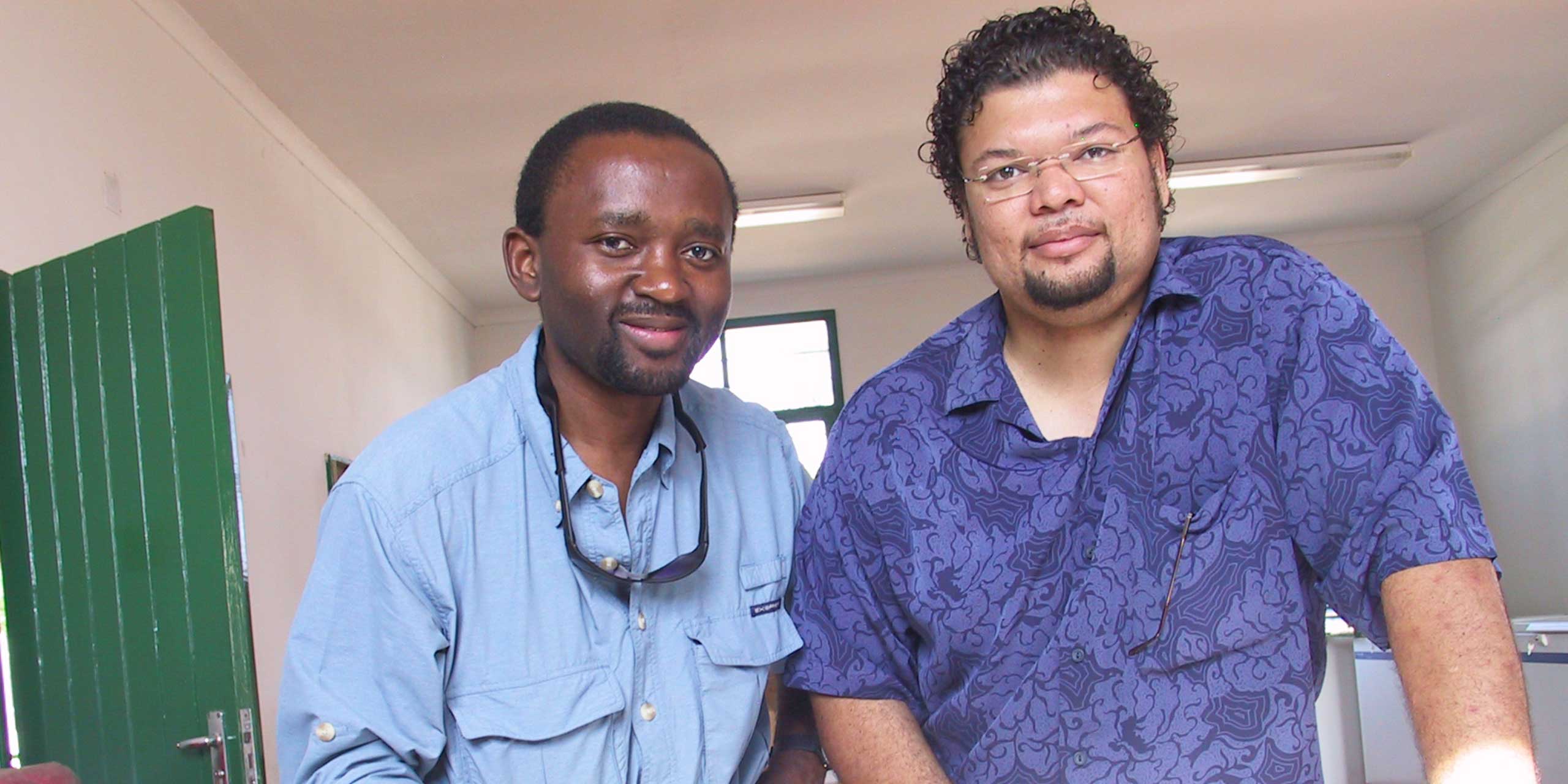
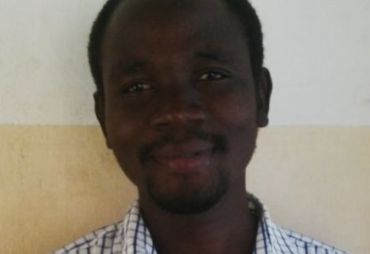
Skoll Entrepreneur(s): Blaise Judja-Sato
Change(s) Addressed: Health

(Click here to print)

DESCRIPTION:

Born in Cameroon, Blaise Judja-Sato was a successful U.S. businessman until a devastating flood in Mozambique prompted his return to Africa. While helping with relief efforts, he saw both the suffering of the rural poor and the frustration of nongovernmental organizations that could not get medicines across the “last mile” of remote country to those in need. Judja-Sato founded VillageReach (VR) because he recognized that the solution involved building a reliable “pipeline” infrastructure. He also realized that these last-mile barriers affected industries and others who might be willing to pay into a shared system that benefited everyone. Blaise remains on the board of VillageReach however, over the past few years, he has increasingly been dedicating resources to the development of innovative, scalable solutions to help: (1) raise awareness on the world’s most pressing challenges; and (2) enable donors, and the advisors and institutions serving them, to become more strategic and effective in reaching their philanthropic objectives. For more information, please contact him at bjsato@gmail.com

KEY ACCOMPLISHMENTS AS OF 2010

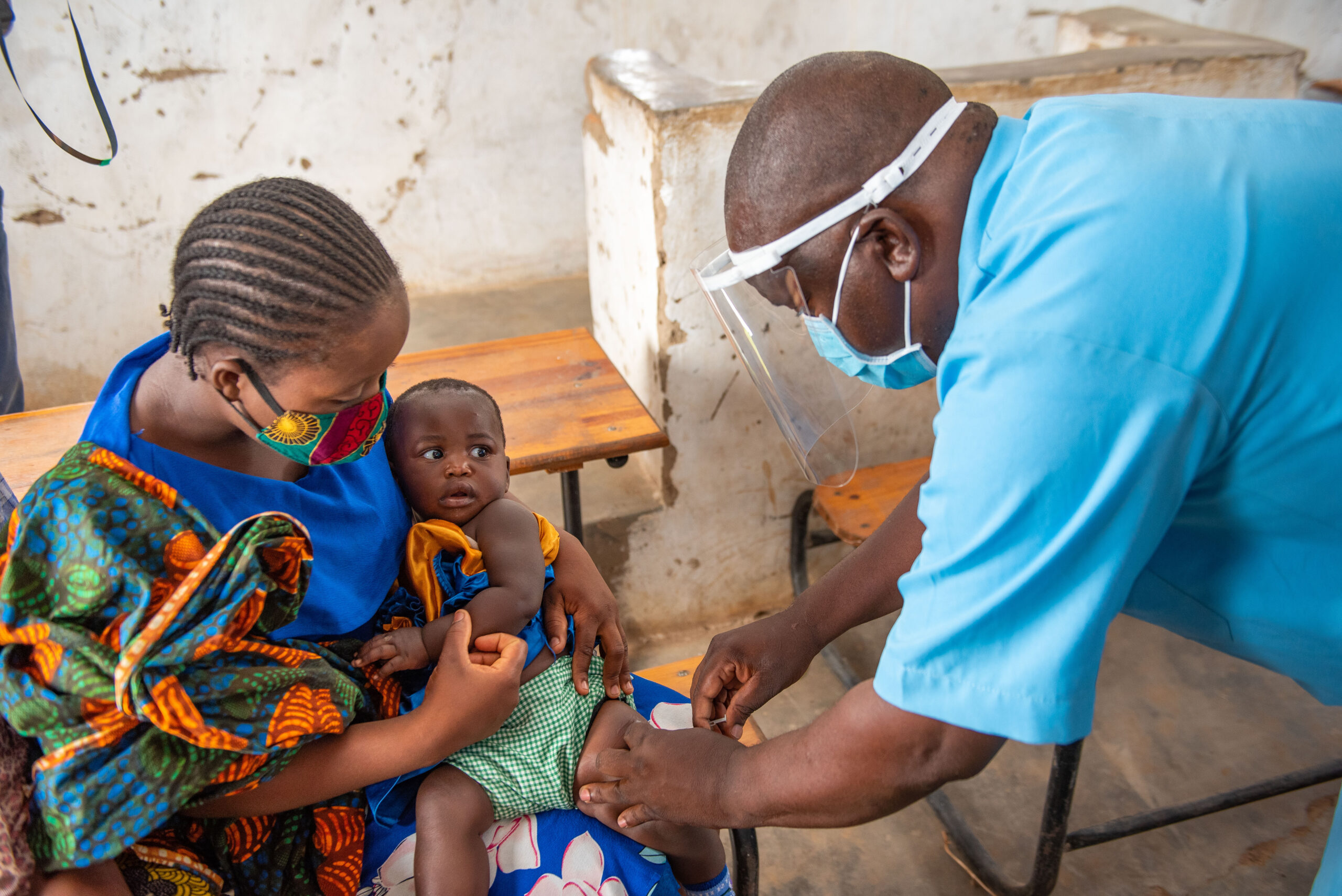
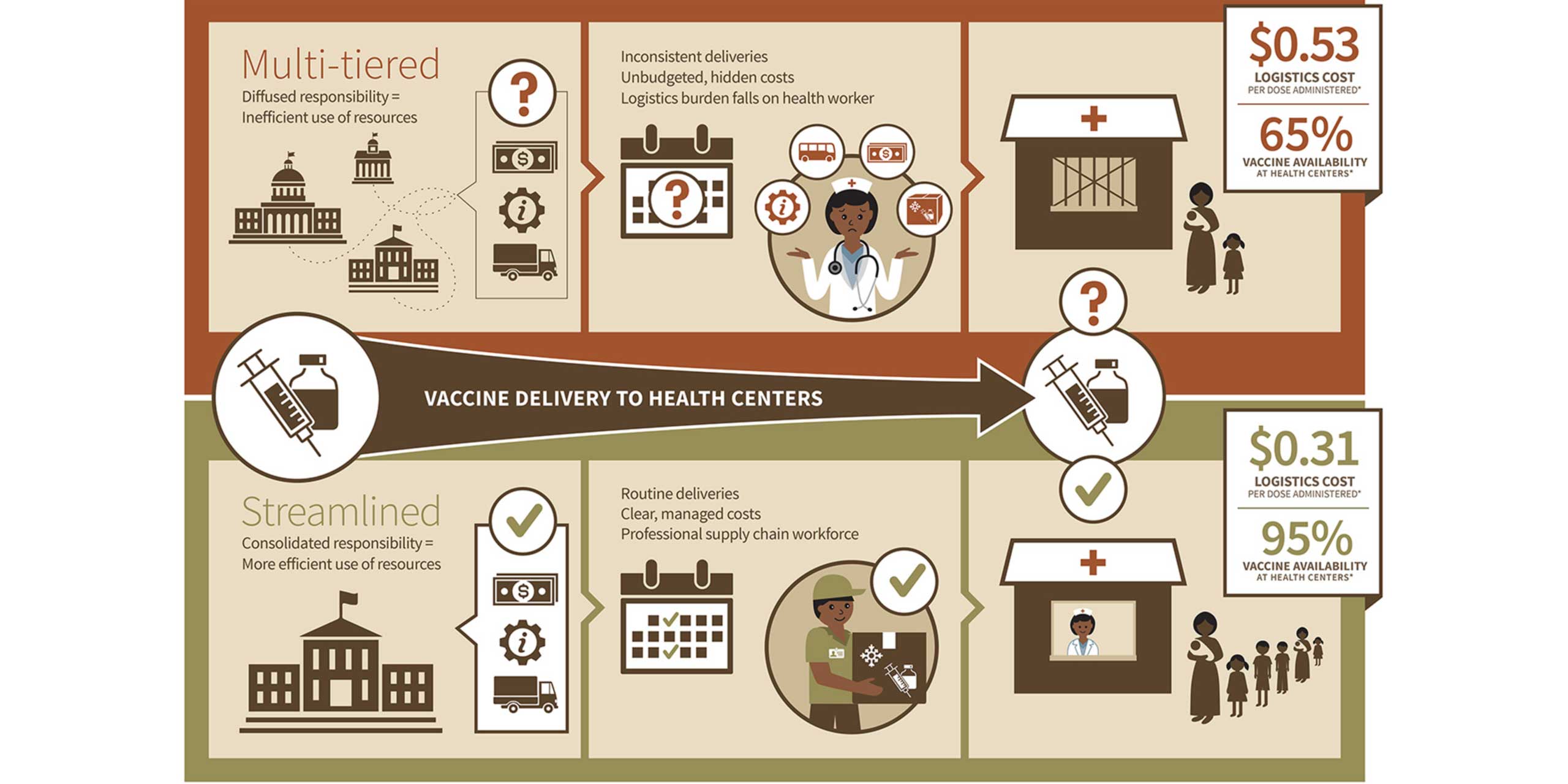
  • VillageReach increased immunization coverage rates for children under age 5 in northern Mozambique from 68% to over 95% with an innovative last-mile logistics system that costs the government less to operate than its previous system. The Mozambique Ministry of Health is now partnering with VR to implement the new system throughout the entire country.
  • VR developed and deployed a management information system as an open source, Web-based software application for use in connected and non-connected environments to support the last-mile logistics system.
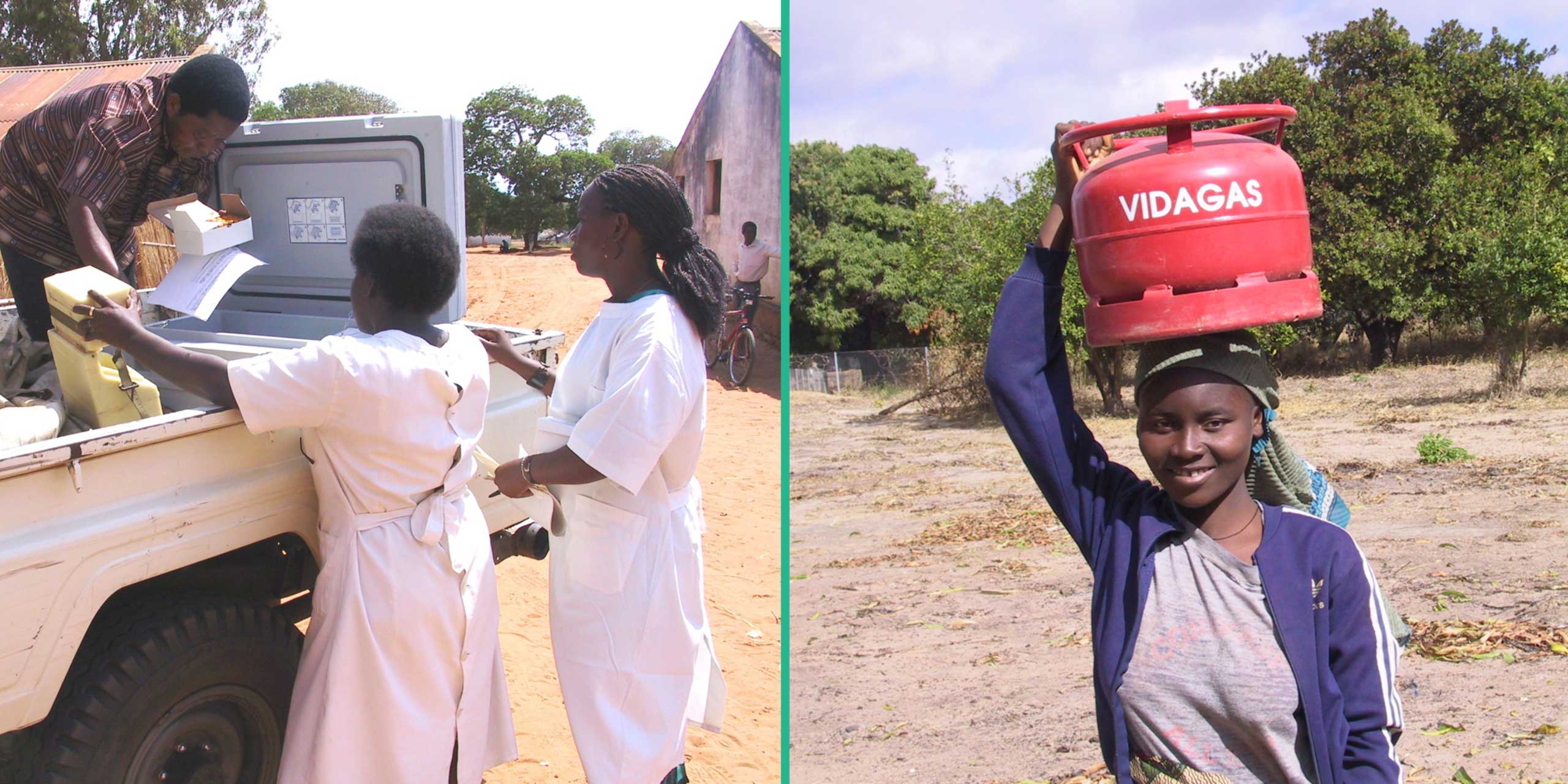
  • VR built its social business, VidaGas, into a profitable business as the largest propane distributor in northern Mozambique, which continues to support the health system as well as move the broader market away from wood and charcoal as energy sources.


SEE THEIR WORK IN ACTION:

Children are still dying because they happen to live in the wrong place and that's unacceptable.
It's very important that we find ways to reach children and mothers and families, wherever they are.

Mozambique is one of the poorest countries in the world.
You have children dying of preventable diseases like diphtheria, like polio, measles, like tetanus.
Diseases which in the developed world don't cause deaths at all.

It's not acceptable that a child in the western world would live longer than a child in a remote area and we can change that.


There is a cure available.
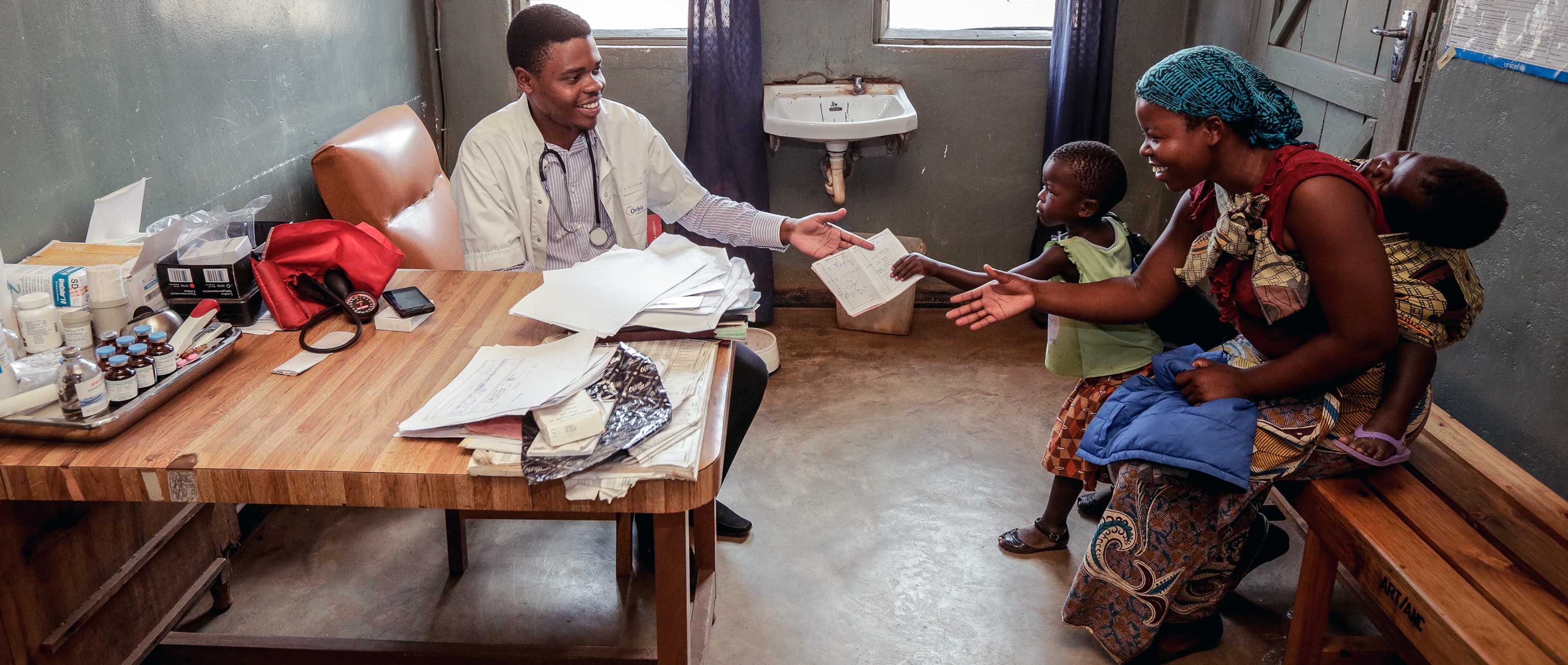
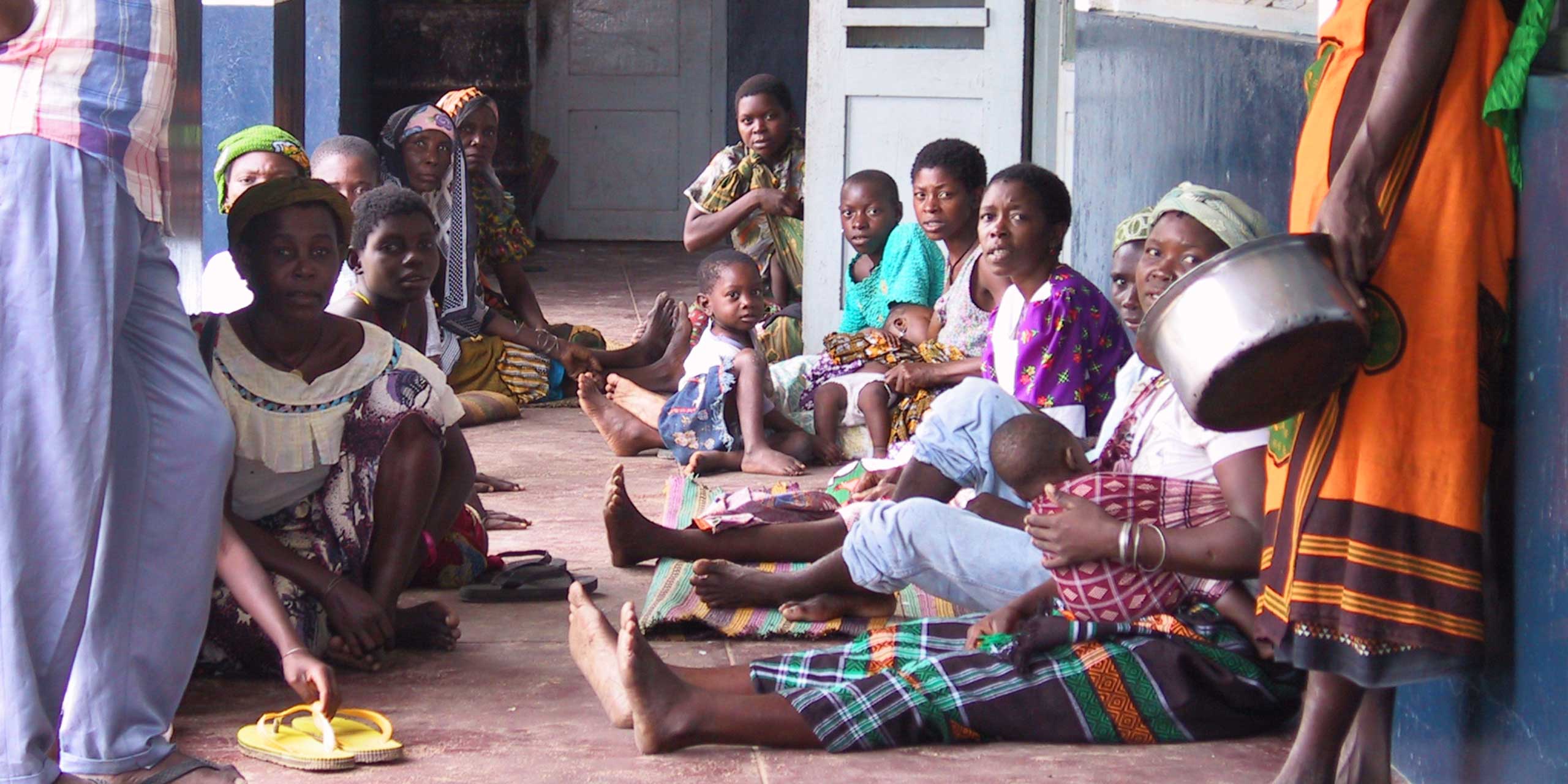
It is just the cure does not reach the population we're talking about, typically people who walk between 5 to 10 kilometers to get to the nearest clinic.


It's a long walk, yes.


But their children needs the vaccines, so they have to go.
There is no other way. Unfortunately, sometimes when they go to the clinic after walking five,ten or twenty kilometers, they go there and there is no vaccines at all.


They were since did not reached the streets, because the transport was broken or the vaccines was spoiled because the freezer was broken for two three and more days or because it was raining and there is allow passage to the other village.

When it rains in Mozambique, it rains really in Mozambique, its like a someone opened the sky and poured the water on top of your head .

And the infrastructure is not prepared to accommodate that much water, so usually the water stays on the street and becomes very difficult to drive around.

Typically, it will take about about three days to reach the most remote village. We have families that have to walk two or three hours to get to the clinics, and then be told that they have to come back the next day.

So if you do that a couple of times, you will give up on the system.

So my goal was to try to find a way to ensure that doesn't happen.

So, we selected the territory in Northern Mozambique where we try to design a system that would make sure that the kids, wherever they live will be reached by existing vaccines and medicine.

Cabo Delgado had lowest immunization coverage. It was the poorest province when we started in 2000.

And we decided that if we succeed in Cabo Delgado, we can succeed almost anywhere. So Village Reach works with the government and local partners to ensure that vaccines gets to the most remote areas of the country.

The vaccine is a temperature sensitive commodity so you have keep it within a very strict range and that requires a very rigorous refrigeration and transport system.

In Cabo Delgado they were using kerosene-powered refrigerators.
Those fridges were not very stable.

So we did a study. We looked around in Africa in other parts, and determined that the best fridges for the province was propane-powered.

The challenge we faced immediately was that there was no propane in the province.
So we had to set up a propane company.

Vidagas operates like any typical energy company.
It imports gas, then bottle it at its plant, and then distribute it to customers.
That include the ministry of heath for the clinics and we sell it to a commercial users and gradually we're setting up programs to facilitate adoption of propane by families.

Our program is not only a social program, it has a component of let me call it social entrepreneurship.

What innovative about VidaGas is that profit from VidaGas will be plowed back into our health system so that income can be reused to support and expand our health care system.

We needed a local partner, because we needed to really make sure that we understood what the challenges were.

VillageReach needed to have someone who was already very much involved with it local realities living in the terrain, working with the communities, and that was FDC, the foundation for community
development.

Having seen VillageReach coordinate with the Ministry of Health. To organize logistic system that takes the vaccines, but not only the vaccines but also the medicines and other medical equipment and the rest to the streets, and from the streets to the village.

It's not easy to reach the most remote areas of the world and that's why they haven't been reached.
We've done it and it's working in northern Mozambique. We're reaching now five million people in Cabo Delgado and Nampula.

We did not only concentrate in providing vaccines. We made sure that we create the best conditions for vaccines to be stored properly and to be protected from high temperatures because it was a very, very hot country.

When we arrived in Northern Mozambique, official statistics were like to 1 in 3 children were fully immunized, and after 5 years of operation, we brought that number up to 9 in 10 children being fully immunized.

As for really success in the sense that it builds trust in the public health system.
What we have proven in Northern Mozambique is that people are ready to take control of their life and to change their communities and change their life.

And if you work closely with individuals in communities you would be surprised by the level of latent energy and enthusiasm that you can unleash.

So it can be a model for Africa but, if we are to reach every child everywhere we need to concentrate on that one last mile and that's what we are doing.


© 2012 Skoll Foundation.