
Skoll Foundation


YouthBuild USA

Skoll Entrepreneur(s): Dorothy Stoneman
Focus Area(s) Addressed: Education and Economic Opportunity
Award Year: 2007

(Click here to print)

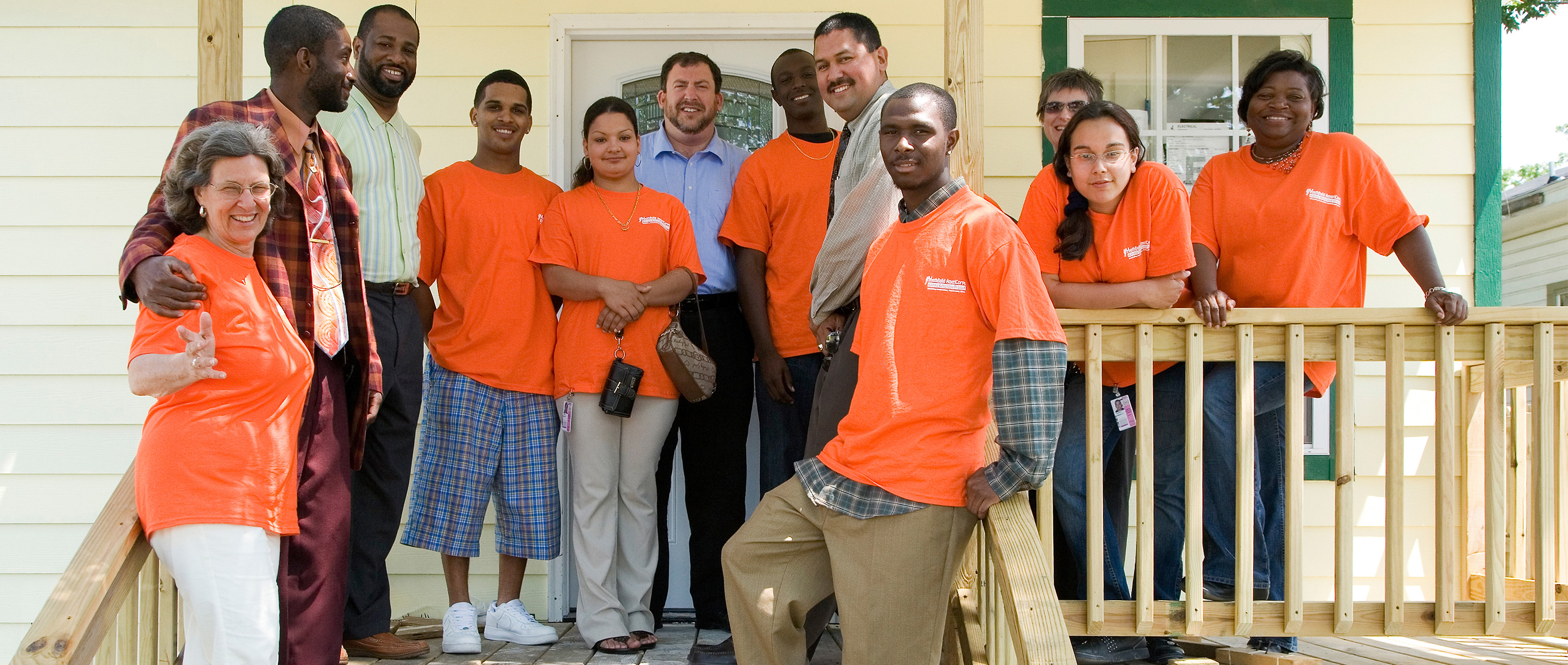
Dorothy Stoneman joined the civil rights movement after graduating from Harvard University in 1964. She lived in Harlem for more than 20 years. As an educator, she saw young men left behind, unemployed and sent to prison in large numbers. Living in the community, she saw boarded-up buildings and people without affordable, decent homes. She began YouthBuild to bring young people into productive engagement by constructing homes. She also led a movement to improve community conditions. First in Harlem, then throughout New York and nationwide with support from YouthBuild USA, the organization pioneered a program that reaches disconnected young adults — those with the most strikes against them, including those already engaged with the drug culture and criminal justice system. It offers them immediately productive roles in their communities, leadership training, education toward a diploma and skills that lead them to well-paying jobs.

IMPACT AS OF JAN. 2013:

  • Today, there are 273 YouthBuild programs in 46 states, Washington, DC., and the Virgin Islands engaging approximately 10,000 young adults per year.
  • They have produced 21,000 units of affordable housing while working toward their own high school diplomas and becoming community leaders.
  • Research on 800 graduates showed that 75 percent up to seven years after graduation were in college or employed with wages averaging $10 an hour.
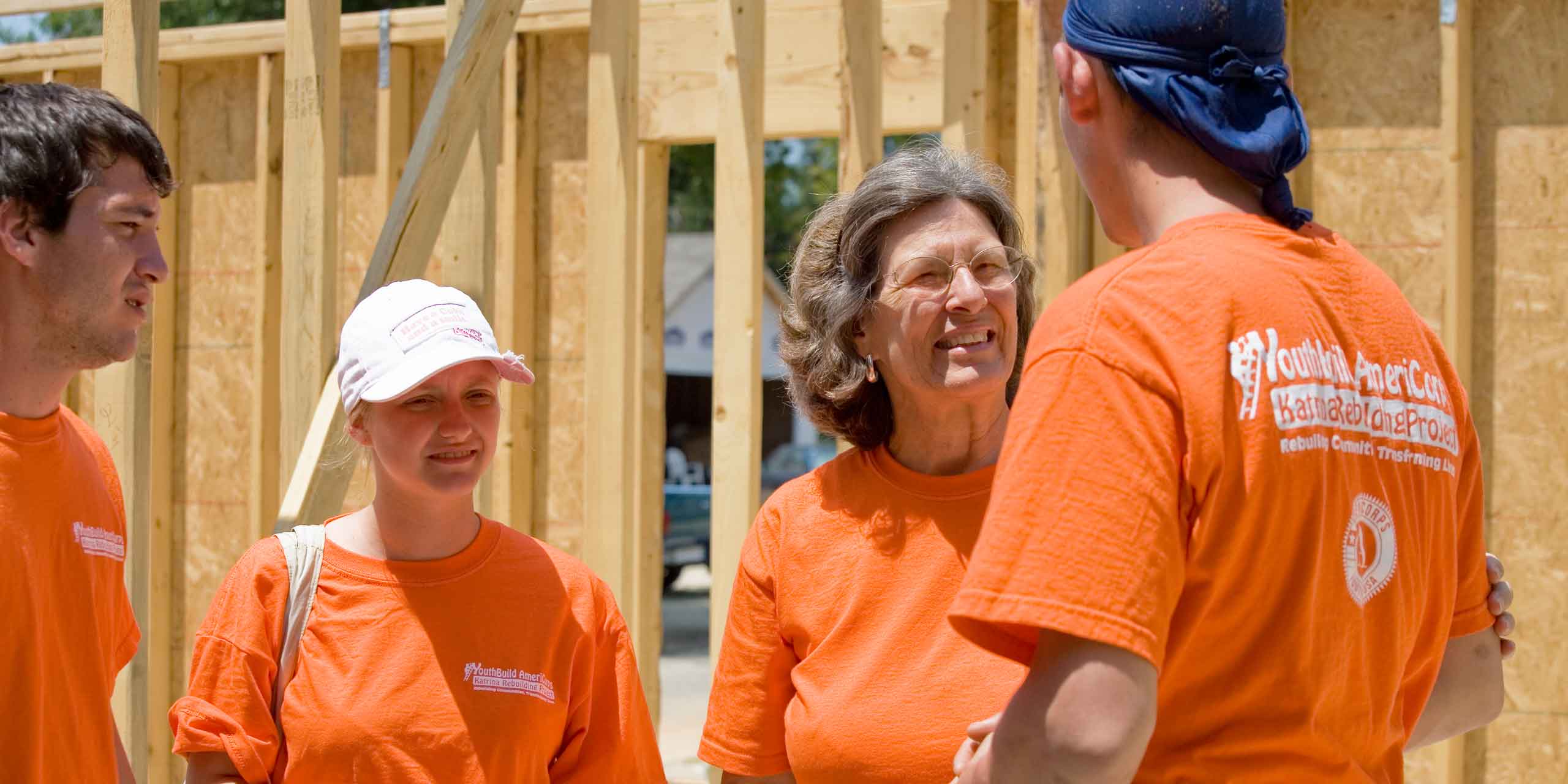
  • During Hurricane Sandy recovery, YouthBuild programs in New York worked with the Corporation for National and Community Service and Federal Emergency Management Agency, and sent  between 14 and 30 students and graduates a day, totaling 100 YouthBuild participants at a worksite in a single week.  The deployment began on December 17, 2012 and continued through January 21, 2013. YouthBuild AmeriCorps programs involved include Abyssinian Development Corporation YouthBuildYouthBuild SOBRO, and Youth Action YouthBuild. YouthBuild students, graduates, and staff were exclusively tasked in “mucking & gutting” that included deconstruction, and removing damaged walls and flooring.
  • In Jan. 2013, they announced the release of Creating Postsecondary Partnerships that Work: A Guide from YouthBuild USA. This comprehensive guide will help YouthBuild programs – and other community-based organizations and school districts – form and sustain partnerships with community colleges, technical colleges, apprenticeship programs, and four-year universities.
  • Demonstrated the principle that is now national policy that low-income youth should be included as service givers in American national service programs.
  • Spread YouthBuild to 12 other countries.


SEE THEIR WORK IN ACTION:

I got a big family with six sisters and four brothers.
And my mother's on drugs.
My father passed away.
I got raped in high school, my twelfth grade year, so I just stopped going.

I guess I was the black sheep, but my mother have a lot of kids, a lot, like I don't know how many.
I can't even count right now.
And my father was a drug addict, so it was, I guess it was hard for her to take care of all of us. And I just went on my own.

It's crazy.
Really , I can name like good, seven, eight boys I done grew up with that's dead now. It's hard out here. It's hard, very hard.

They're all poor, you know they're used to feeling marginalized.

Dejected, depressed, hopeless. Like nobody respects and nobody cares about them and there's no hope for them.

I walk into Youth Build and what we want them to feel right away is respect. You're important here.

All right. This exercise we are going to begin to test our trust in each other. All right. So I need all of my ones, if you have a blindfold in your hand.

The first Youth Build program was started in 1978 in East Harlem. We had 300 abandoned buildings in East Harlem where I lived. We had hundreds, maybe thousands of young people standing on the corners with nothing to do. And lots of homeless people.

So I looked at that and said there's something wrong with this picture. Someone should hire these young people to rebuild these buildings and create housing for the homeless people.

Right. So you have all of these young people who are hopeless. They're not gonna do anything different. They are who they are. They'll end up up in prison, drug attacks, or dead. To be able to turn that around is a powerful thing.

I met Robert thirteen years ago when he was in his first year in Youth Build, and you know he is a Youth Build graduate.
He's the first Youth Build graduate to be the executive director of a big Youth Build program like Newark.

The Youth Build experience prepared me to be a leader in my community.
Many young people today don't even realize that that is possible for them.

The mental toughness is like a way of almost shaking them out of their despair.

Its like, "Okay guys, too succeed you're going to have to snap out of it. You're gonna have to take charge of your life."

"
Down. Up, straighten you're back up."

"
Oh."

"Come on, what you doing?"
When we first started we had to go to this program.

We had to do exercise and run around the building I thought it was bull when we first start.

Because I want to do that, because I don't do exercise every day.

I don't exercise period.

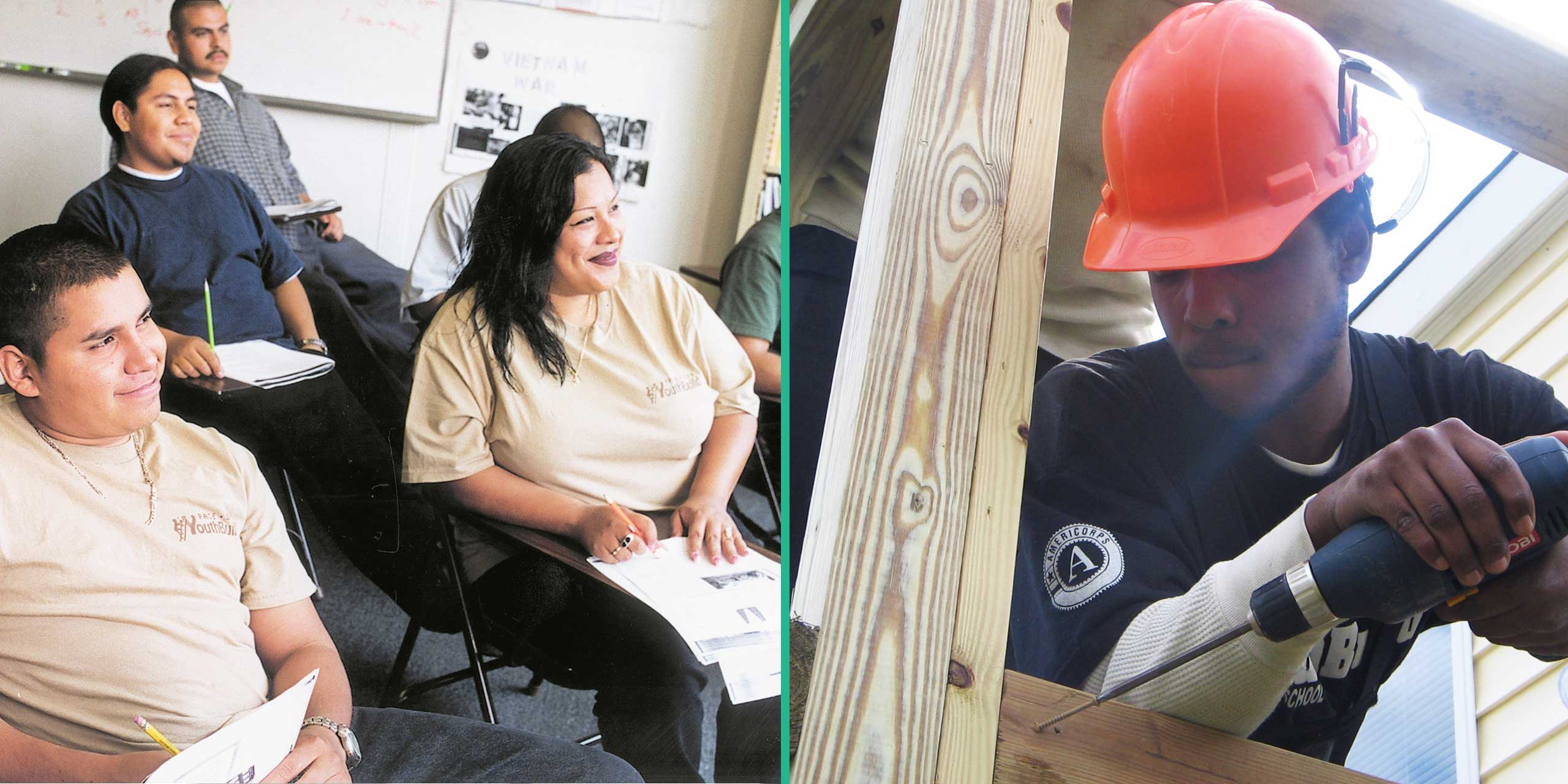
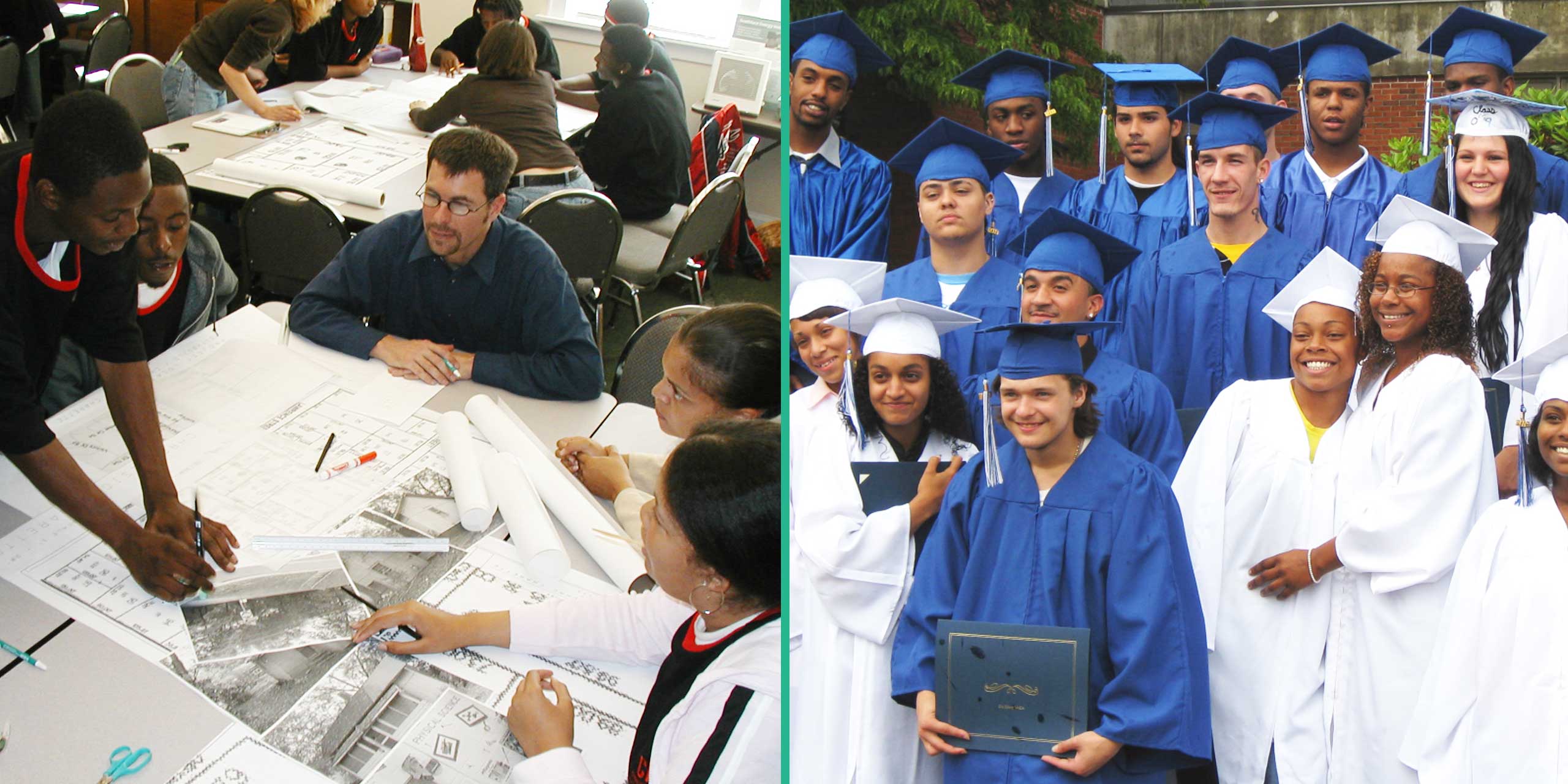
In the youth built program young people sign up full time for about a year and they spent half their time going to a youth built alternative school where they study for their high diploma.

With a GED.

I will sleep, I am sleeping.

I know how to read but I didn't know how to read.

Well, in my class wasn't laughing at me or nothing if I wasn't in the school they laughed at me, they ain't laugh at me at nothing like they help me.

Like when I got a word wrong, and now I know how to read and it's a miracle.

So that I mean I love you.
The other half of their time they spent Building housing for homeless and low income people.
It's all knit together with the community of people caring about each other.

Where they can see a path to a future.
Where they can make a difference.

People really try to get young people to understand is that its a series of small victories.
Getting through orientation they can get into the program , getting your uniform, earning your toolbelt.


It's a victory, something that you set out to do and you accomplish it one at a time.
When they start experience those small victories, you begin to see them begin to believe in themselves.

I felt like I built like a mansion like oh my I did this.
I thought it was going to be hard at first like we is not going to build this wall. felt good! I felt like you know it's good that we learn, and we doing something else positive. Because you know not only is we just building houses. It's for other people, low income people."
"Since we got public finding in 1994, 76,000 young people have produced 17,000 units of housing in 226 of America's poorest communities."

"I'm cleaning."

"You did it. You did it."

"To be able to have our own home, to provide a home for our kids, it's a blessing."

"It's the first day that I actually own something. My husband and I have something."

"You guys down here, Youth Builders, you guys are awesome It's really about rebuilding lives and rebuilding communities."


"Well, part of what we do with houses is the same thing we try to do with young people's lives."

The essence of why Youth Build work is the combination of the power of love with the power of opportunity.
If young people feel somebody cares about them, and they see opportunity to make something of themselves, together that works miracles.

"I want to be a cook. I want to build my own restaurant. "

"Hopefully, I'll own my own business."

"I can see myself being a social worker, be cause that's what I'm going at.
I want to be a social worker, meaning teaching kids and helping parents that need help."

We're trying to prepare leaders.
We're try to prepare young people who will forever feel responsible and take responsibility they're themselves for their communities for the world.

If society would make the investment, made it to open the doors to youth built and programs like youth built to every young person who's knocking.

We could end poverty in generation.

I know that I'm going to make it out of here, you will see me graduate in October, you will see August, you see. (Nice music)

(Yay)
 

© 2013 Skoll Foundation.