


Honoring the Lifesaving Legacy of Dr. Paul Farmer
Dr. Paul Farmer left behind a generational legacy, a depth of impact felt far beyond the fields of public health and global development. He founded Partners in Health, the pioneering…


Partners In Health (PIH) is a healthcare nonprofit organization that works to bring the highest-quality medical care to poor communities in 12 countries worldwide. PIH works to care for patients, to alleviate the root causes of disease, to advocate for improved public health policy, and to share lessons learned with our colleagues around the world.

Despite advances in medicine and health care in recent decades, access to quality care remains a luxury reserved for the rich in many places.

PiH health workers accompany patients through treatment and help them take charge of their health.
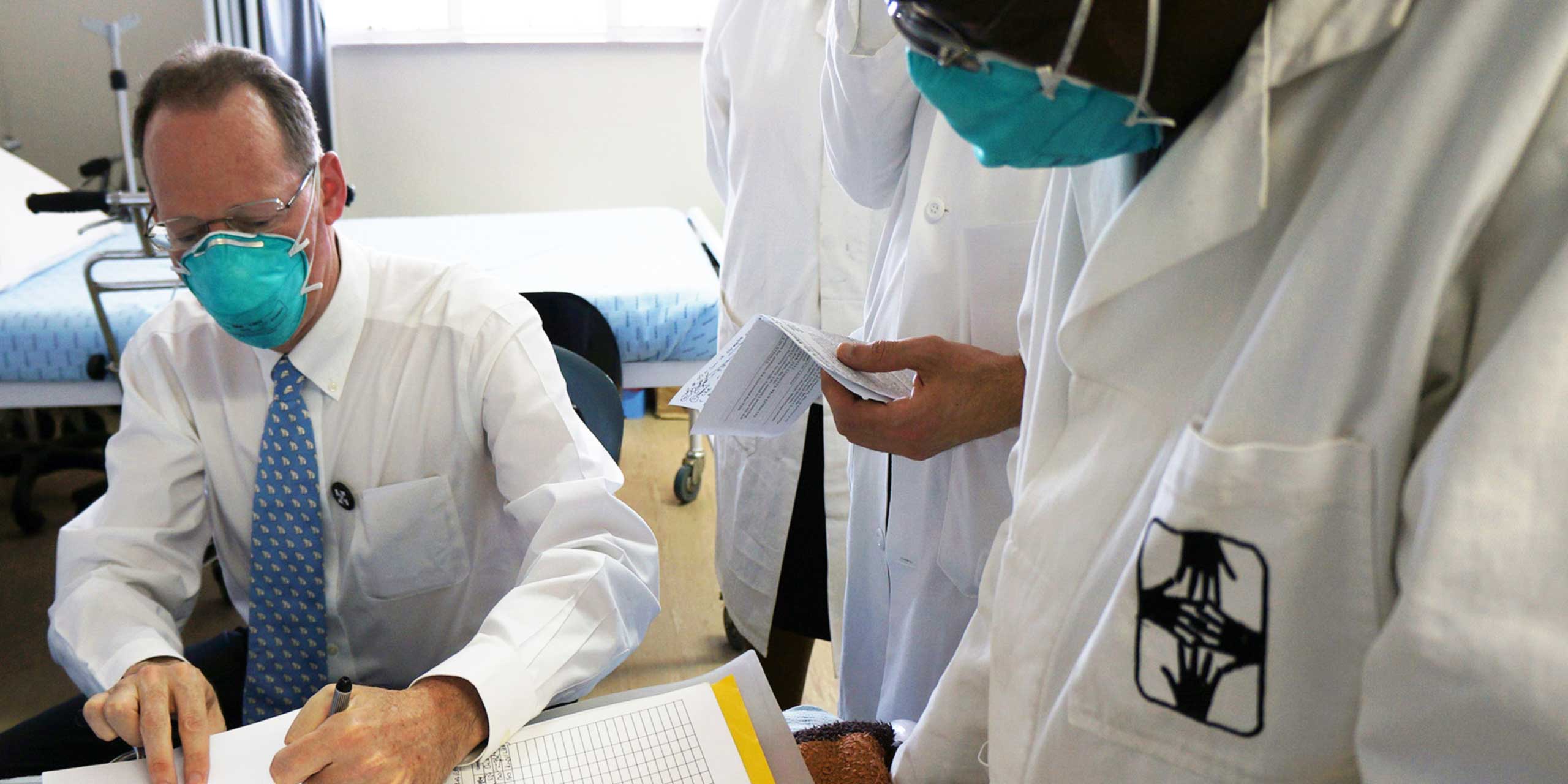
Dr. Paul Farmer seeks to build healthcare institutions in resource-poor settings by mobilizing talent, funding, and supplies, engaging and influencingthe global health community.
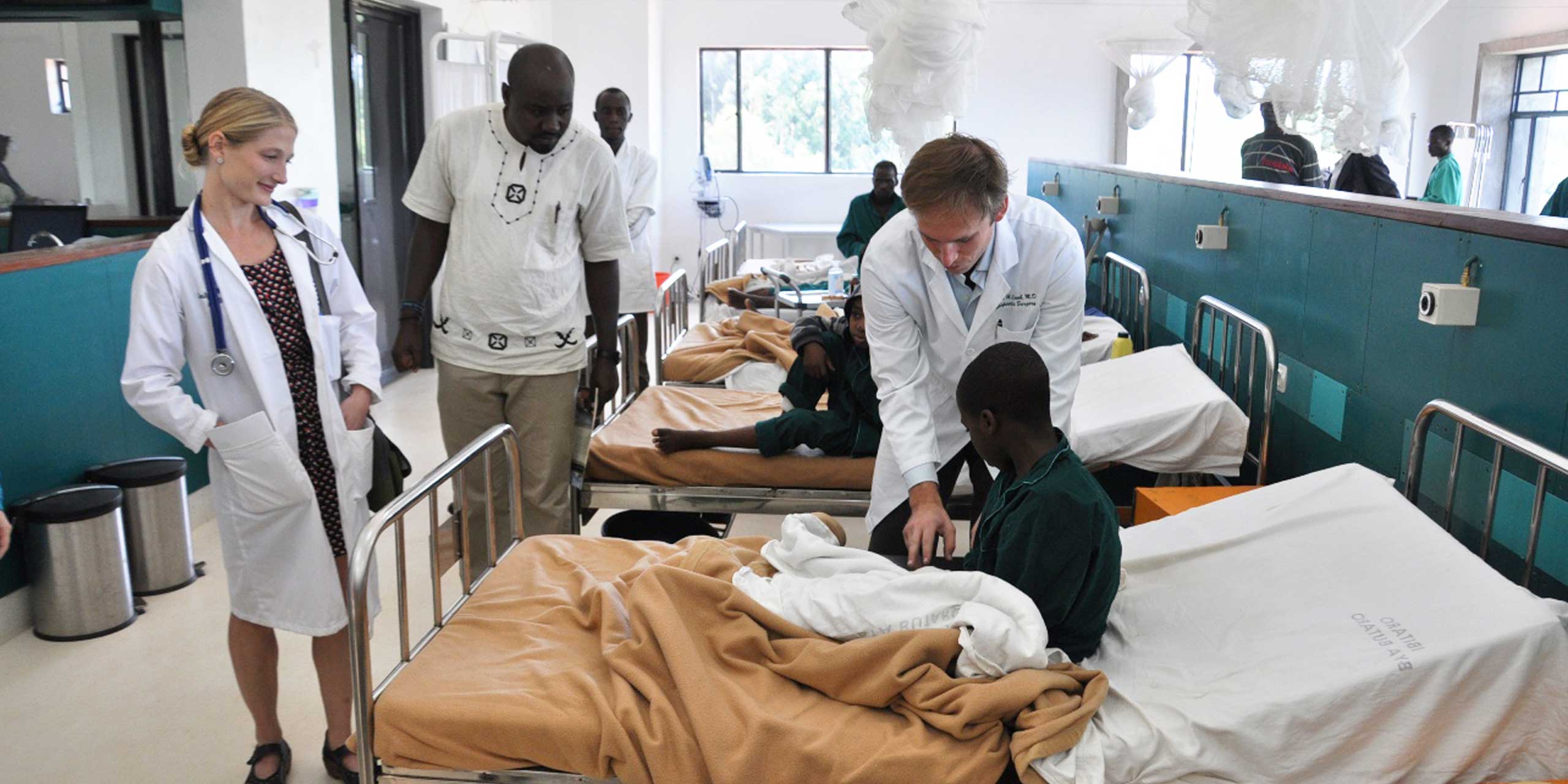
PiH is making medical care available to 2.4 million people in 11 countries.
Delivery of quality healthcare made possible anywhere in the world; access to care comes to be considered a basic human right.
Demonstration, replication, policy reform. PIH builds healthcare institutions in resource-poor settings by mobilizing talent, funding, and supplies; leverages success to access and influence the global health community; and engages media and leading academic institutions to redefine complicated and entrenched institutions.

Co-founder and Chief Strategist, Partners In Health
Dr. Paul Farmer, physician and anthropologist, is chief strategist and co-founder of Partners In Health, Kolokotrones University Professor and chair of the Department of Global Health and Social Medicine at Harvard Medical School, and chief of the Division of Global Health Equity at Brigham and Women’s Hospital in Boston. He also serves as U.N. Special Adviser to the Secretary-General on Community-based Medicine and Lessons from Haiti. Dr. Farmer has written extensively on health, human rights, and the consequences of social inequality.
Dr. Farmer set out to prove that cost-effective, high-quality health care could be delivered in the most destitute environs. When he co-founded PIH in Haiti in 1987 (with fellow entrepreneurs Dr. Jim Kim and Ms. Ophelia Dahl), no global mechanisms or norms existed to support health care access for poor people, with the exception of vaccinations and Vitamin A tablet distribution. PIH played a leading role helping to broker a shift in that paradigm, leading to global consensus and funding for treatment of tuberculosis, HIV/AIDS, malaria, and other infectious diseases.
Dr. Farmer’s vision and integrity have since inspired like-minded people from all walks of life to embrace the concept of health as a human right and devote their lives to figuring out how to increase access to care for the poorest populations in the world.
After Ophelia Dahl was ED of Partners in Health from 2001 to 2015, Dr. Gary L. Gottlieb became CEO of Partners In Health in 2015.
Expanded service delivery to provide lifesaving medical care to 2.4 million people in 11 countries by 2014, employing 2,422 medical staff and 8,301 health workers. Provides training materials and technical support to numerous health programs practicing the model worldwide. Priority programs have developed and demonstrated approaches to cancer and chronic disease, cholera, HIV/AIDS, surgery, women’s and children’s health, Community Health Workers, mental health, and tuberculosis. Operates hospitals and health facilities including teaching hospitals in Haiti, Rwanda, Lesotho, and Malawi. Partnered with other organizations and the World Health Organization to train workers and establish facilities to treat Ebola.








Dr. Paul Farmer left behind a generational legacy, a depth of impact felt far beyond the fields of public health and global development. He founded Partners in Health, the pioneering…