

Hospitals and Health Systems Join the Race for a Healthy Climate
For more than a year, the world’s doctors, nurses, hospitals and health systems have been on the front lines in the battle against COVID-19. Many have served heroically as first…


When health care speaks, people listen. When health care acts, markets respond. When health care innovates, lives improve.
For more than two decades, Health Care Without Harm has mobilized the health sector in every corner of the world to leverage its unique role as community anchors to address the climate crisis.
Health Care Without Harm is a team of experts, policy specialists, organizers, researchers, communicators, and professionals working at the intersection of the often siloed areas of human health and the environment. The organization envisions health care as a climate-smart, innovative sector that leads a transition to a low-carbon economy while improving community resilience, health equity, and access to care.
To achieve this, Health Care Without Harm has built a vast network, representing the interests of over 36,000 hospitals and health systems globally, as well as partnerships with leading environment and health NGOs, ministries of health, UN agencies, supply chain companies, and health professional associations. Working with hospital leadership, doctors and nurses, as well as the broader health and environmental communities, Health Care Without Harm advances climate-smart health care policies and business models that amplify health care's trusted voice and expertise.
Health Care Without Harm focuses on mitigation, resilience, and building advocacy and communications which allows it to influence action at the local level and then collectively advance public and planetary health worldwide.

The health care industry paradoxically is a significant source of pollution and a contributor to trends that undermine public health.
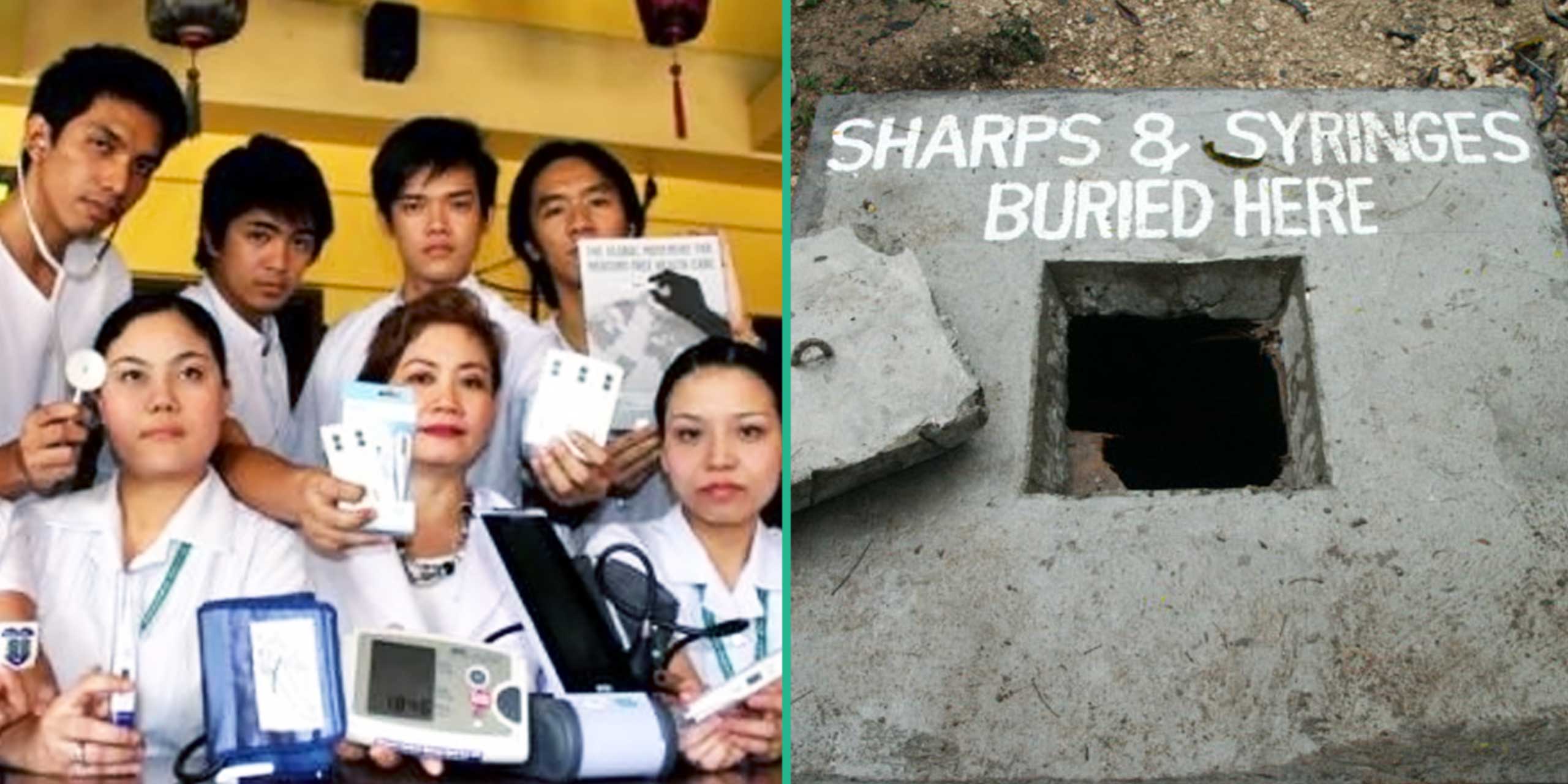
HCWH catalyzed adoption of standards for safer plastics, building materials, and cleaning products, healthier food, and greener energy sources.
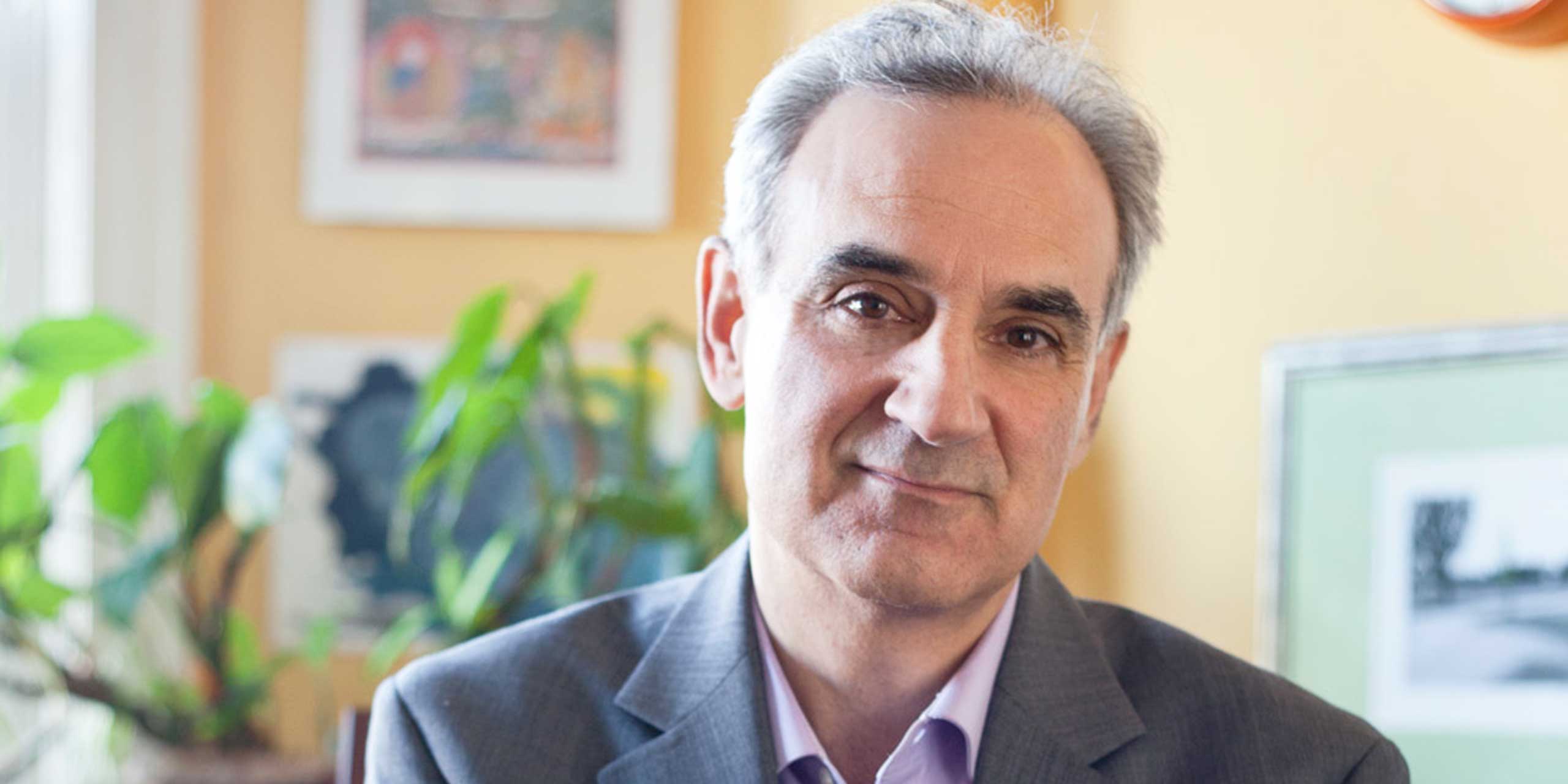
Gary Cohen champions the idea that a healthy planet is the only path to healthy people.
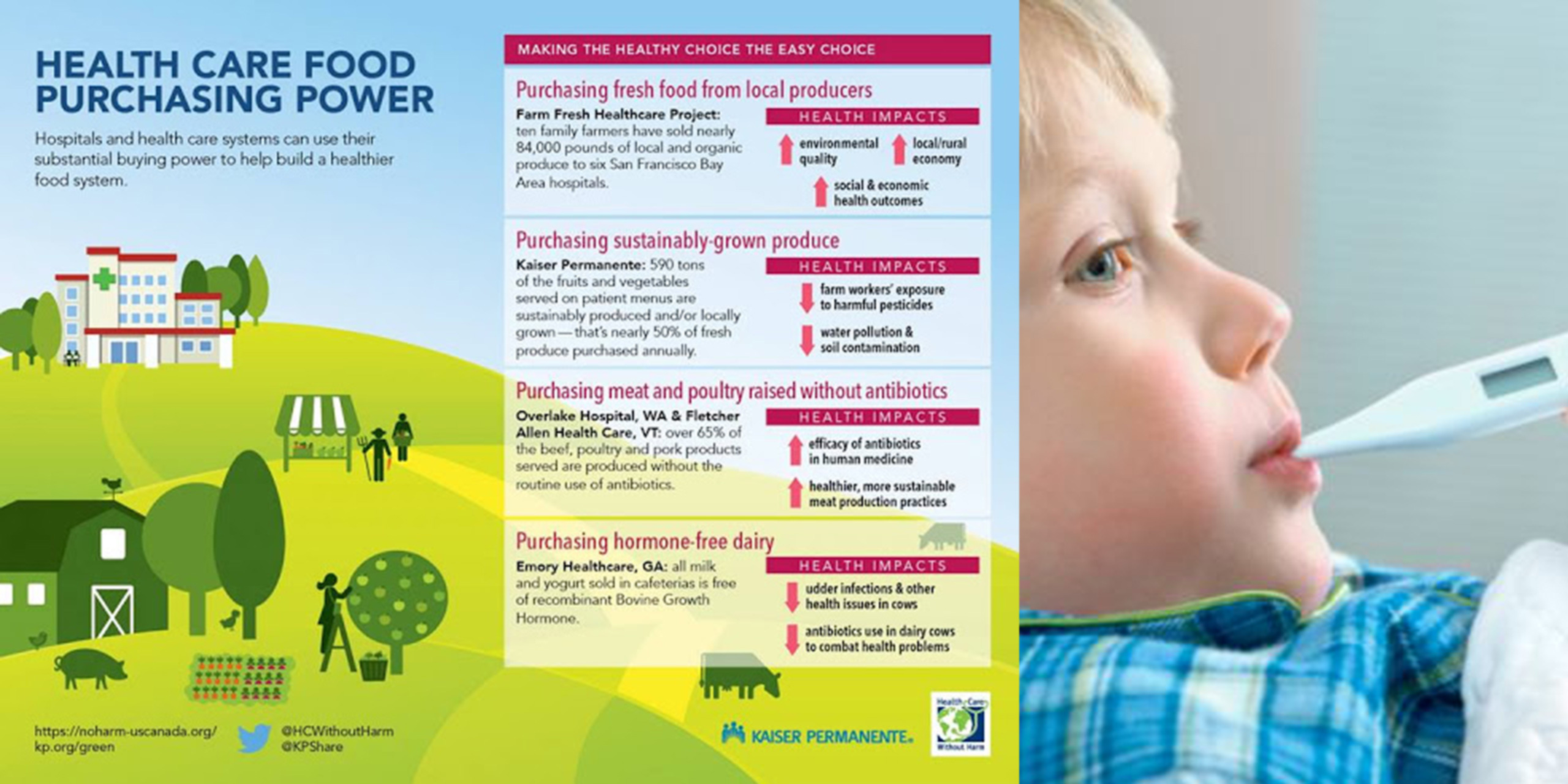
HCWH's global coalition includes 500 organizations in 53 countries and has led to such developments as the elimination of mercury thermometers in hospitals.
Health Care Without Harm envisions a transformation of the health care sector so that it mitigates its own environmental footprint, becomes a community anchor for resilience, and a leader in a broader societal transformation that embraces environmental health and justice.
Embedding sustainability into health care operations, we drive the sector from within to lead broader change. Our work harnesses the economic power and influence of the health care sector to generate equitable policies, drive markets, and create opportunities for healthy energy, food, housing, and products.
President, Health Care Without Harm
Gary Cohen was a travel writer whose life was changed by an assignment to draft a community guidebook about toxic chemicals. After meeting mothers working to protect their families from toxic dumps and other chemical threats, he devoted his life to environmental health. He co-directed the National Toxics Campaign and co-founded the Military Toxics Project, then helped launch a free clinic for survivors of the chemical disaster in Bhopal, India. He co-founded Health Care Without Harm in 1996, addressing the irony that the health care sector – whose practitioners take an oath to do no harm – was one of the largest sources of dioxins, mercury, and other toxic chemicals poisoning the environment. Over more than two decades Health Care Without Harm has evolved into an international organization and global network. Today HCWH works with hospitals, health care systems and ministries of health on every continent, along with United Nations agencies to bridge environment and health issues, and embed a sustainability agenda in the health care sector and mobilize it as a leading advocate on climate change, environmental health and justice. In addition the Skoll award Gary has received the MacArthur Fellowship and the White House Champion of Change Award under President Obama.





For more than a year, the world’s doctors, nurses, hospitals and health systems have been on the front lines in the battle against COVID-19. Many have served heroically as first…

Healing collective trauma at the community level, and planetary health are now becoming part of the DNA of the healthcare system, and that gives me an enormous amount of hope.…
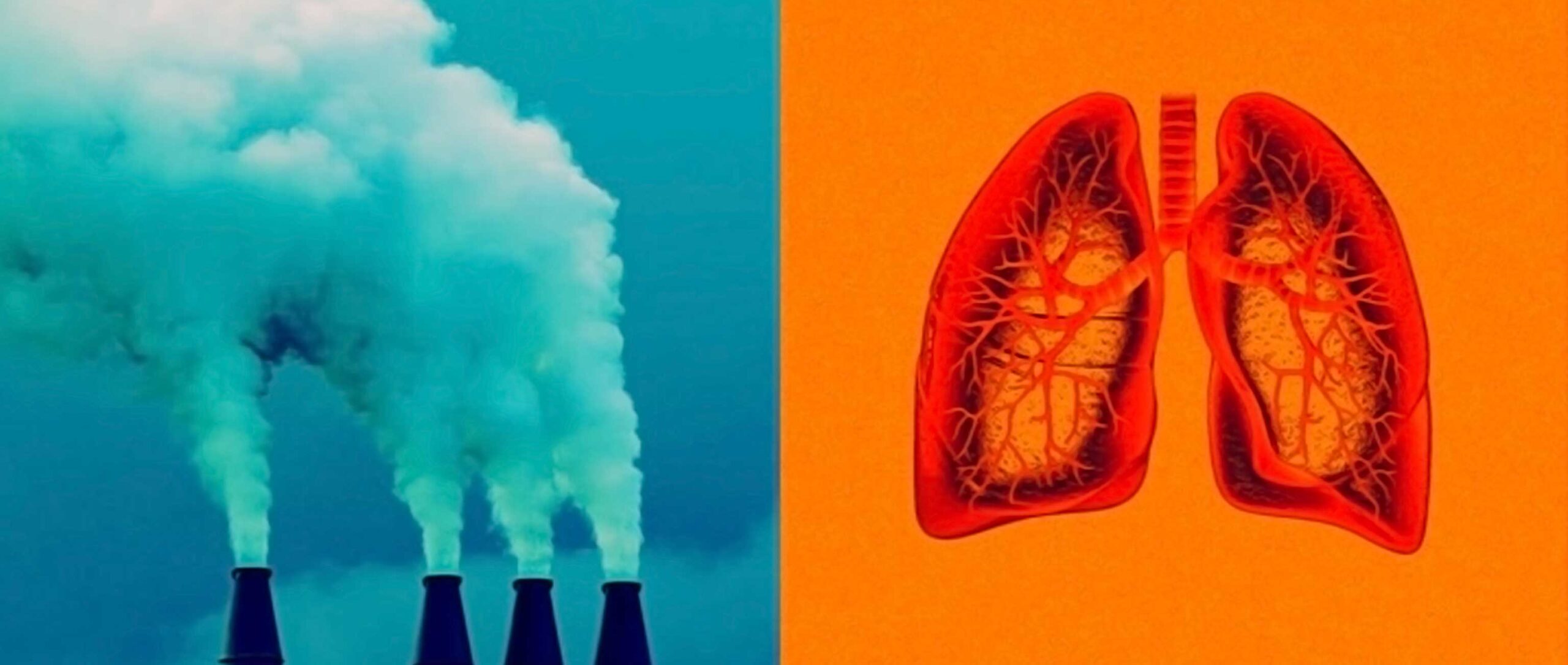
While still reeling from the COVID-19 pandemic, health professionals and hospitals are joining forces to respond to another global health emergency: climate change. An international coalition of more than 1,500…

This year during the first-ever virtual Skoll World Forum, Health Care Without Harm organized a session to explore the relationship between the coronavirus pandemic and the climate crisis. We had planned…

As the coronavirus pandemic impacts millions across the world and brings economies to a grinding halt, there’s a lot of talk about how emissions from fossil fuel combustion have dropped…