



The Case for Creative Coalitions in a Time of Turmoil
Imagine a country’s Olympics team getting all mixed up. The swimmers end up in the sprint and the cyclists are handed javelins. There’s a wrestler on a horse and a…


Crisis Action is a pioneering campaigning organization that aims to help avert conflicts, prevent human rights abuses, and ensure governments fulfil their obligations to protect civilians. It does this by working behind the scenes to coordinate impactful collective action that brings together humanitarian, human rights, and peacebuilding organizations and others, including businesses, politicians, faith leaders, etc.—that wouldn’t otherwise work together—to help them collaborate, to influence those with the power to protect civilians caught up in war, from Afghanistan to Zimbabwe. Crisis Action’s current campaigns include Yemen, the Sahel, Ethiopia, and Ukraine.
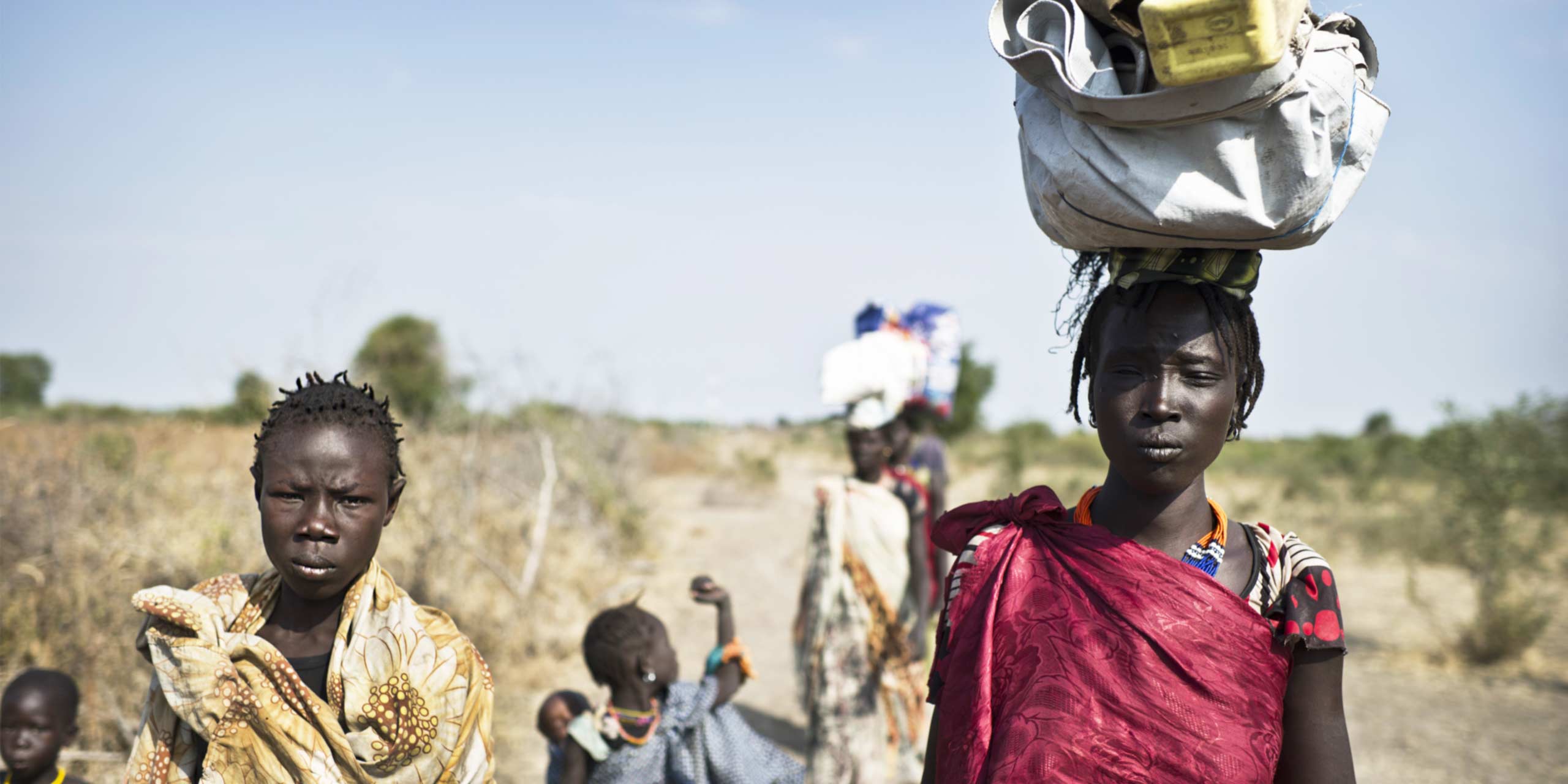
A quarter of the world’s people live in areas threatened by conflict or violence.
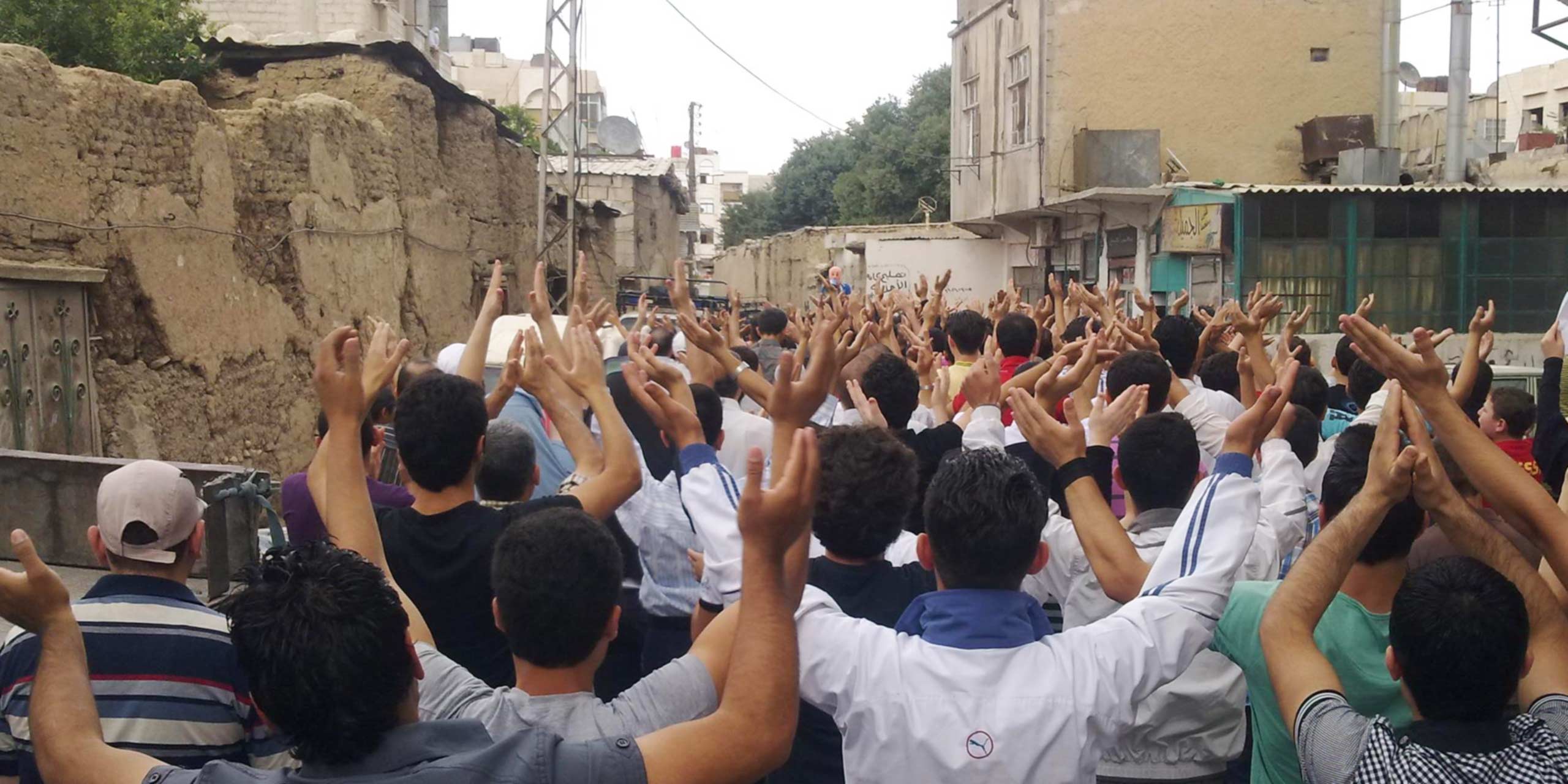
Crisis Action brings human rights and humanitarian organizations together to protect civilians from conflict.
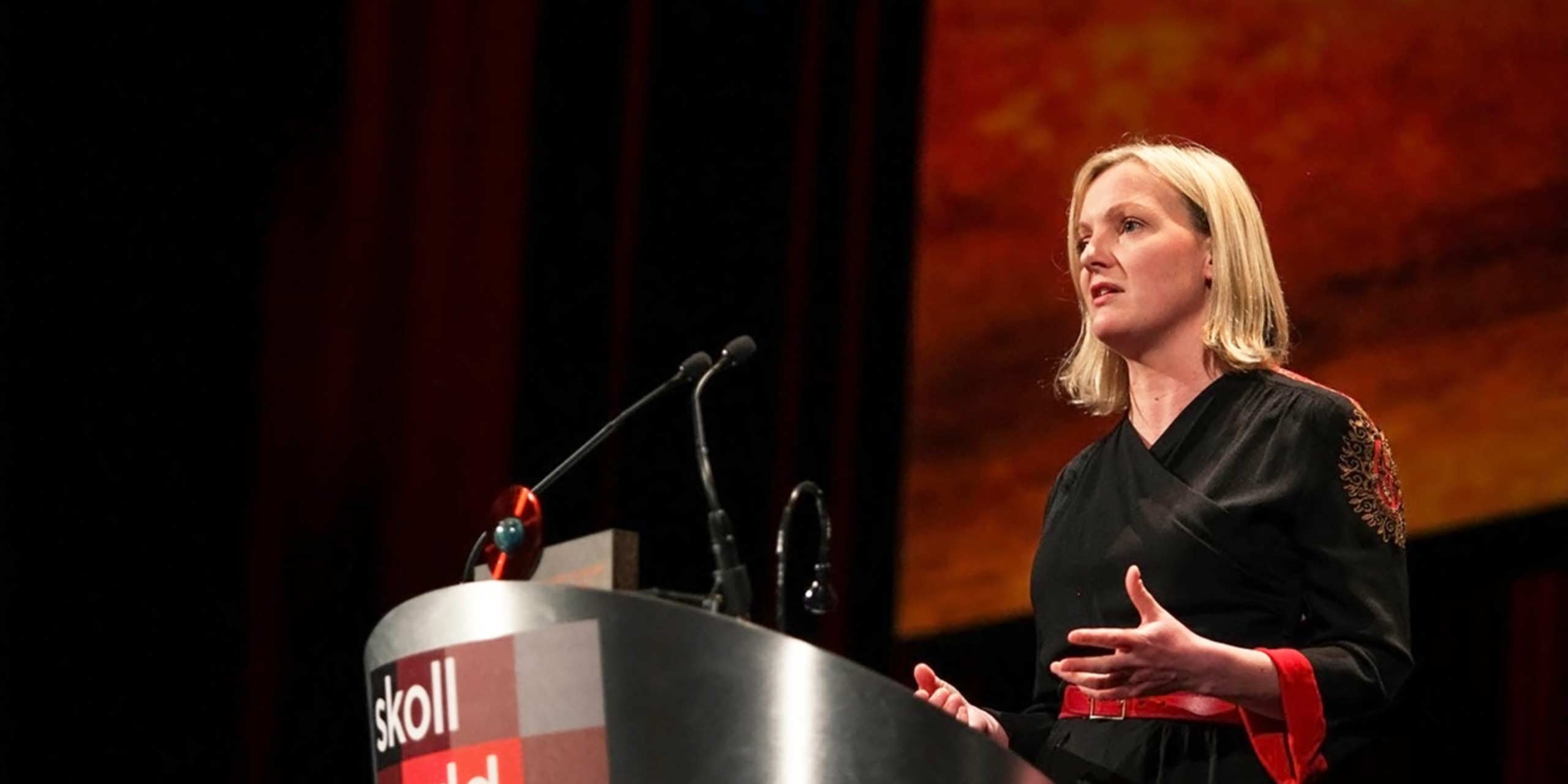
Gemma Mortensen's vision is that coordinated engagement by civil society organizations can empower some of the most vulnerable people on Earth.
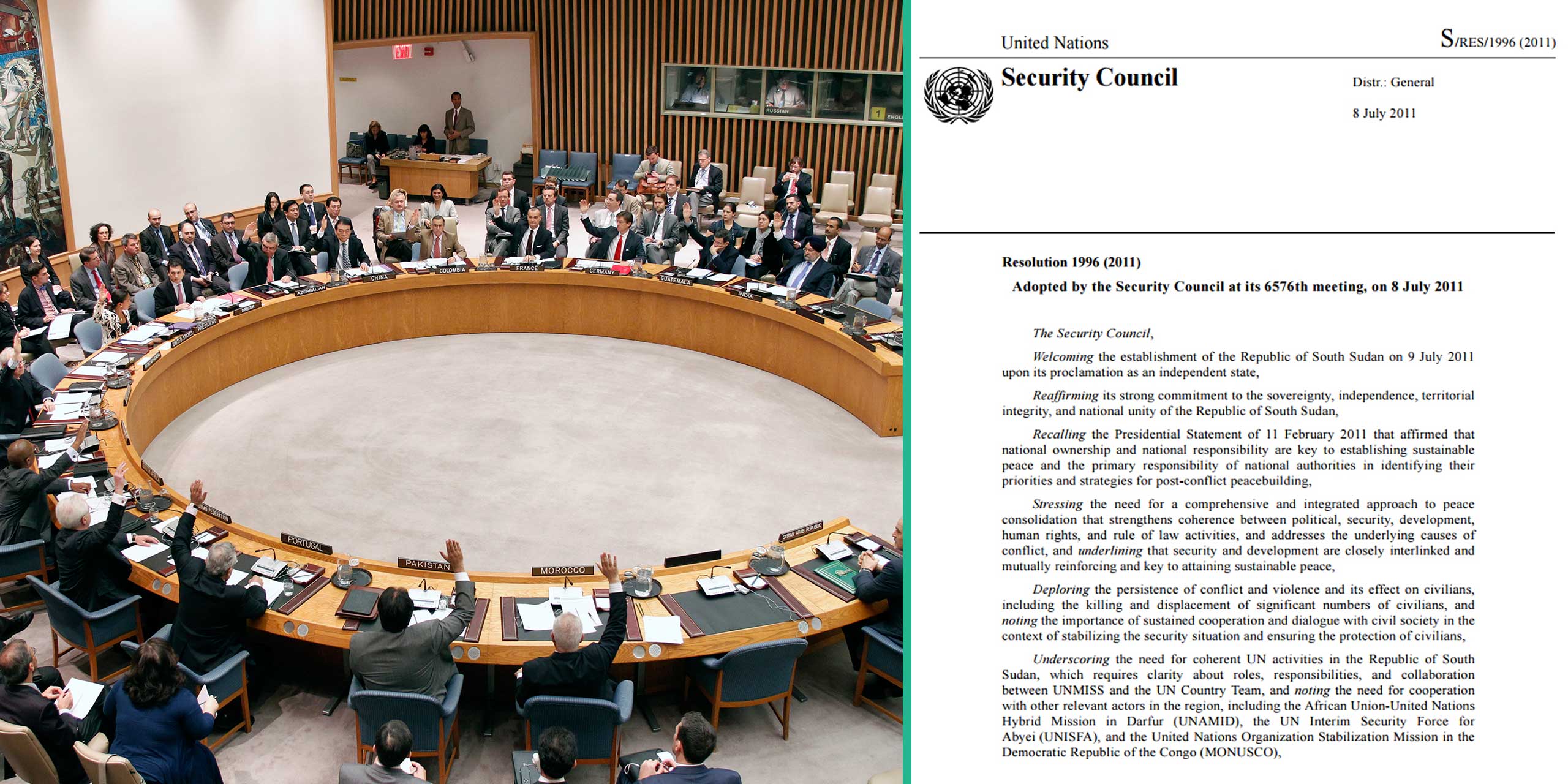
Crisis Action has engaged with more than 50 partner organizations and United Nations agencies to protect civilians in difficult conflicts in Africa and the Middle East.
Coordinated engagement by civil society in humanitarian crises compels policymakers to act to stop war and protect the human rights of civilians.
Crisis Action seeks systemic change to stop wars being waged. It seeks to ensure that civil society’s policy advocacy is coordinated in its response to wars. It seeks to ensure that governments and multilateral institutions implement systemic policy change in particular war zones that saves millions of lives.

Founder and co-creator, New Constellations, Crisis Action
Gemma Mortensen, Crisis Action’s former Executive Director, has had a long-standing interest in conflict prevention. Gemma's has pursued roles that enabled her to better understand how governments can be made to uphold their responsibilities toward their citizens, and how civil society can be empowered to become an active, powerful force for good. Having previously worked as a journalist and in diplomatic capacities at the International Criminal Court, the UK Mission to the UN, and the European Commission, Gemma joined Crisis Action in 2006 after its founder died in a tragic accident and took over in 2009.
Gemma stepped down as Crisis Action’s leader in August 2015 after being selected as one of Yale’s World Fellows for 2015; Yale’s flagship global leadership development program. She went on to serve as the first Chief Global Officer at Change.org, overseeing teams in 17 countries, before returning to London as Co-Founder of More in Common.
Andrew Hudson, a long-time leader within Crisis Action, took her place beginning September 2015. He provides world-class leadership to a global team and has spearheaded some of the organization’s signature advocacy successes, as well as leading critical aspects of the internationalization of Crisis Action.
Built a platform including Christian and Muslim religious leaders from Central African Republic who convinced the United Nations (UN) to deploy peacekeeping forces to the country to stop ethnic cleansing from spiraling out of control as outlined here. Mobilized a global public response through the #WithSyria campaign to get agreement for UN cross-border aid convoys to reach three million starving Syrians. This was the first time the UN had delivered aid from outside any country and this cross-border aid continues today. Prevented an attack on the vital lifeline of Hodeidah port in Yemen that enabled aid to continue to flow to millions of people. Helped procure a ceasefire in South Sudan that significantly reduced deaths by ensuring that South Sudanese women and young people were directly involved in peace talks and pressuring the UN to impose targeted sanctions and an arms embargo. Crisis Action has helped spin off two new organizations, Digital Action and Climate Catalyst, which replicate the same creative coalitions methodology as outlined here, and in this explainer video.



Imagine a country’s Olympics team getting all mixed up. The swimmers end up in the sprint and the cyclists are handed javelins. There’s a wrestler on a horse and a…