




#GoodNews December: Highlights from Social Entrepreneurs in 2019
As the end of 2019 approaches, we’ve gathered up the good news: the progress and accomplishments of Skoll social entrepreneurs, hard at work on the world’s thorniest problems. We are…


Gram Vikas has been working in Odisha State of India since 1979, with rural poor and Indigenous communities. Gram Vikas’ work has benefitted nearly 700,000 people in 1,700 villages of Odisha and Jharkhand.
The vision of Gram Vikas is “to build an equitable and sustainable society where people live in peace with dignity.” Our mission is to promote processes which are sustainable, socially inclusive, and gender equitable to enable critical masses of poor and marginalized rural people or communities to achieve a dignified quality of life.
Our work is organized in six thematic areas: village institutions, water, livelihoods, sanitation and hygiene, habitat and technology, and education and youth. Built on these six program pillars are the two program platforms to address the key development challenges that rural communities face, the Water Secure Gram Panchayat (WSGP) Program and the Safe and Dignified Migration Program (SDMP). Through the WSGP Program we aim to, by the year 2030, make 5 million households in Odisha and Jharkhand capable of addressing water and natural resources–related challenges and build safe, sustainable, resilient, equitable, and prosperous methods of planning and using the resources. The SDM Program will help the younger generation in half a million households of southern Odisha build better livelihoods, leveraging on migration opportunities that are safe and dignified.
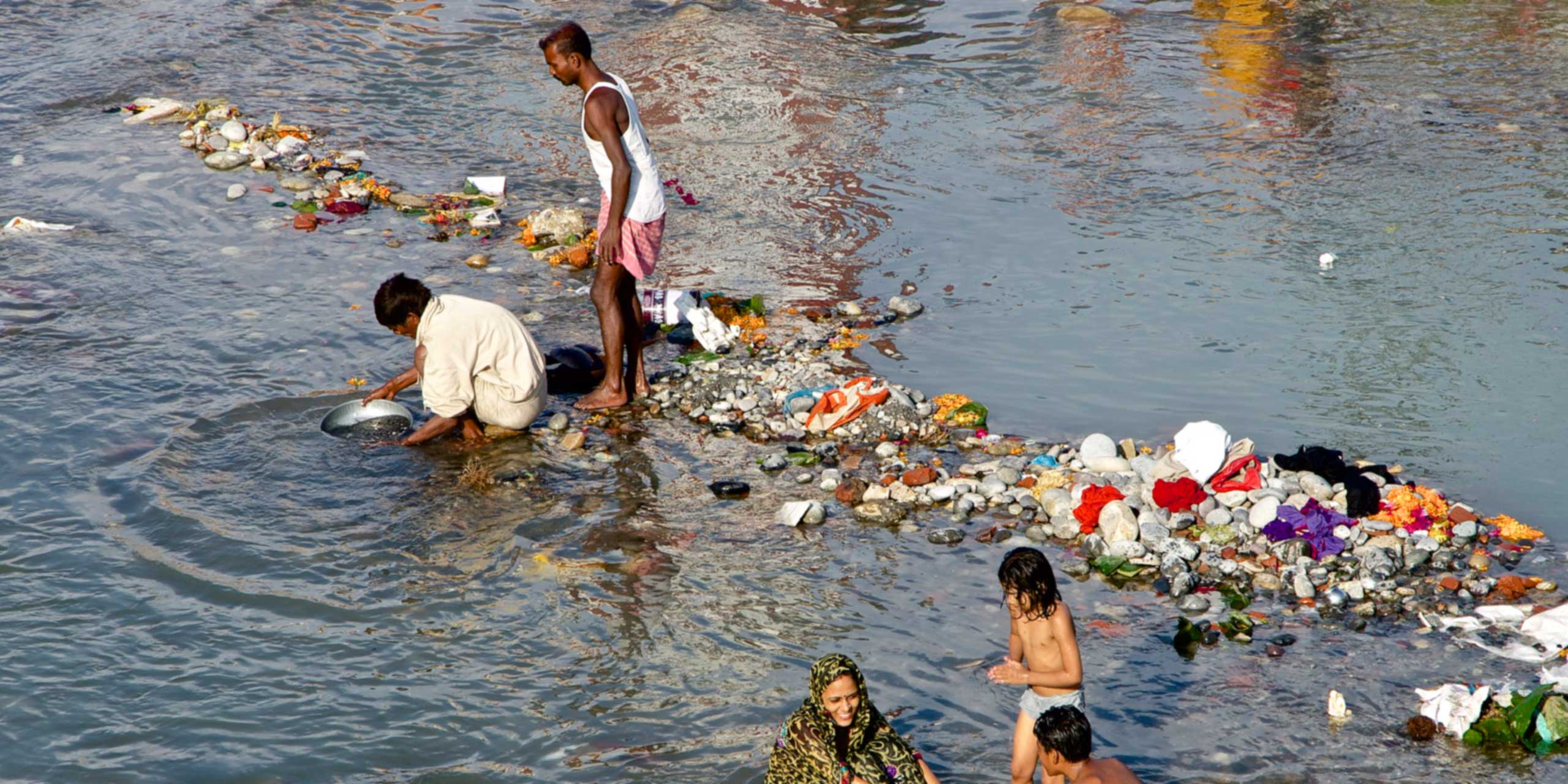
The poorest communities in India have little voice, incentive, or trust to participate in development efforts.
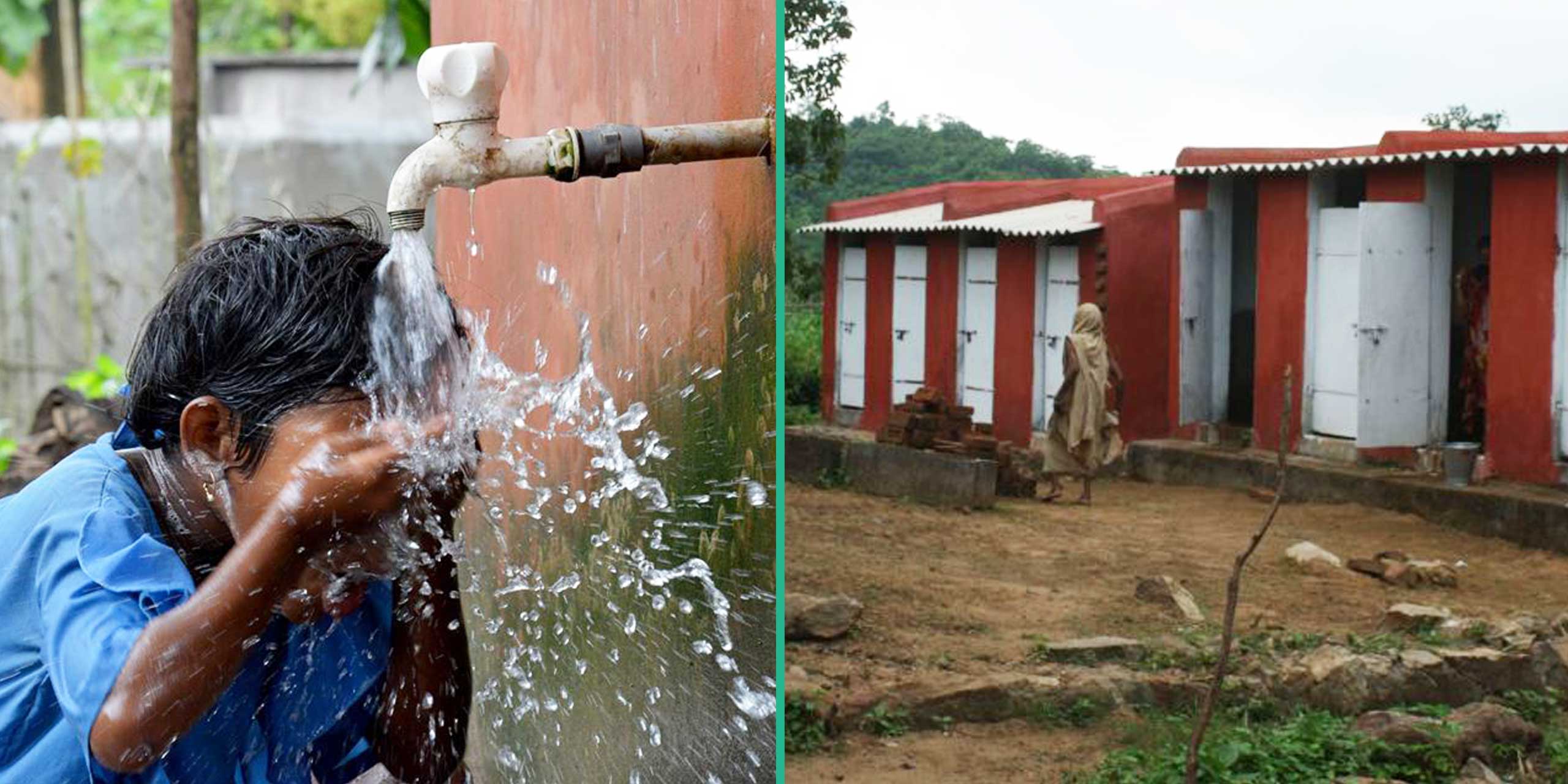
Gram Vikas engages villages in water and sanitation projects, progressing to improve livelihoods and break down barriers of tribe, caste, and gender.
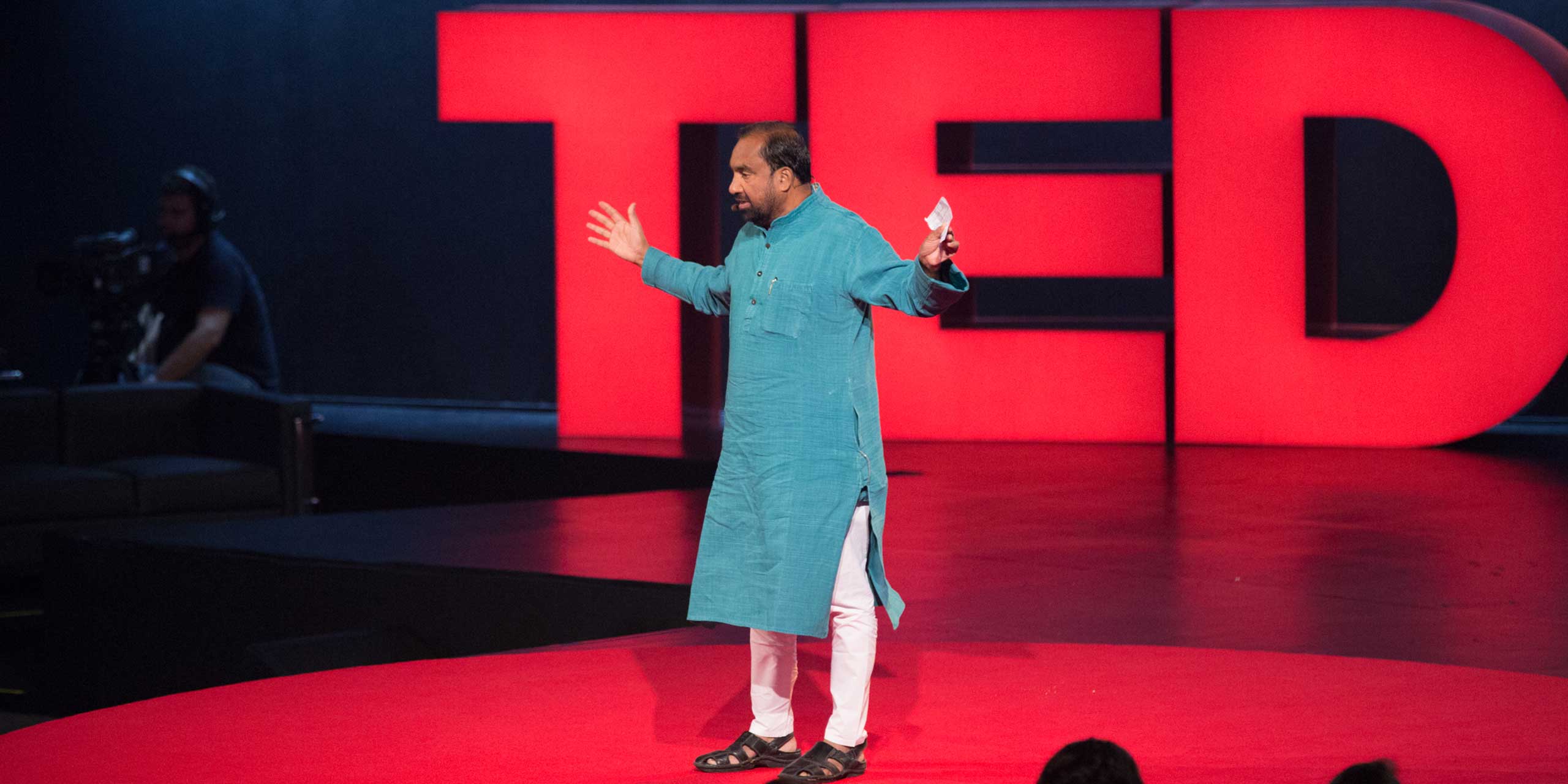
Joe Madiath sees water and sanitation as a starting point for villagers to take their future into their own hands.
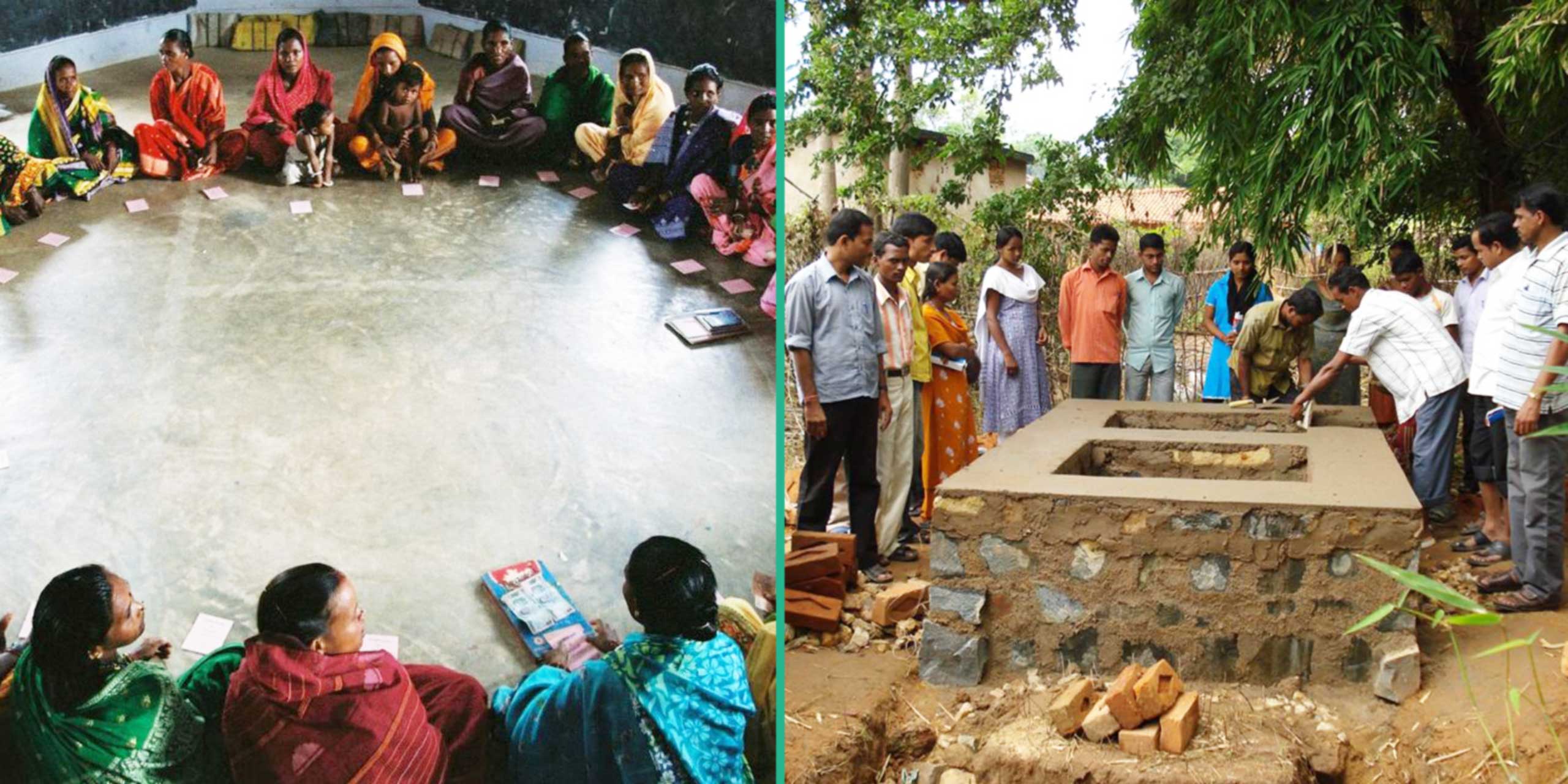
Gram Vikas has worked with 1,199 villages, serving more than 60,000 families.
We aim to mobilize village communities and local governments in 1,000 local village councils to plan, implement, and own their own change processes for ensuring climate-resilient water and natural resource security for the communities. This will enable men, women, and children to live a life of equity and dignity.
We helps our partner communities build capacities, strengthen institutions, and mobilize resources. We build proofs of concept, for community-owned and managed change processes and scale up the work to a meaningful level. In the process, we demonstrate how public systems can learn and adopt the models that we have built.
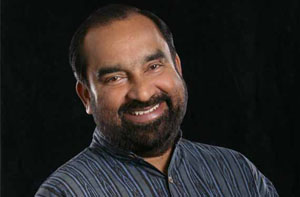
CEO & President, Gram Vikas USA
Joe Madiath began to champion the marginalized at 12, when he organized the workers on his family’s farms to lobby for better treatment. During his university studies, he founded the young Students’ Movement for Development (YSMD). In 1971, he led a group of YSMD volunteers to assist in refugee camps in Bangladesh, and then to the flood-ravaged Indian state of Orissa. After the “charity” phase was over, he stayed on to consolidate efforts into lasting development, which became his life work. He established Gram Vikas in 1979 with an initial focus on health, education and livelihood for tribal communities and eventually led the installation of biogas plants and improved cookstoves on a large scale in rural Odisha. After realizing in the early ‘90s that health was the underlying problem in rural communities, Gram Vikas began working on sanitation and integrating it into its holistic approach to rural development.
Joe retired from his role as CEO in 2014, and remains actively involved with Gram Vikas as the Chairman of the Board. Liby Johnson is the current Executive Director, having assumed the role in October 2017.
Gram Vikas’ work has reached 1,33,000 households in 1,700 habitations in 599 Gram Panchayats of 174 Blocks in 27 districts in Odisha and Jharkhand States of India. Over 105,000 families in 1,472 villages have built household toilets and bathing rooms and been connected to pure piped water. Fifty-eight thousand families have gained access to renewable sources of energy: biogas or solar. More than 12,000 acres of wastelands have been regenerated into productive community-managed fuel/fodder and fruit plantations. More than 2,000 first-generation matriculates, 42 percent of whom are girls from tribal communities have been supported to build a bright future.
Gram Vikas’ work has been recognized within India and globally. In 2022, we were awarded The Earth Care Awards for our work on community-based climate action. The 2021 Sat Paul Mittal National Award for outstanding service to humanity was also awarded to Gram Vikas.

As the end of 2019 approaches, we’ve gathered up the good news: the progress and accomplishments of Skoll social entrepreneurs, hard at work on the world’s thorniest problems. We are…