



Leveraging Government Partnerships
How can social enterprises prepare for and successfully partner with government to dramatically accelerate the scale of impact? Code for America on understanding the whole government ecosystem before engaging Jen…


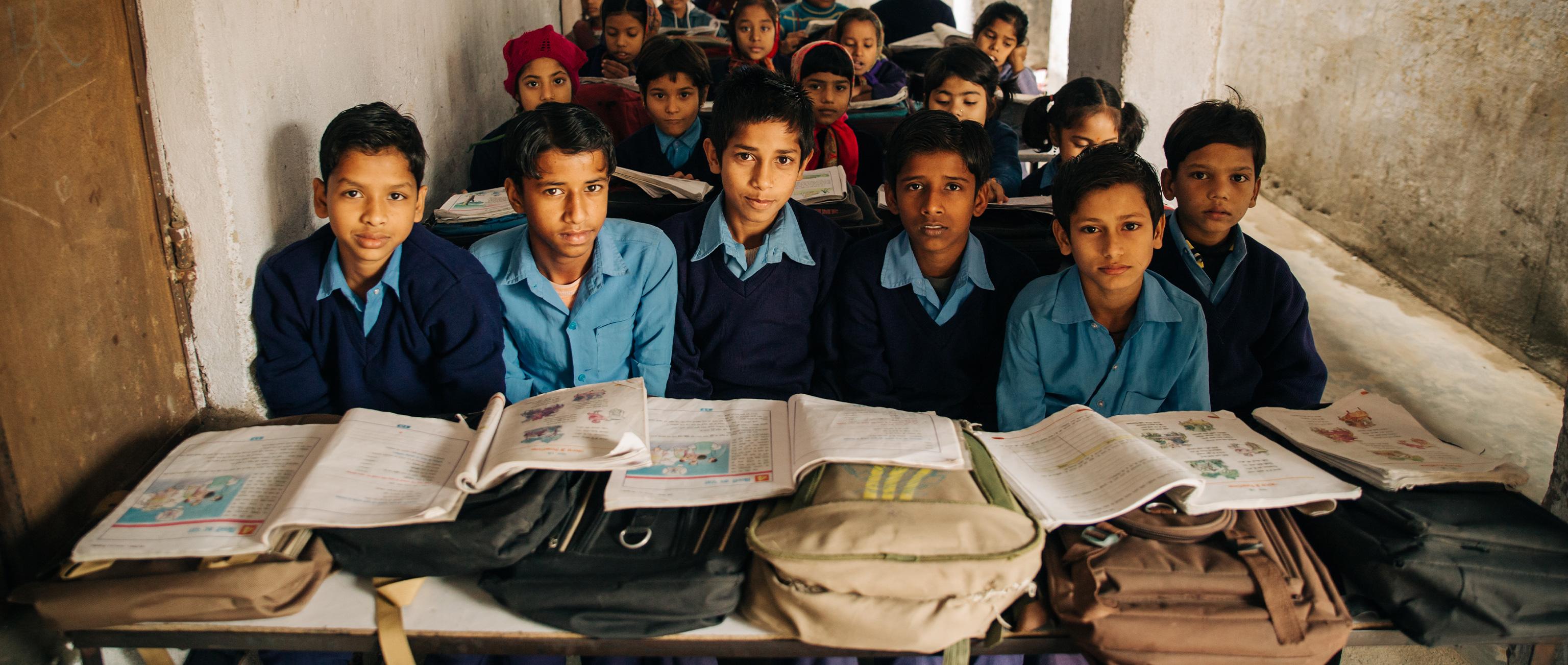
Pratham is an innovative learning organization created to improve the quality of education in India. As one of the largest non-governmental organizations in the country, Pratham focuses on high-quality, low-cost, and replicable interventions to address gaps in the education system. Established in 1995 to provide education to children in the slums of Mumbai, Pratham has grown both in scope and geographical coverage. Pratham means “first” in Sanskrit. True to its name, it is the first major organization to achieve lasting, large-scale success in India’s educational landscape. Pratham works in collaboration with the government, local communities, parents, teachers, volunteers, and civil society members. The organization seeks to reach as many children as possible, while creating a replicable model for state governments. Pratham’s strategies reconfigure teaching methodologies, break down traditional tactics, and challenge the rote learning mechanisms used in Indian schools. In its early years Pratham developed innovative teaching-learning methods, materials, and measurement techniques. In 2005, Pratham pioneered a nationwide school survey that has had a major impact on national and international policy discussions.Working directly with children and youth as well as through large-scale collaborations with government systems, Pratham programs reach millions of lives every year. Pratham's Teaching at the Right Level (TaRL) approach has demonstrated proven impact.
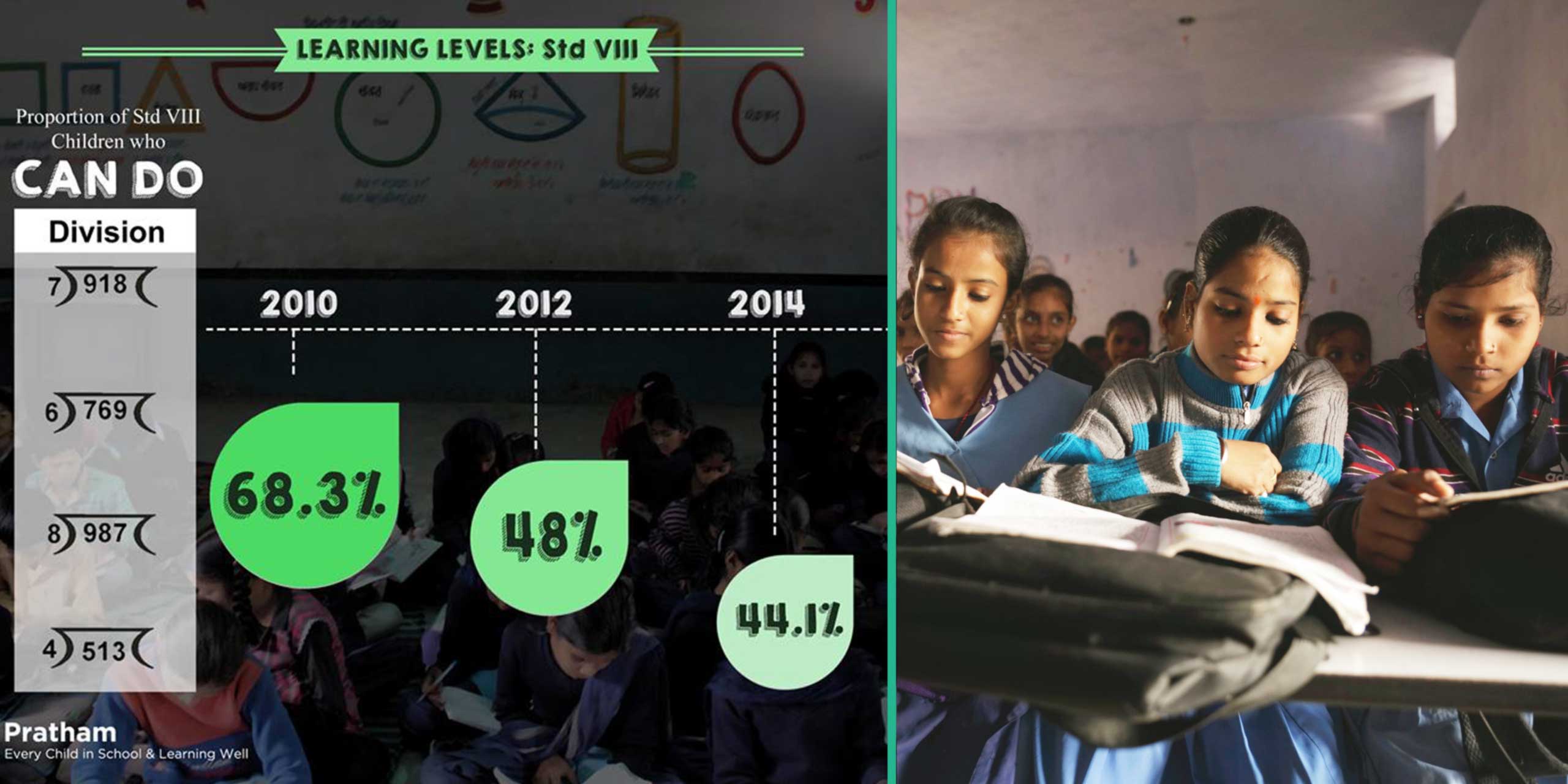
Half of India's village children cannot read or understand mathematics at a level appropriate to their age and grade.
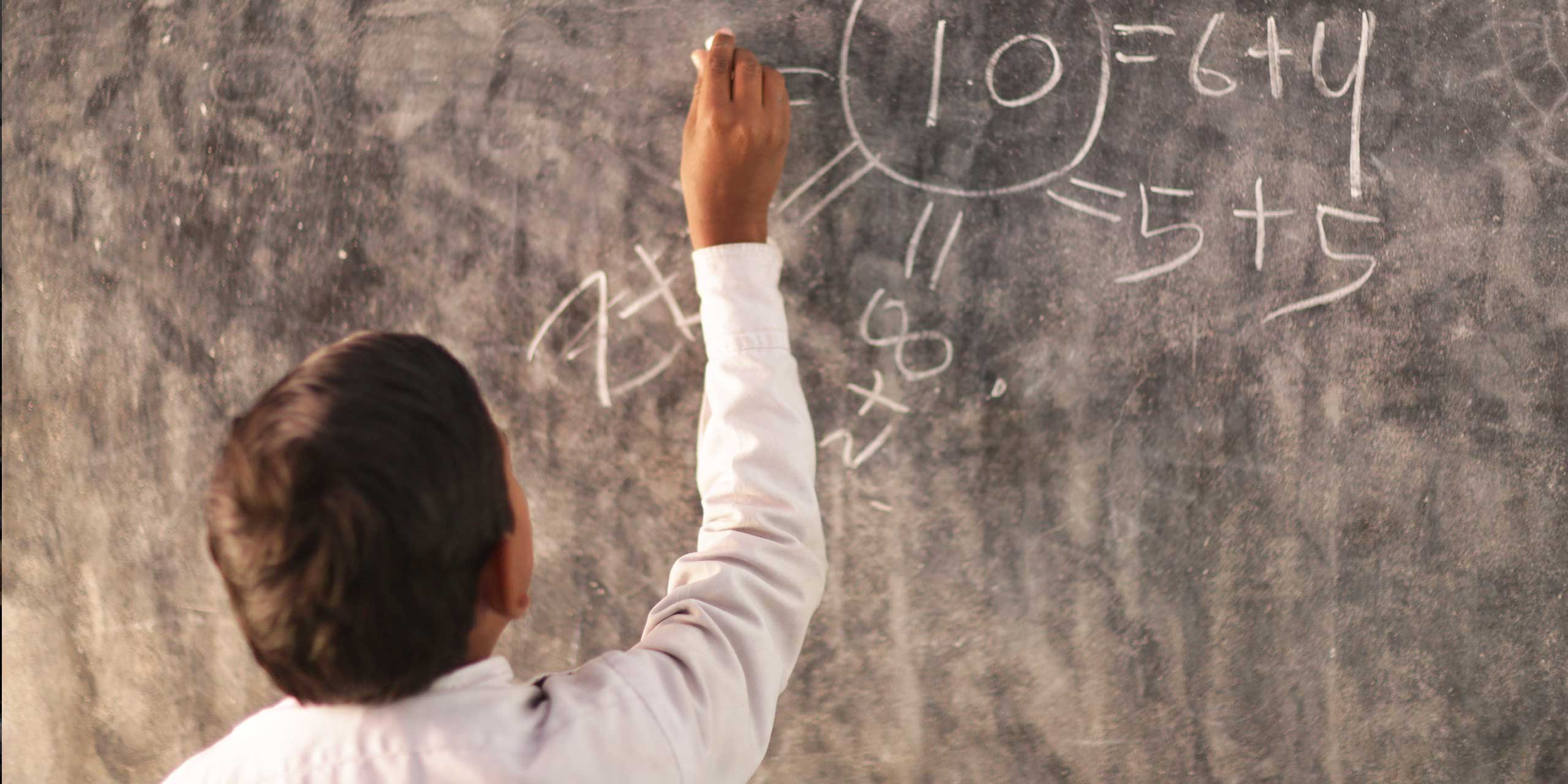
Pratham offers teaching tools, “learning camps,” and educational policy reform building on its Annual Status of Education Report.
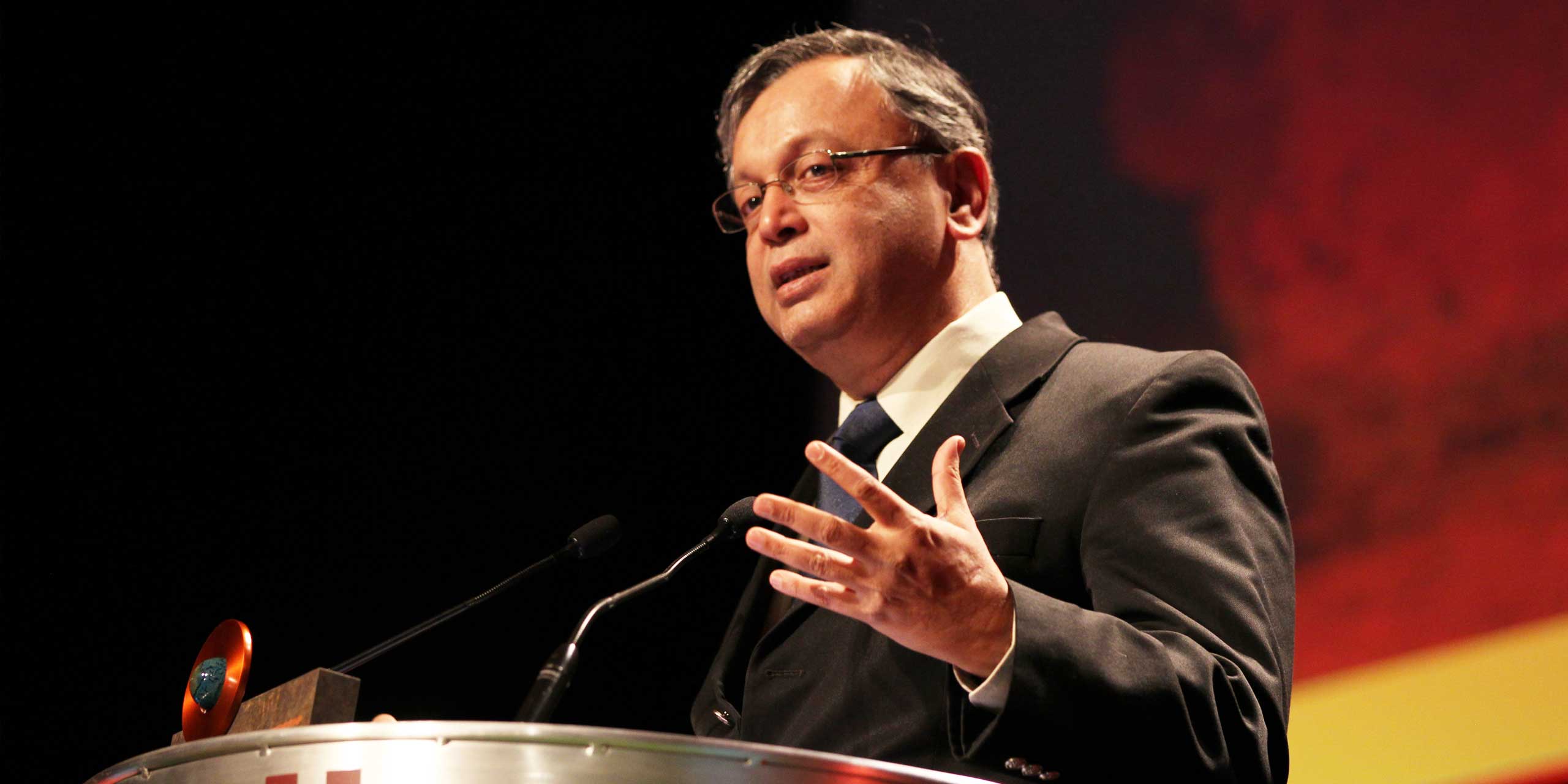
Madhav Chavan envisions an India where all children love learning and receive a quality education.
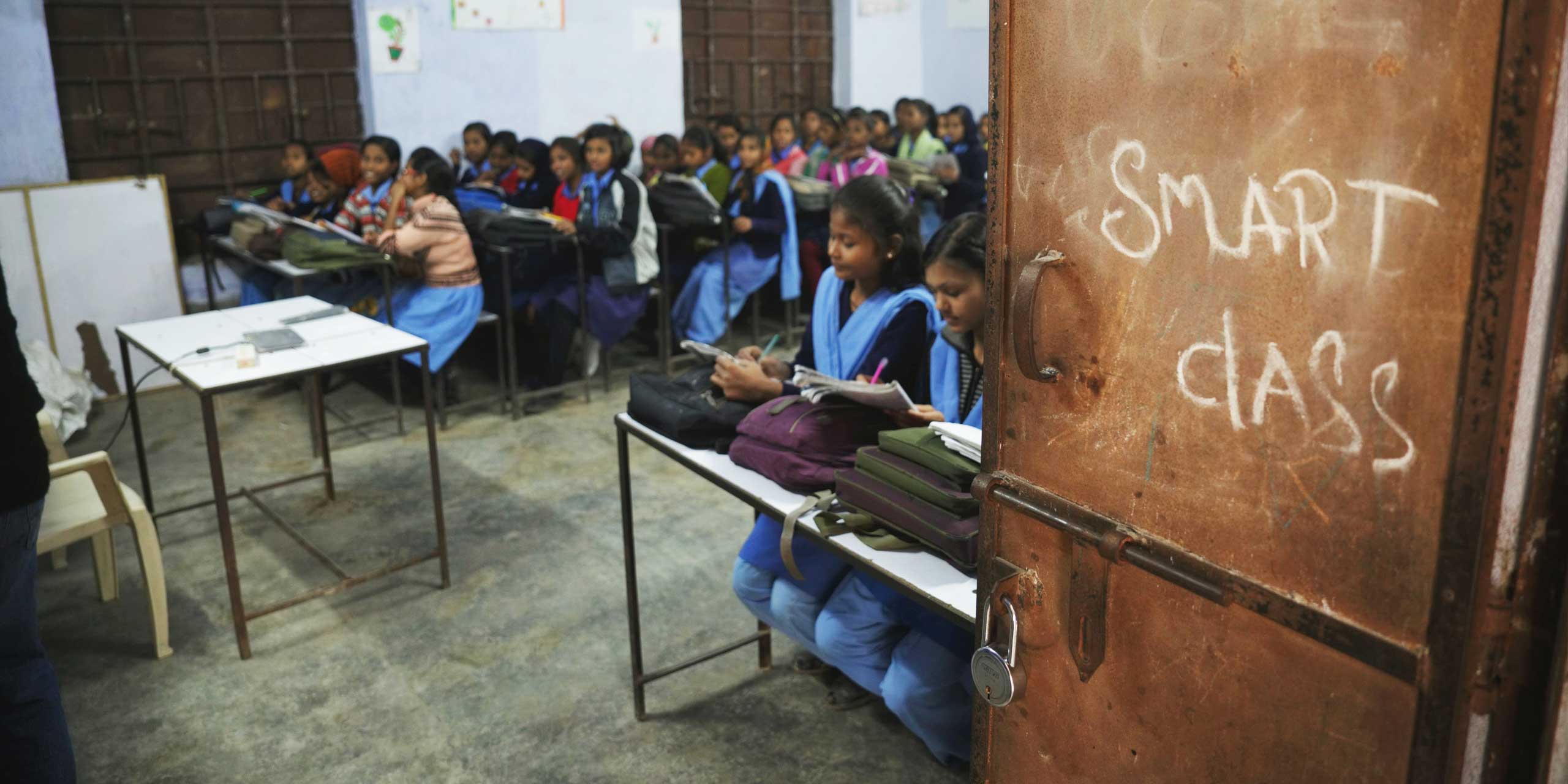
Pratham maintains an active presence in 17 states and 28,000 villages.
Every underprivileged child in India between the ages of six and 14 experiences love of learning and receives a quality education.
Demonstration and Policy Reform
States and school districts adopt literacy and numeracy targets, make teaching and learning tools available, and support parent and volunteer engagement.
Co-Founder, Pratham
Dr. Madhav Chavan taught chemistry at the University of Houston and the University of Mumbai before joining India’s National Literacy Mission in the slums of Mumbai in 1989. He co-founded Pratham with Ms. Farida Lambay in 1995 in response to UNICEF’s challenge to universalize elementary school education by creating a societal mission that brought together business, government and civil society members. In 2004 Dr. Chavan was invited to become a member of the first cohort of the government’s National Advisory Council, chaired by Mrs. Sonia Gandhi. Dr. Chavan has brought to Pratham his vision of low-cost, high-impact and large-scale solutions to India’s education problems, an intense focus on measurement and results, and a willingness to partner with key stakeholders, especially the government, to achieve social change through universal education.
In addition to the Skoll Award for Social Entrepreneurship, Dr. Chavan was awarded the WISE Prize, known as the Nobel for work done in education in 2012. He has also been recognized as an Asia Game Changer by Asia Society. Most recently, he received the Teachers College, Columbia University's Medal for Distinguished Service.
Dr. Chavan stepped down from his role as CEO of Pratham in 2015 but continues to be a full time member of the board, while also looking after the vocational training and digital learning innovations wings of the organization. Dr. Rukmini Banerji took over as CEO in July 2015.

How can social enterprises prepare for and successfully partner with government to dramatically accelerate the scale of impact? Code for America on understanding the whole government ecosystem before engaging Jen…
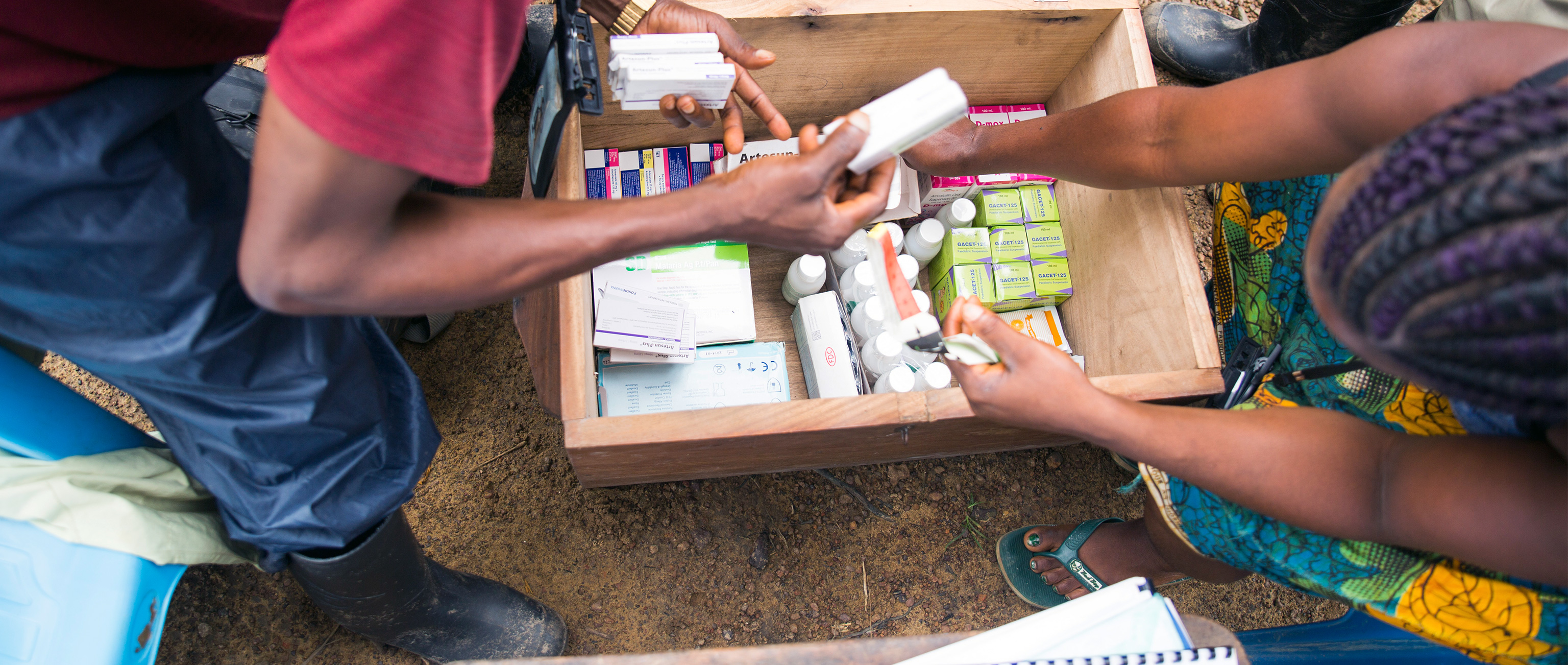
Back in the fall of 2017, the Skoll Foundation joined several other funders—Richard Chandler, Bill and Melinda Gates, The Rockefeller Foundation, and Rohini and Nandan Nilekani—to commit $500 million for…
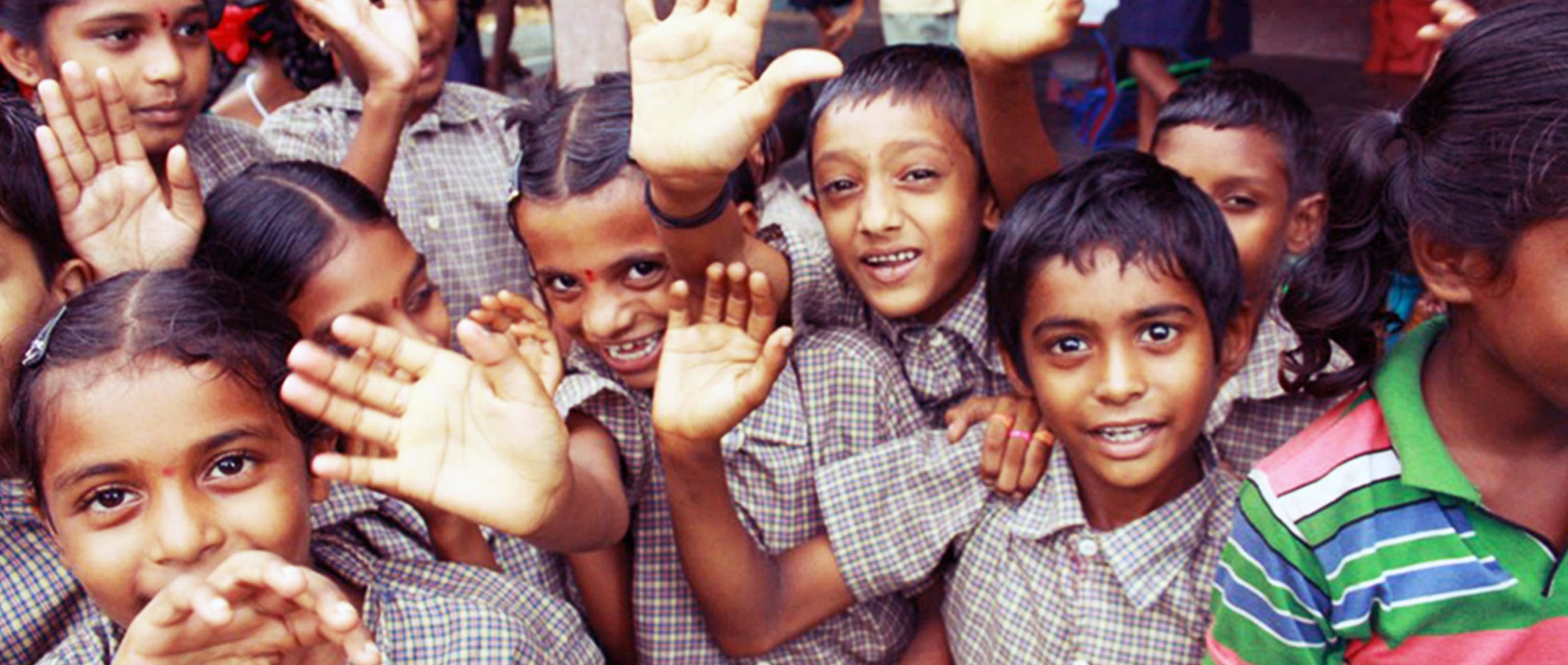
In rural India, half of village children can’t read or understand math at a level appropriate to their age and grade. This disparity in education creates ripples through society; it…