Skoll Foundation


Forest Trends Association

Skoll Entrepreneur(s): Michael Jenkins
Focus Area(s) Addressed: Deforestation
Award Year: 2010

(Click here to print)

DESCRIPTION:

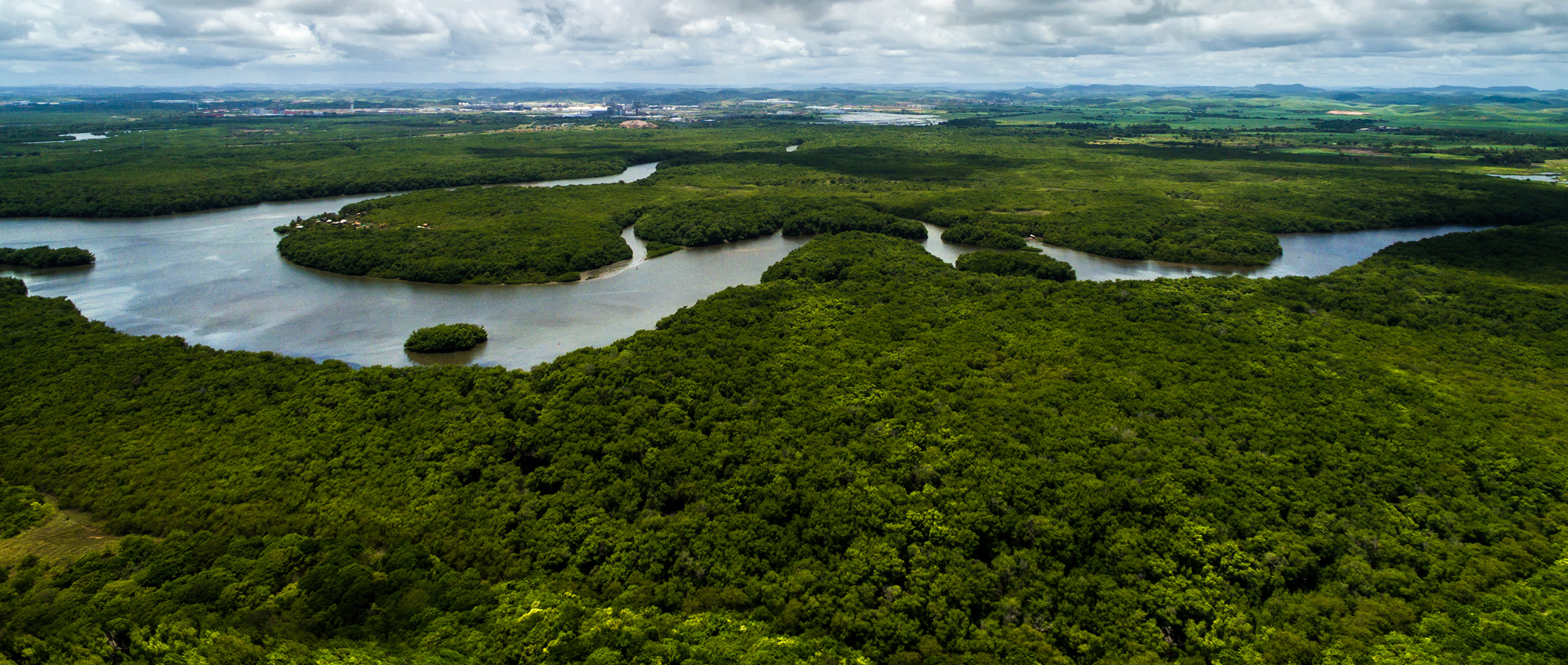
As a forester in Haiti and Brazil, Michael Jenkins saw the effects of extreme degradation of natural ecosystems on poor people and understood that traditional philanthropy alone was insufficient to solve the problem. At the MacArthur Foundation, he reoriented the sustainable forestry program to take a whole-systems approach that outlined the forest “value chain” and identified strategies to build financial and community sustainability within the system. He founded Forest Trends in 1998 to highlight the market value of natural ecosystems to promote their conservation. Forest Trends is widely credited for advancing the concept and practical application of “payments for ecosystem services,” an innovation that is gaining widespread momentum as a powerful conservation tool for forests and ecosystems.

IMPACT AS OF JAN. 2013:

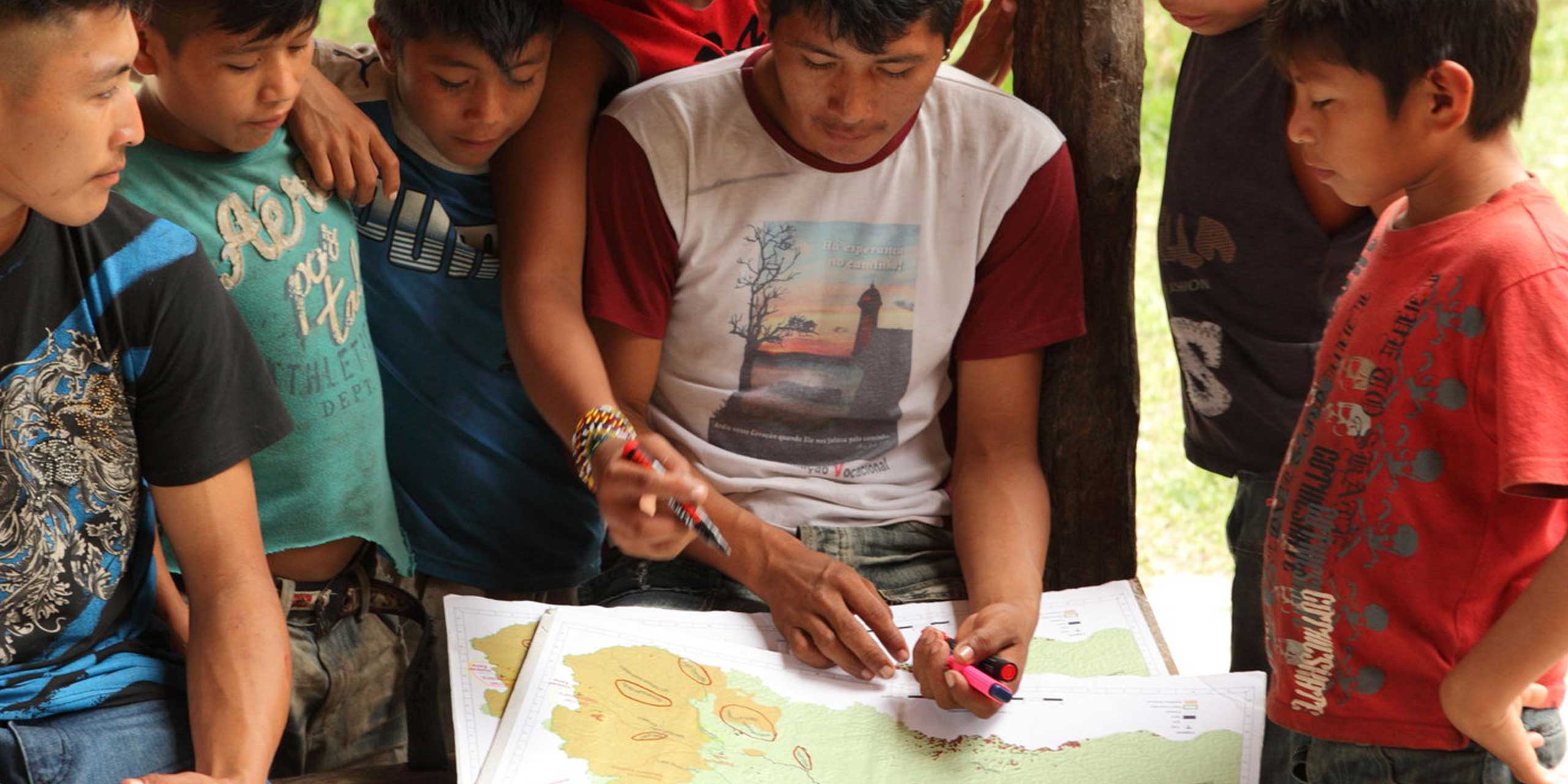
  • On 2012, the Surui was the first indigenous tribe globally to earn carbon credits under internationally recognized standards for capturing carbon in trees, part of the Skoll-supported Amazon Corridors initiative. This resulted from years of terrific work by many, including ACT and Forest Trends
  • In Jan. 2013, published new paper, Charting New Waters: State of Watershed Payments 2012
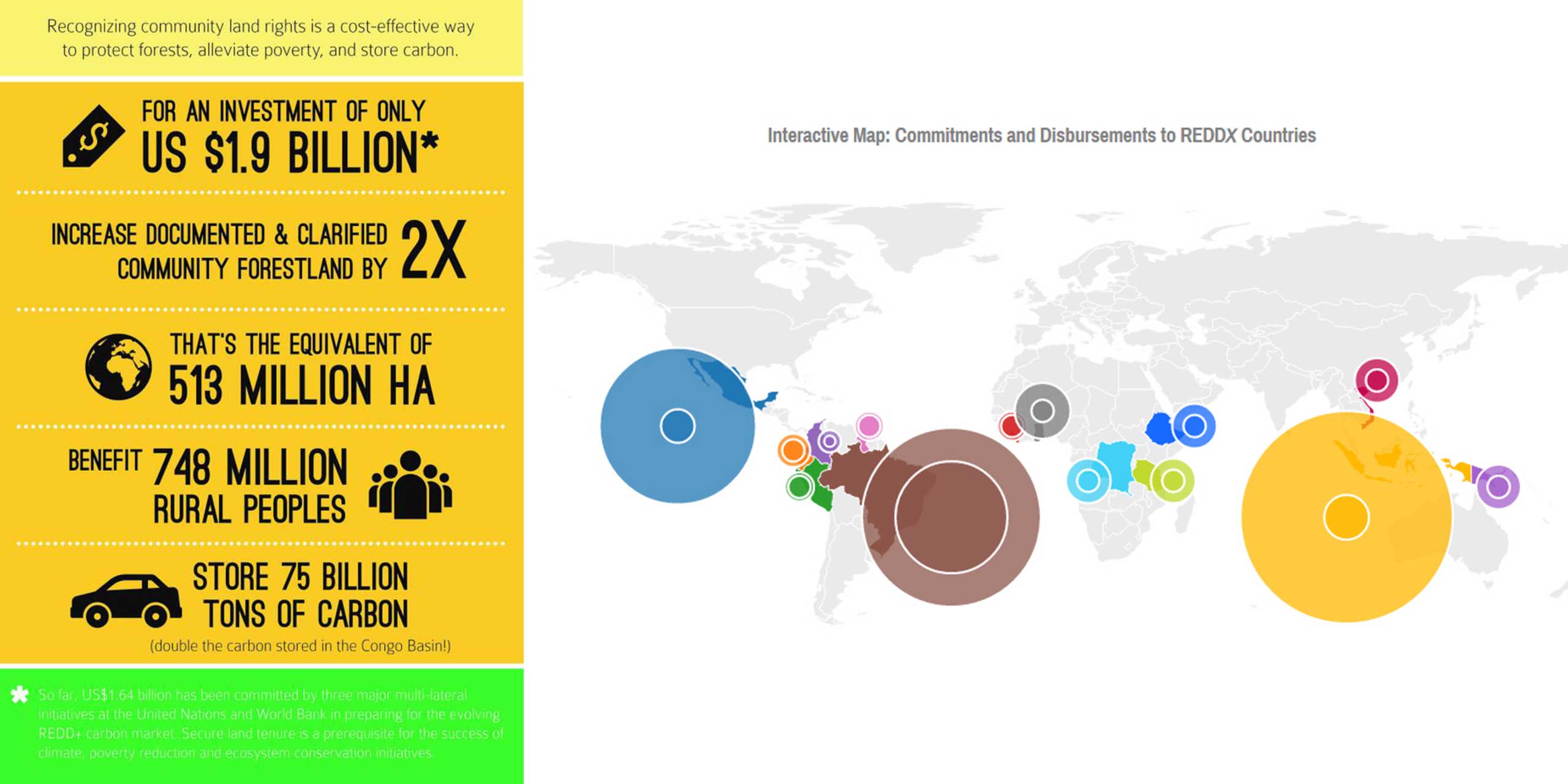
  • In Nov. 2012, published new report noting that the price of forest carbon credits doubled in 2011, leading to a record market value of $237 million. The report, Leveraging the Landscape: State of the Forest Carbon Markets 2012, aggregates data from 451 individual forest carbon projects historically.
  • Widely credited for “catalytic impact” in advancing the concept, understanding and practical application of PES, particularly in convening key stakeholders with ability to move this approach to conservation forward.
  • USDA created new Office of Ecosystem Services and Markets as a direct result of Forest Trends providing training for its senior management team for 5 years. It’s the first time a new USDA office has been created in 30 years.
  • Has built the premier global information service on ecosystem service markets — Ecosystem Marketplace.
  • Has convened 15 Katoomba Group events internationally with thousands of participants, leading to development of informal communities of experts that have further advanced PES issues, including establishment of a $50 million ecosystem service program in Mexico and advancement of PES legislation in Colombia, Malawi, Peru and Uganda.


LEARN MORE ABOUT THEIR WORK:

Tonight we honor nine individuals representing seven organizations doing work in environmental sustainability, economic opportunity, community development and conflict resolution.

They work throughout the world in the US, Africa, Indonesia, Latin America , Afghanistan, and beyond.

Jeff would you come, join me?

Forest Trends, Michael Jenkins. Michael Jenkins is harnessing the power of the market to protect rather than destroy tropical forests.

Working in Haiti and Brazil early in his career, Michael saw the effects of extreme degradation of natural ecosystems on poor people.

He began promoting a whole systems approach to forest protection.
One that embraced the entire value chain of forests, including among other things their role in purifying and retaining fresh water and absorbing carbon, creating Forest Trends in 1998.

Michael and Forest Trends has helped translate concept to currency by initiating a payments for eco- system services model, that is gaining increased traction in development and in markets. Michael Jenkins.

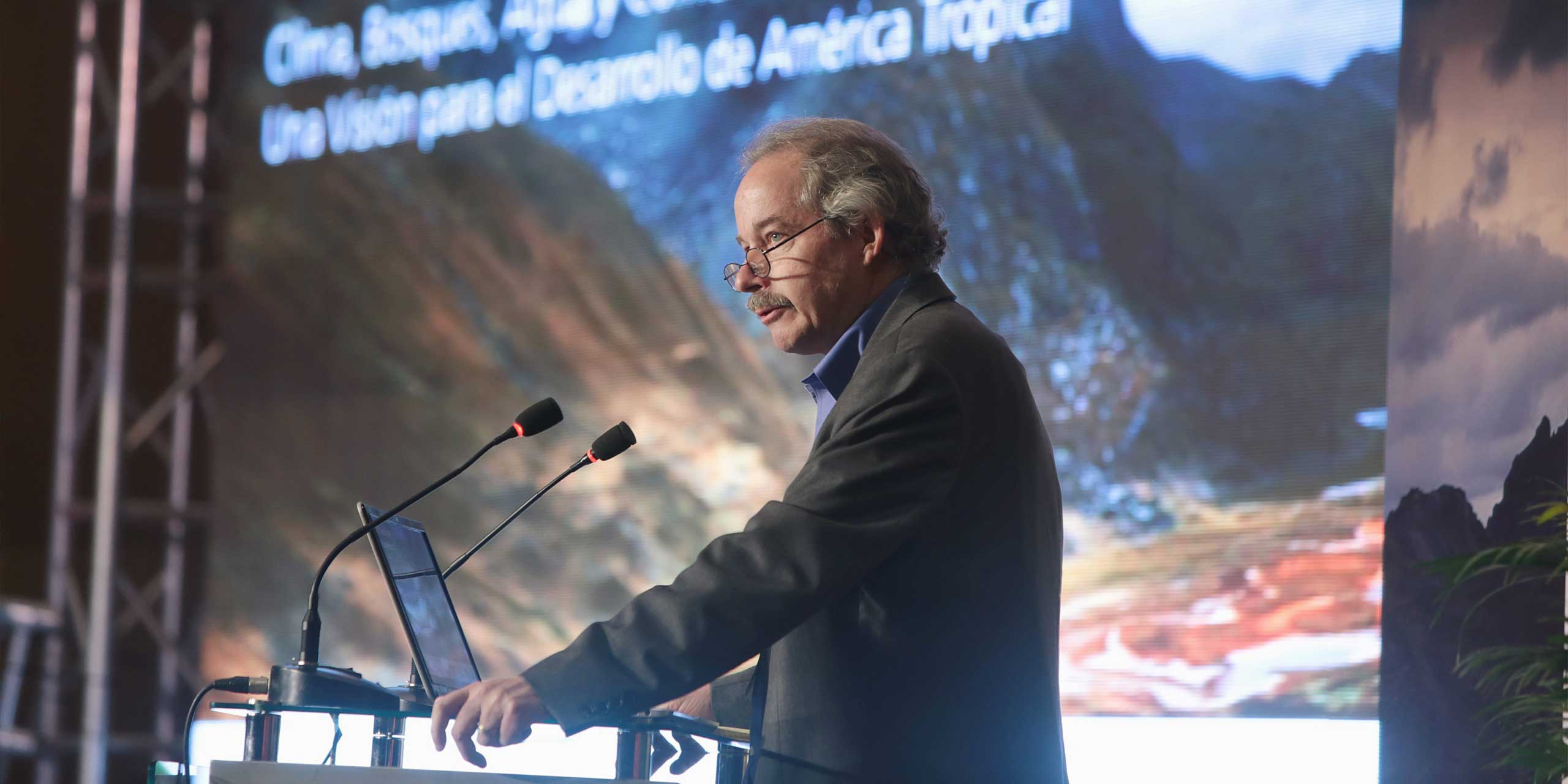
Thank you very much, Sally.
And thank you very much, Jeff . I am also an optimist. And having worked in forestry for 30 years now. And having seen a lot of terrible things. And recognizing the huge challenges that are ahead of us. And nine billion people in a world, that is going to happen quite quickly.

350 parts per million is probably going to be what we really need to keep a climate environment that we could live in.

But in spite of that I'm an optimist, because I think we're finally starting to get handles on some of the possible solutions that I think are going to go to scale.

And these are these emerging environmental markets that we see.

We're all familiar with carbon markets and the failure of Copenhagen. And carbon markets will continue on, but we also are seeing opportunities around water, clean water, and we are seeing opportunities about bio-diversity.

So, the power of these new, emerging markets and capitalism is what gives me great optimism.

I like to think about it as building the natural infrastructure fund of the planet. We spent a lot of time this morning with folks in the financial community talking about built infrastructure.

We all know how to invest in power-plants, and sewers, and roads. It's about time that we start thinking about that natural infrastructure that's really fundamental to the our existence on the planet. But I think that concept people are starting to get more and more.

The uh, the Skoll gift for us means a couple of things that are really important.
One, nimbleness.

We are a small, yet ambitiously global, organization that's trying to move around these issues. We are trying to keep pace with all of the other things like the changing pace of climate.

Or the changes in the marketplace. Or the changes in communication tools.

The pace of those, or the pace of changing local communities, which, of course, is very, very different. But what core support from Skoll means to us is that we can move at that pace.

Very, very unusual in the donor community to allows to keep pace.
So that's one of the fundamental things that's part of this gift.

We also like to think of the modern

Although the institutional model that we've created is connective tissue.
So, when we started Forest Trends, we said, we don't need to put another dot on the map of another organization. What we need to do is figure out a way to connect all of those organizations, and those businesses , and those communities that are out there so we can be more effective at the work we do.

So that core support allows us to, to do things like work at the local level with a group like the Sutoi and Rondonia Brazil, helping them figure out how they can get into these emerging environmental markets, linking them in to the conversations that are happening in Copenhagen.
The policies that are being developed in Copenhagen.

So that everybody can see that there is an opportunity for a new emerging market that can reward local communities, indigenous groups, for the critical roles they play.

Another part of this nimbleness that' s, that's important is to be able to speak and to bring together very unusual stakeholders.

So it's not only the million NGOs and research institutions that are out there, and community groups, but it is an equally long list, I hope, and a growingly long list of unusual partners. So it's businesses that are recognizing that environment is fundamental to their business, and it is financial institutions that are starting to think out of their boxes and starting to understand these notions of natural infrastructure and the value of that.

Jeff, last night, when we heard Paul Farmer talk a little bit about Haiti. It was really striking to me because I also spent a lot of time in Haiti, and I also will go back to Haiti, and I will do what I can do, and what we can bring with Foresttrends to help solve that problem.

But it is going to be as he said, a different way of doing it. We will be able to plant trees. And by planting trees, we will, hopefully, help protect some of the water sheds. And by protecting some of the watersheds, we will also hopefully create jobs.

And by creating jobs we will provide opportunities for energy sources, charcoal that comes from those trees. And hopefully leading in to Paul and the work he does in clean health.

So, that's another part of that nimbleness that Skoll gives us that's going to be so valuable for us going forward.
Thank you so much.
 

© 2013 Skoll Foundation.