

Fair Trade USA (FTUSA) is an entrepreneurial nonprofit organization that is the leading certifier of fair trade products in the United States. Through regular visits to fair trade farmer cooperatives conducted by Fairtrade Labelling Organizations International (FLO) and partnerships with U.S. companies, Fair Trade USA verifies that the farmers who produced fair trade certified products were paid a fair price.
The organization currently certifies 18 product categories from coffee and tea to fruit and wine. This unique market-based model links farmers and workers in the developing world to nearly 900 U.S. companies to bring benefit to farmers and ethically sourced products to consumers. Recognized as a leading social venture by the Skoll Foundation, the Clinton Global Initiative, and Ashoka, Fair Trade USA partners with foundations, nonprofits, and industry leaders to innovate the fair trade model and address critical challenges facing farmers, workers, and fishers. The organization also helps brands and retailers tell their stories of impact and educates consumers about the power of their purchase.
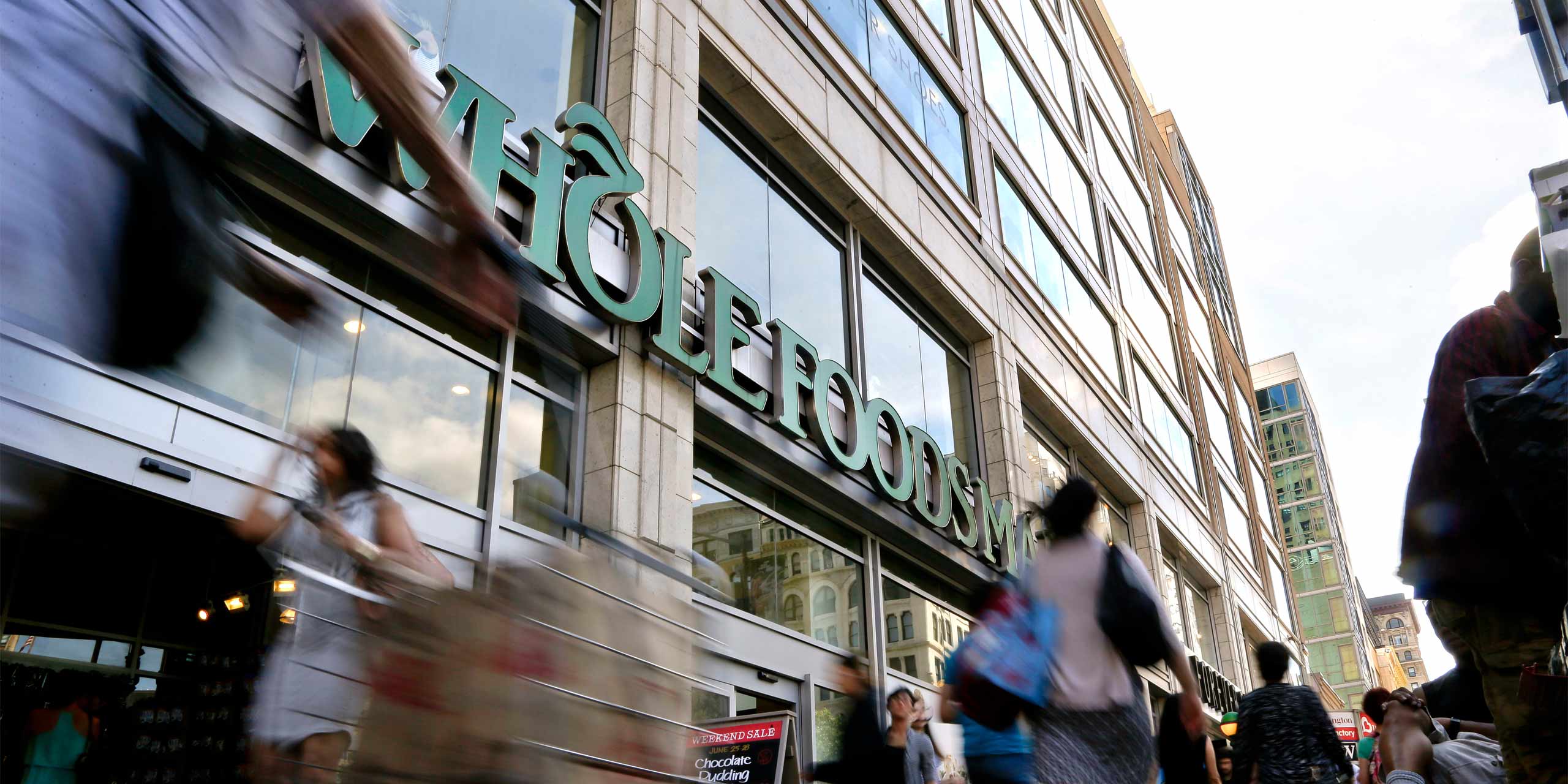
Only a tiny fraction of goods sold in the global market are produced in systems that independently verify compliance with fair pricing, labor, and environmental standards.
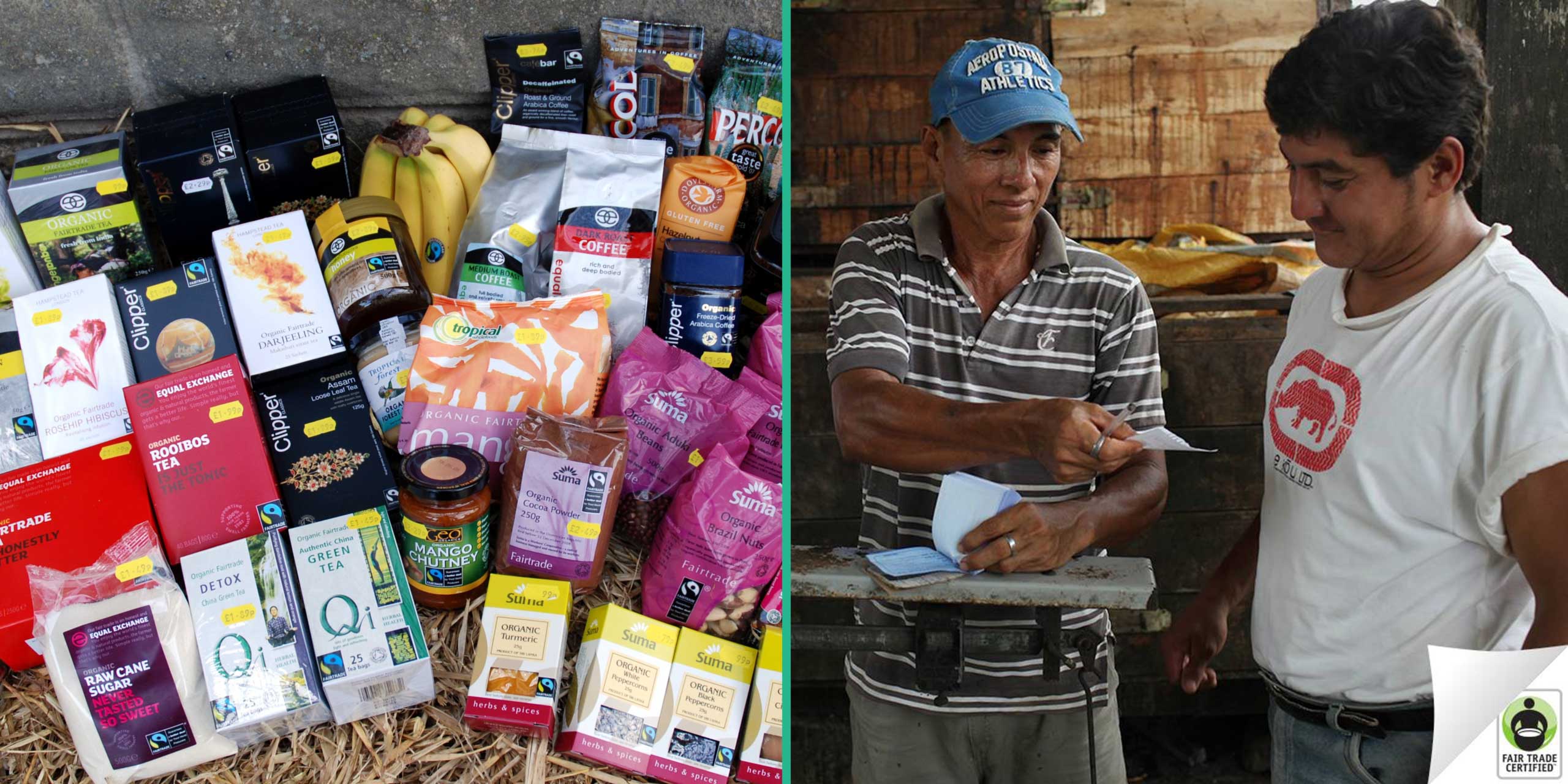
Fair Trade USA audits and certifies goods produced in compliance with standards, and educates consumers and others in the supply chain.
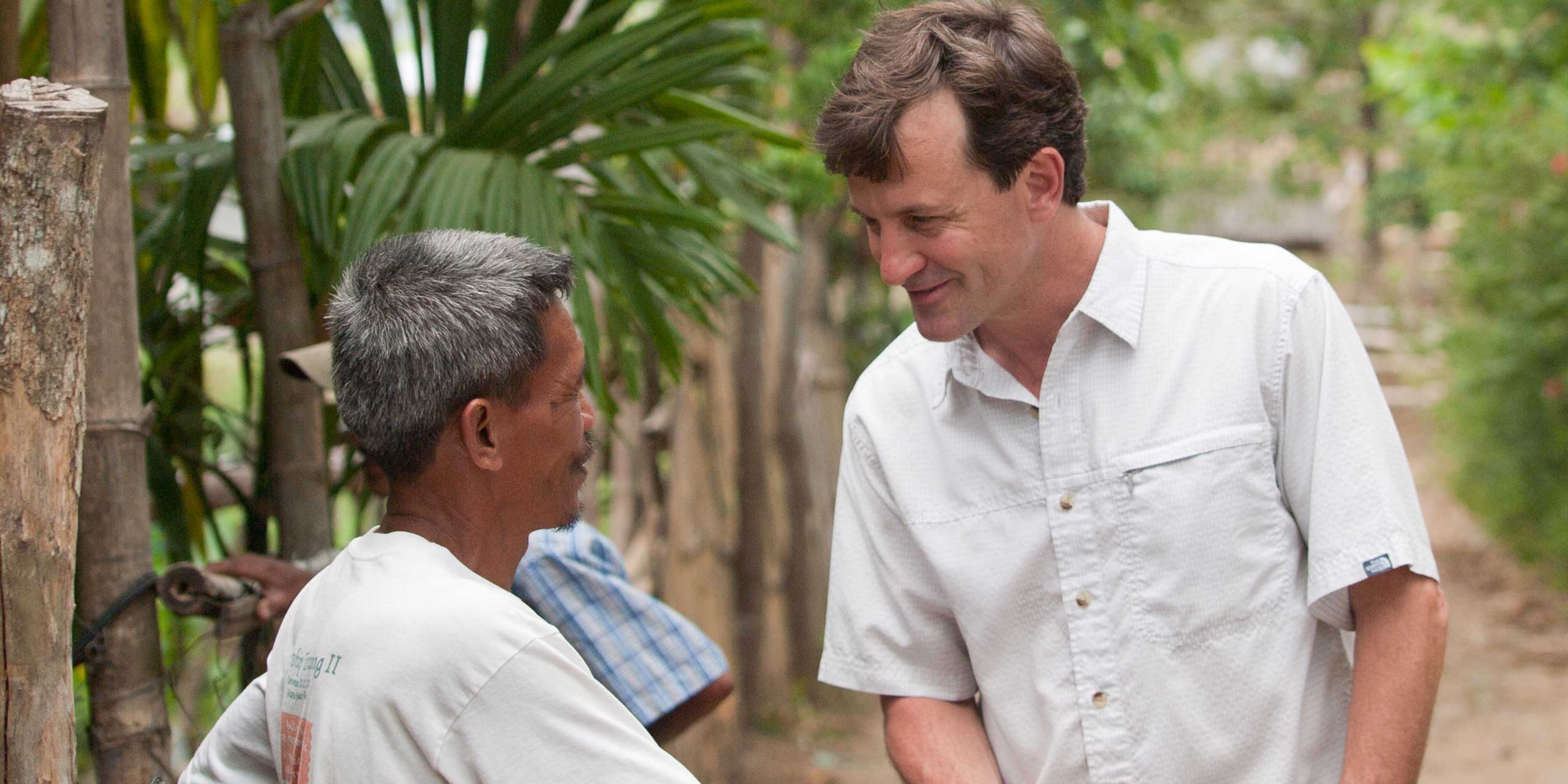
When major brands and retailers source certified goods, local producers can support their families and manage resources responsibly.
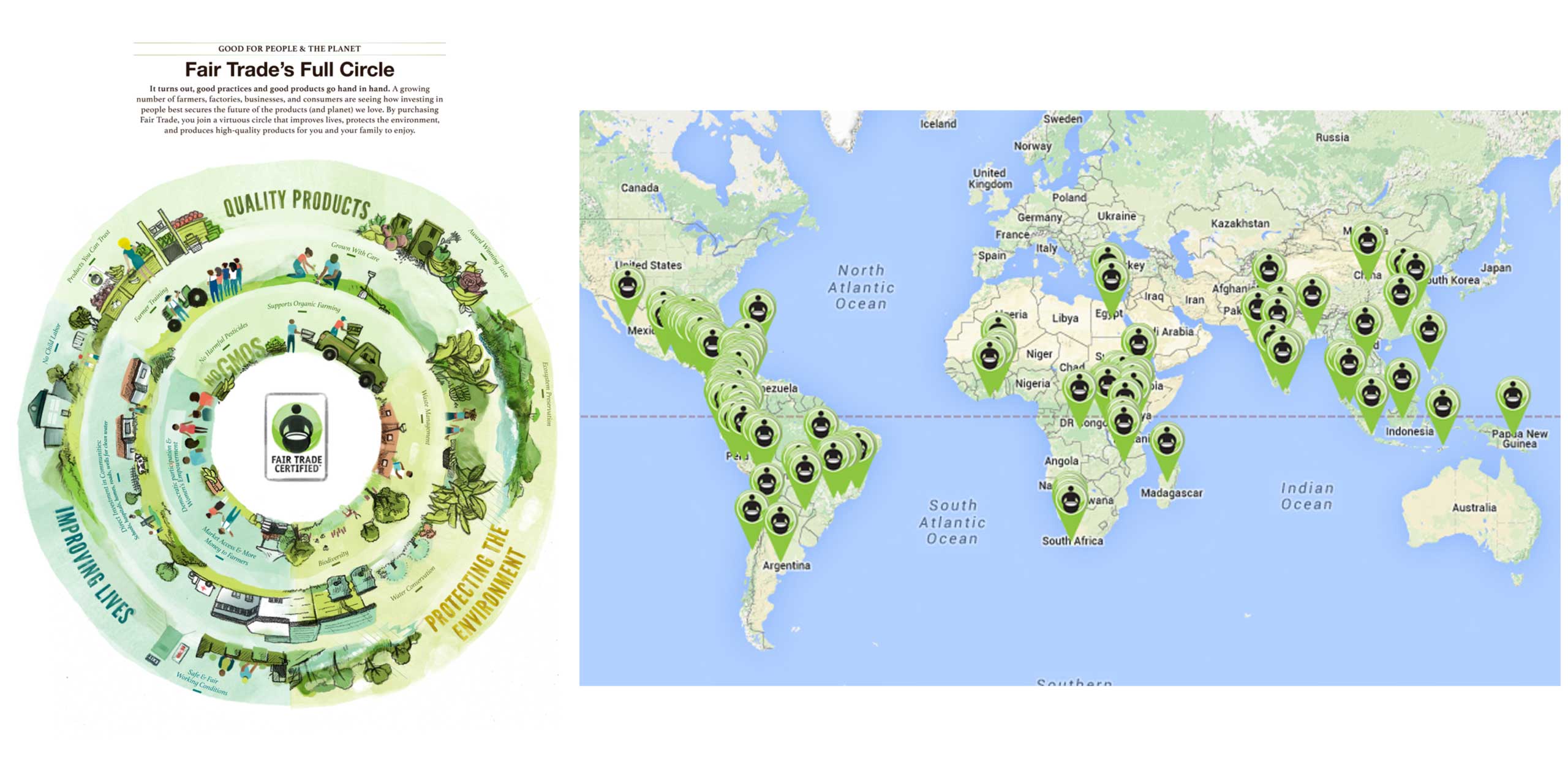
More than 1.3 million farmers and workers in 70 countries participate in Fair Trade.
Our theory of change frames a global model in which people prosper in resilient communities by building a market for responsible business and mutually beneficial trade that cultivates conscious consumption. Companies rely on FTUSA to ensure growth and secure supply chains. Producers have more sustainable livelihoods and can invest in their community.
FTUSA is investing in technology platforms to scale fair trade, streamline onboarding and reporting for businesses, improve communication with producers, and increase consumer engagement. Consumer education campaigns and commitments by major brands and retailers will increase demand and bring Fair Trade USA into the mainstream.

Founder & CEO, Fair Trade USA
After working for more than a decade in Central America and helping Nicaraguan coffee farmers improve their livelihoods through an organic coffee export cooperative, Paul Rice launched Fair Trade USA (previously known as TransFair USA) in 1998 to bring the fair trade movement to the United States. Fair Trade USA, a nonprofit organization, promotes a market model that guarantees farmers and workers a fair price for their products, direct market linkage, and access to credit and support for sustainable agriculture. As the leading third-party certifier of Fair Trade products in North America, Fair Trade USA audits and certifies transactions between companies that offer Fair Trade products and their international suppliers to guarantee compliance with Fair Trade standards and principles. As a development agency, Fair Trade USA educates consumers, builds supply chains for Fair Trade, brings new manufacturers and retailers into the system, and provides farming communities with the tools, training and resources needed to thrive as international businesspeople.
Since Fair Trade USA was founded in 1998, producers have earned more than $610 million in additional revenue through sales of fair trade Certified products, as a result of the Fair Trade minimum price and community development funds to producers. There are more than 1,250 responsible businesses dedicated to Fair Trade USA standards, benefiting more than 960,000 farmers, fishers, and workers in 47 countries across Africa, Asia, Oceania, Latin America, and the Caribbean to reach better terms with their trading partners. Fair Trade USA offers the broadest scope of fair trade labels, including the only fair trade certifications available for seafood as well as factories producing apparel and home goods.