

The Afghan Institute of Learning (AIL) uses a holistic approach to education and good healthcare, especially for women and girls. AIL goes to a community only when it has been requested. The community states what it wants and AIL sees how it can help. AIL provides evolving programming including training teachers in interactive teaching methods on peace, leadership, literacy learning through texting on mobile phones, health and human rights, democracy and elections, so they can pass this onto their students.
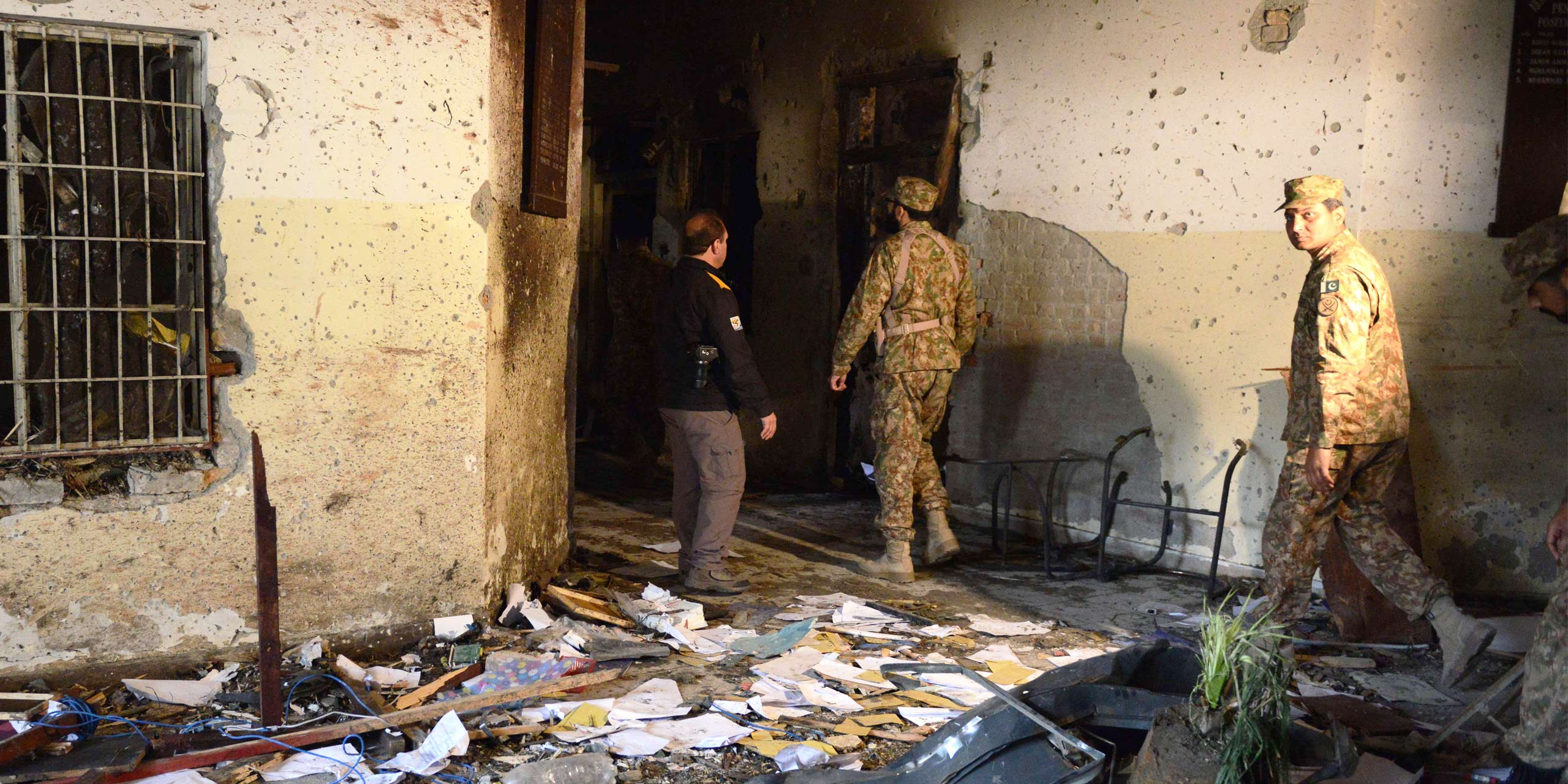
Thirty years of warfare have destroyed Afghanistan's education and family service systems.
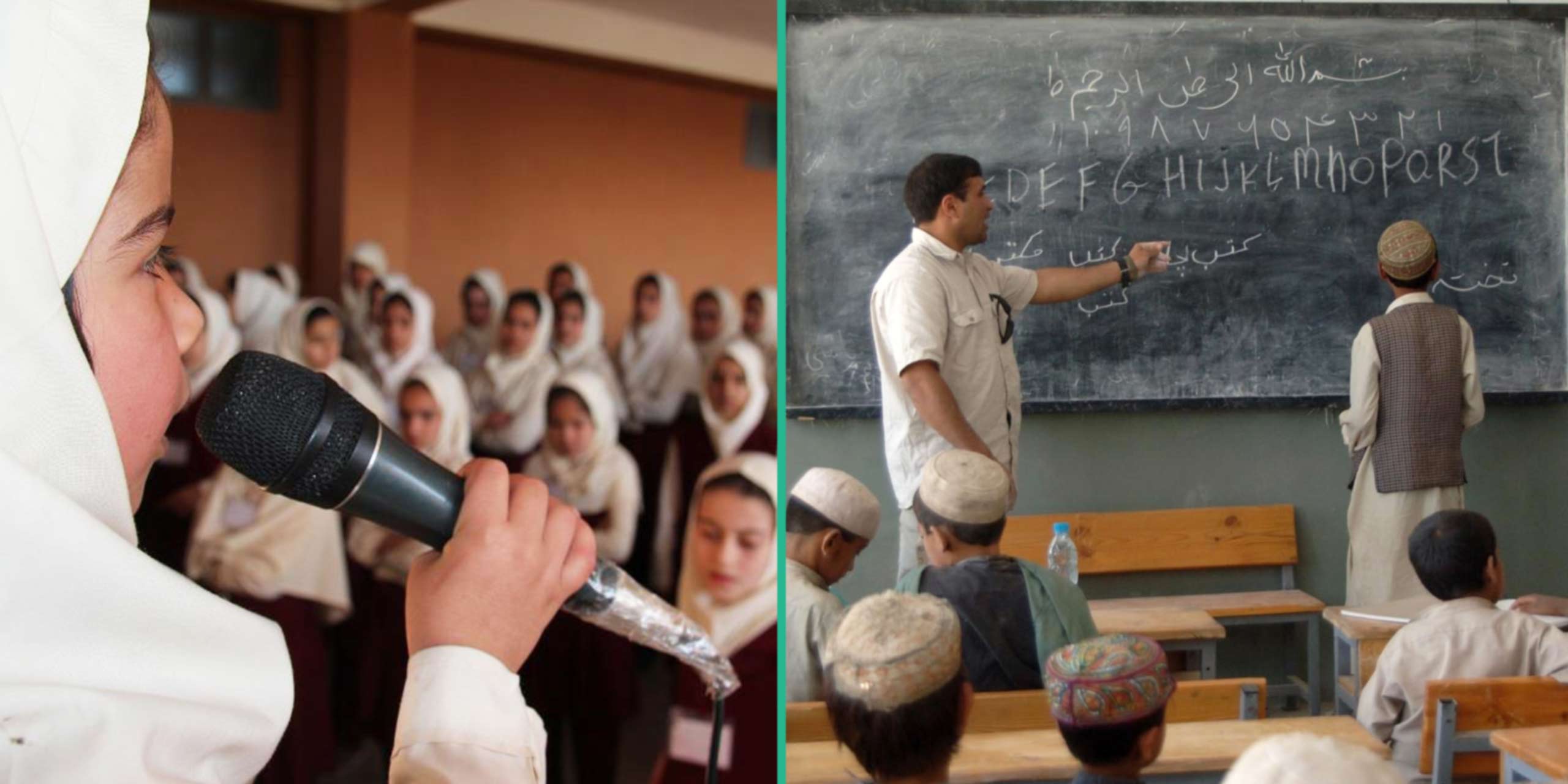
AIL's Learning Centers provide comprehensive health and education services.
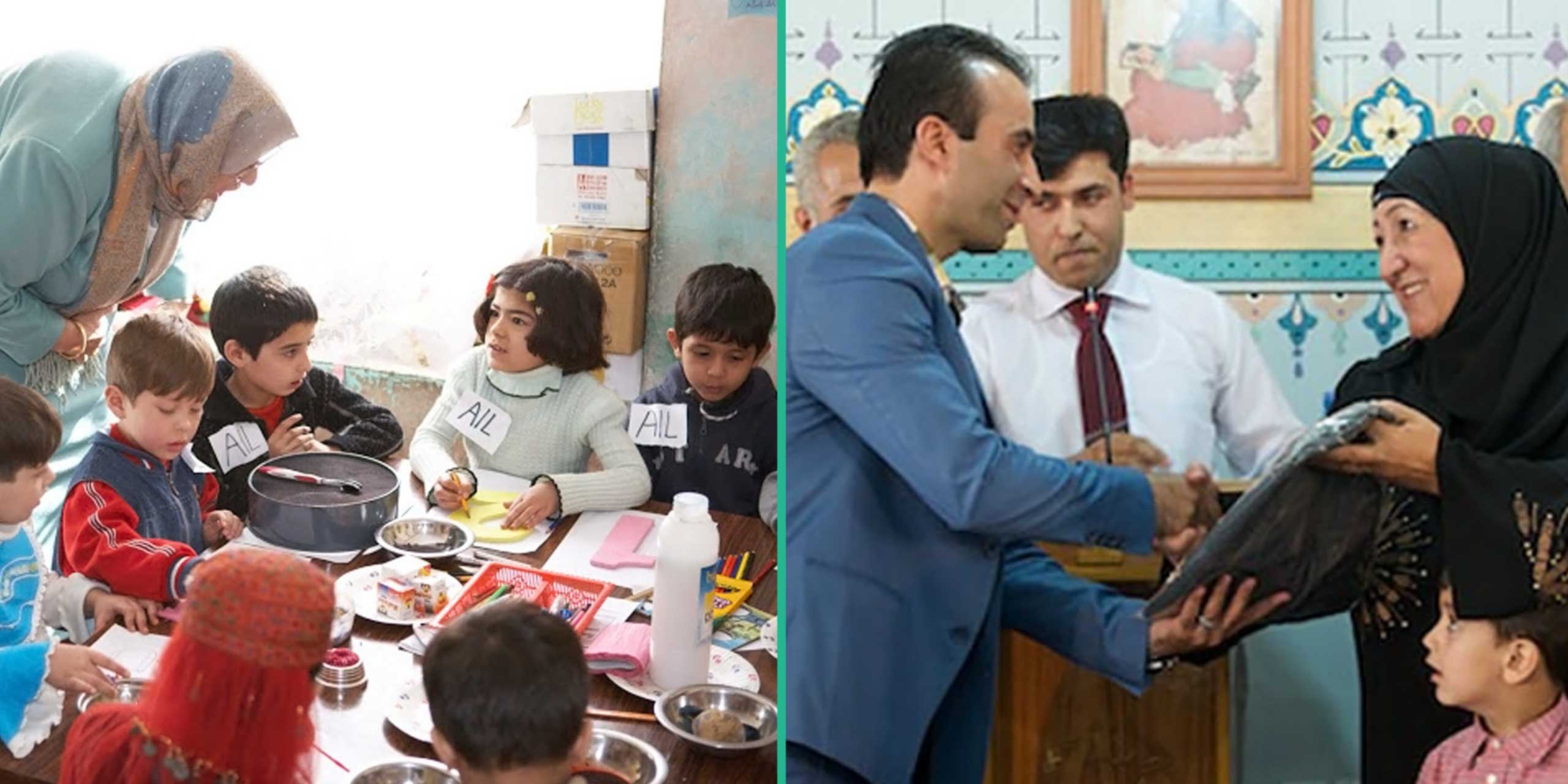
AIL's vision is a peaceful Afghanistan where everyone knows how to read and has quality family health care.
Provide all Afghans with programs to relieve their suffering, enabling them to raise their educational, health, social, and economic levels and be able to solve their own problems. Foster self-reliance and trust by involving Afghans in program decision-making processes. Require community participation and contribution in all programs.
Empower communities to become self-sufficient and no longer reliant on AIL, thus inspiring other communities to do the same on their own or with AIL’s temporary assistance.
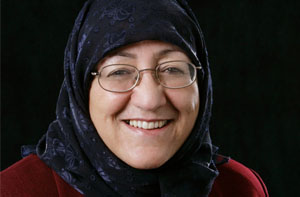
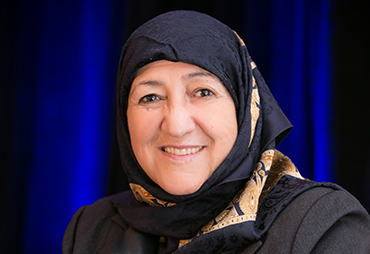
President and CEO, Afghan Institute of Learning
Born in Herat, Afghanistan, Sakena Yacoobi came to the United States in the 1970s to earn her bachelor’s and master’s degrees in public health. In the 1980s, she worked as a health consultant at D’Etre University in Michigan. From 1992 to 1995, she worked for the International Rescue Committee in Pakistan, increasing the number of Afghan refugee girls enrolled in IRC-supported schools from 3,000 to 15,000. During that time, she also served on the Agency Coordinating Body for Afghan Relief delegation of the United Nations, as well as on the United Nations Rehabilitation Plan for Afghanistan. During the mid-1990s, funding for education and health programs in Afghanistan was cut dramatically as a result of the Taliban’s grip on power. Sakena was determined to keep education, training and health programs going, despite the Taliban’s opposition. From her experience working with many Afghans in the refugee camps, Sakena realized that a new approach was needed. She founded the Afghan Institute of Learning (AIL) in 1995 to address these issues. Dr. Yacoobi and AIL have received many awards including the Sunhak Peace Prize (2017), the Harold W. McGraw Prize in Education (2016), the WISE Prize for Education Laureate (2015) and the Opus Prize (2013). Dr. Yacoobi has also been nominated for the Nobel Peace Prize.
Since 1996, AIL reports that over 474,056 students have attended AIL schools and learning centers. AIL has trained a total of 29,150 teachers, benefiting at least 10.7 million Afghans. Over 43,000 students have participated in leadership, human rights, capacity, and health workshops. AIL’s health clinics have provided services to 3.1 million patients and given health education to 3.2 million women and children. More than 70 percent of AIL beneficiaries are female. More importantly, in areas where AIL has partnered with communities, there have been dramatic changes in thinking. Education is accepted as valuable for all, including girls and women. Community members trust their neighbors and have learned to work together. Communities recognize the value of education for women and girls and hold positive attitudes toward women working and holding leadership positions. AIL’s work is known and respected throughout Afghanistan. Many communities model their programs after those of AIL. AIL’s preschools have been the model for the nation. AIL’s teacher training curriculum has been adopted by the Afghan government. AIL’s teacher training staff is considered one of the best in the nation. There is a long waiting list of places that would like to host AIL’s Love and Forgiveness conferences which provide a peaceful, culturally appropriate alternative to conflict in Afghanistan.