

Our economies are running Bernie Madoff-style pyramid schemes with the planet. As a result, humanity’s demands on nature now exceed what Earth can replenish, eroding our natural capital and compromising future resource regeneration. Like any such scheme, this one, if unattended, is bound to lead to a crash. Such a crash would unravel much of our progress.
Global Footprint Network started in 2003 to reverse these trends and escape the ecological pyramid scheme. Since today’s decisions shape our future, the Network focuses on shifting decision-making toward creating a world where all can thrive within the means of our planet (“one-planet prosperity”). The challenge is to show decision-makers that decisions made in sync with our planet’s physical reality produce better outcomes for them, and for the world.
Global Footprint Network’s offering is built on a comprehensive resource-accounting approach that allows countries, cities, and companies to assess how much demand they put on nature against how much Earth’s ecosystems can regenerate. Results show how resource deficits are undermining success and how resource security is becoming the enabling factor for prosperity. The Network also develops empowering psychological approaches and effective narratives designed to shape the common understanding that sustainability is necessary for one’s own success. Inspiring and actionable case studies produce a sense of ownership (“skin in the game”) and generate measurable outcomes.
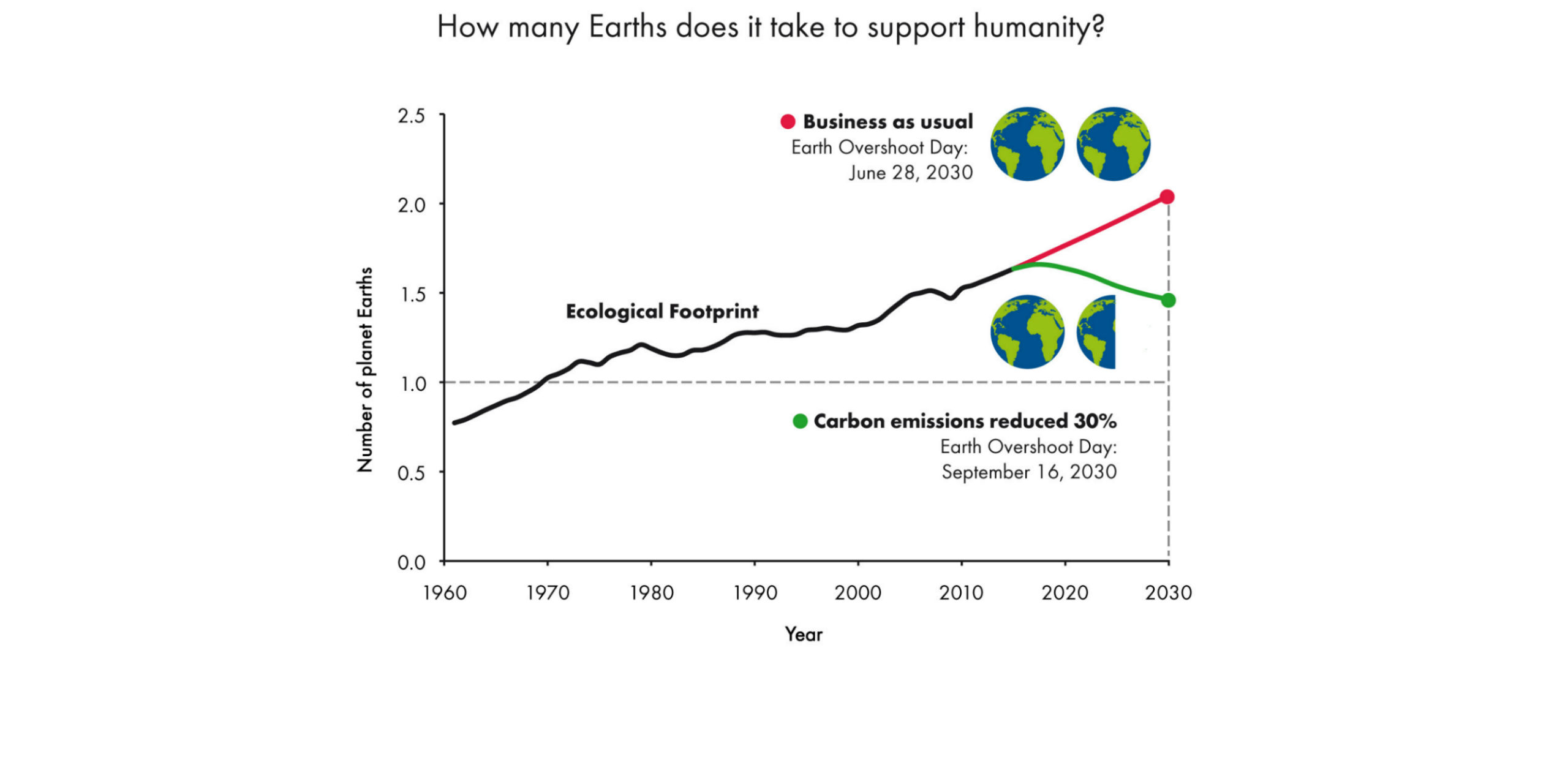
Human demand for ecological resources and services is in a state of "ecological overshoot", with demand exceeding supply by more than 60 percent.
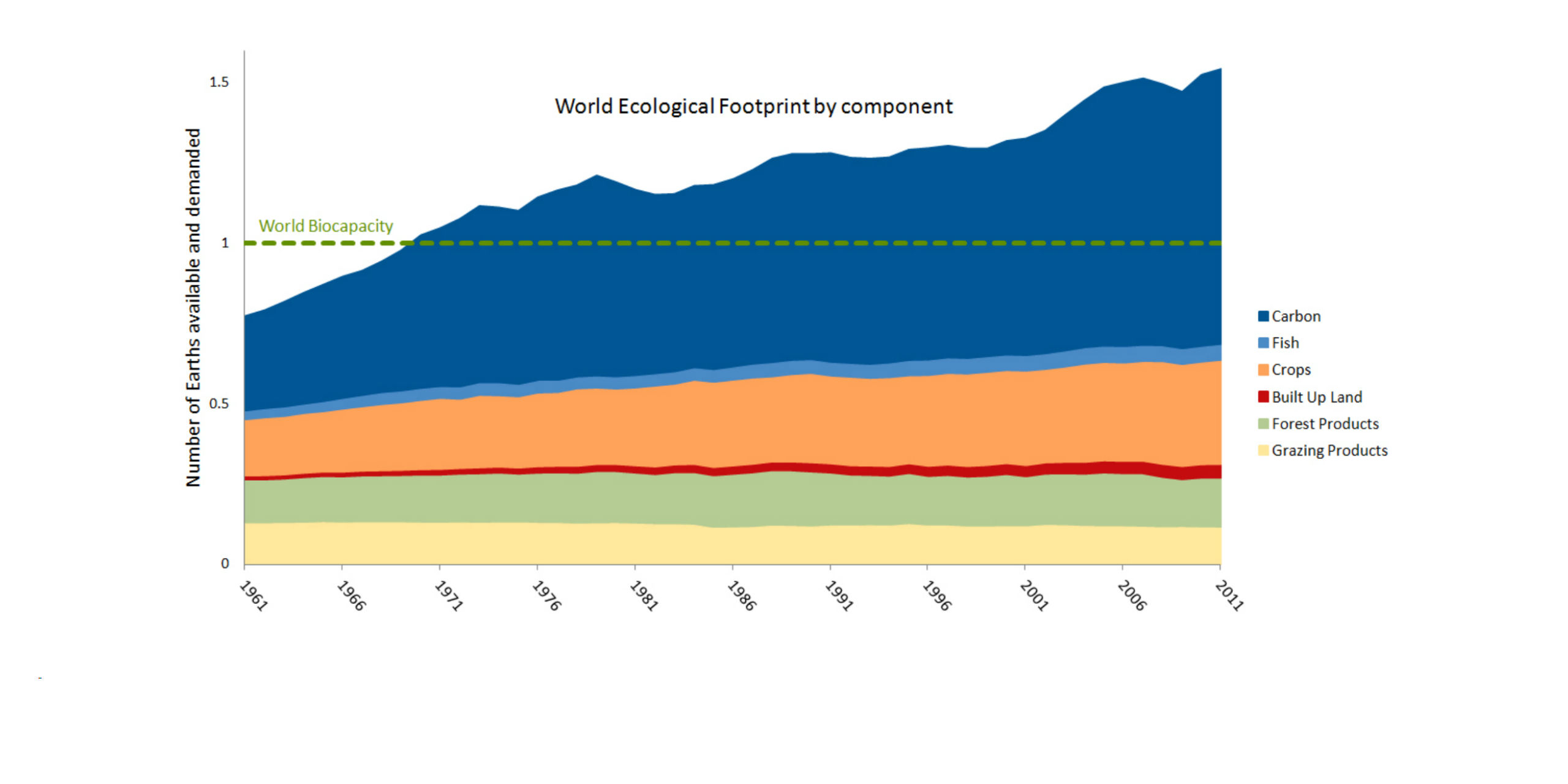
GFN coordinates research and standards, and gives decision-makers data to face tightening resource constraints.
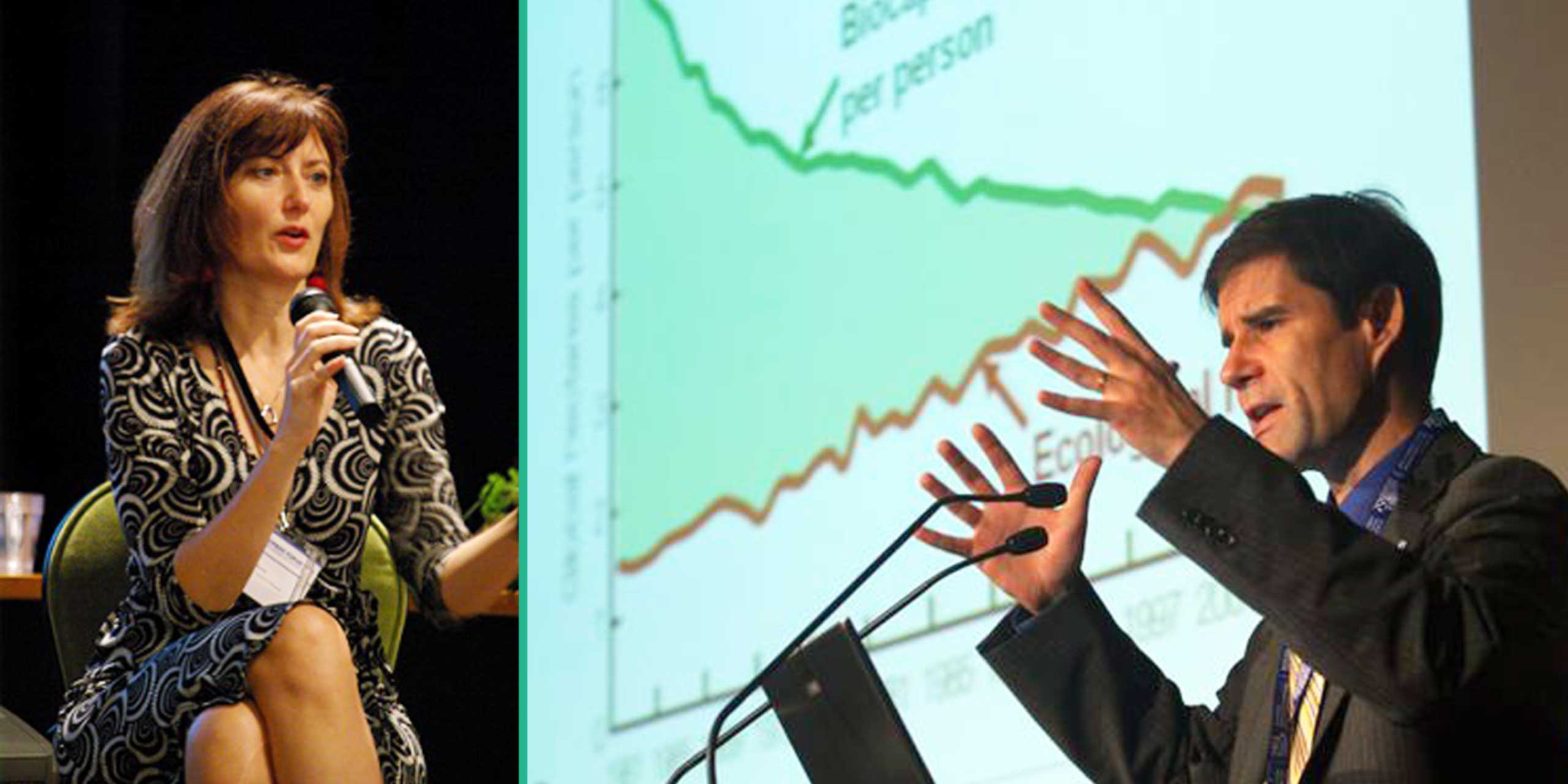
Founders Susan Burns and Mathis Wackernagel seek to maintain human well-being through recognition of ecological limits.
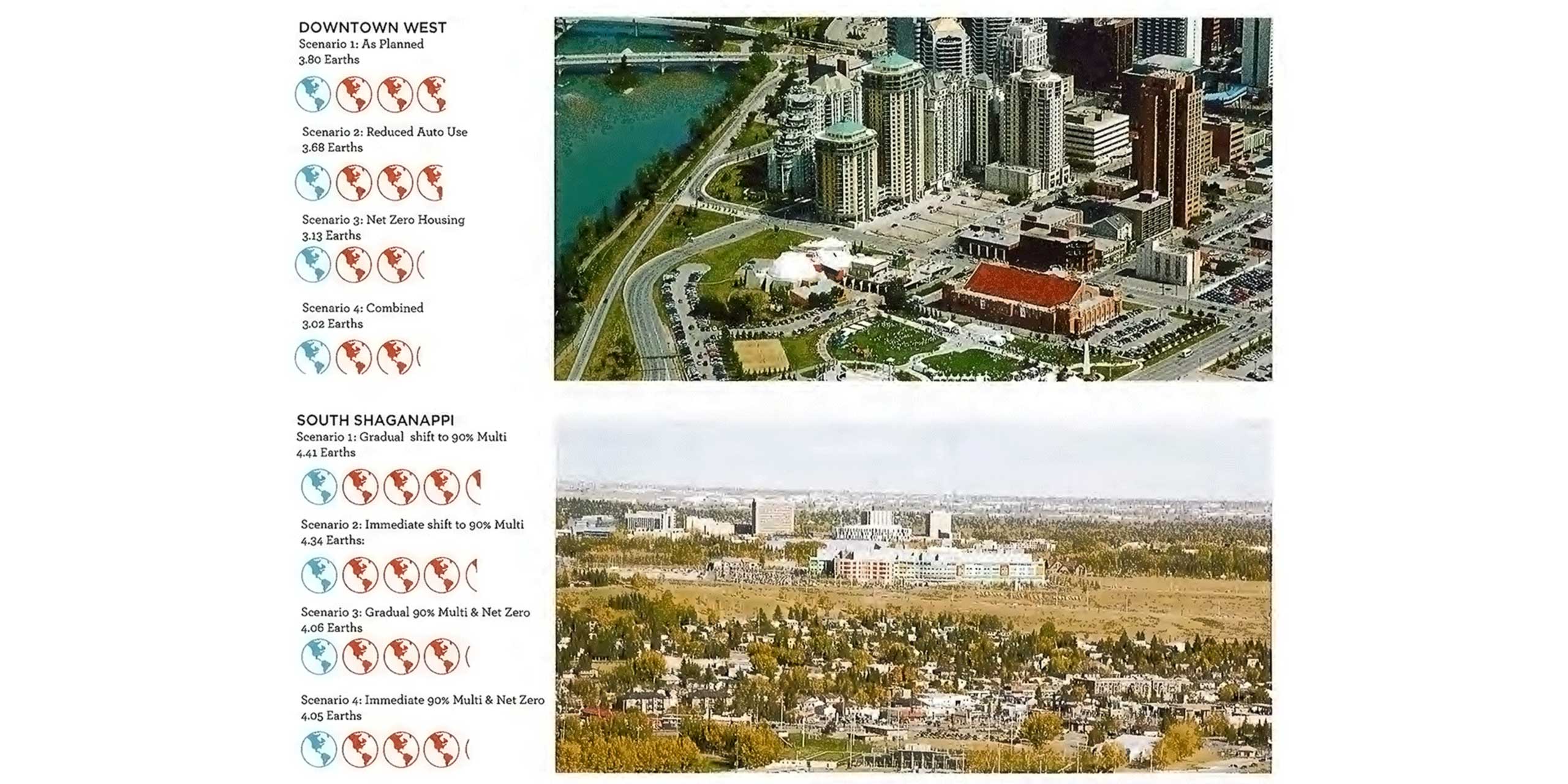
More than 57 nations have worked with the Global Footprint Network.
Governments and companies make decisions consistent with the vision that all can thrive within the means of our one planet.
In five years, our campaigns, including Earth Overshoot Day and #MoveTheDate, reach 10 billion media impressions, 10 million actively participate, and one million use Ecological Footprint data as input to their decision-making.
We strive to shift decision makers’ mindsets toward a deeply personal commitment where they recognize that one-planet compatible action is essential for their own success. We achieve this by producing robust data, tools, and analyses. We promote it by running large-scale engagement campaigns that help shape public discourse.
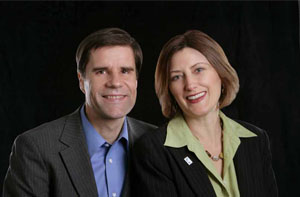
Advisor, Global Footprint Network
Founder, President, Global Footprint Network
Mathis Wackernagel’s father introduced him to The Limits to Growth when he was 10, and he grew up with a vivid awareness of the potential for global ecological disruption. Mathis became an engineer to advance the theme of “small is beautiful” and renewable energy. He developed the Ecological Footprint while completing his Ph.D. at the University of British Columbia. He co-founded Global Footprint Network as the vehicle to apply his landmark work to influence individuals, businesses and governments to conserve, protect and live in balance with our earth's bounty. Susan Burns, also an engineer, is a lifelong nature enthusiast and founder of Natural Strategies, a sustainability consulting firm. Susan created a business case for sustainability and promoted innovative concepts in pollution prevention and industrial ecology. The couple launched Global Footprint Network in 2003 to advance the Ecological Footprint, coordinate research, develop methodology standards and provide decision makers with resource accounts to help humans operate within the Earth’s ecological limits.
Susan transitioned out of executive leadership to focus on leading Global Footprint Network Finance for Change program in 2016, but remains on the Board.