Skoll Foundation


One World Health

Skoll Entrepreneur(s):
Award Year: 2005
Focus Area(s) Addressed: Healthcare Access and Treatment

(Click here to print)

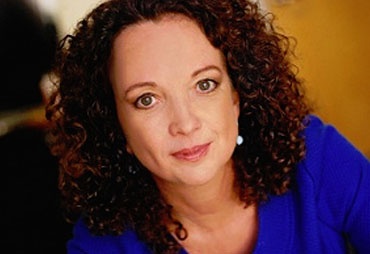
Working for the Food and Drug Administration in the early 1990s, Victoria Hale saw many promising new medicines abandoned or not developed to their full market potential. Diseases such as visceral leishmaniasis, long ignored and often fatal, needed special and urgent attention. In 2000 she founded the Institute for OneWorld Health to address the gap between global infectious diseases and pharmaceutical opportunities. Victoria has since left and founded a new nonprofit pharmaceutical company, Medicines360, focusing on unmet needs of the world’s women and children. It is a self-sustaining social enterprise, founded with philanthropy, driven by global health inequity, and sustained by revenues. Initial focus areas are contraception and neglected/orphan diseases.

IMPACT AS OF JAN. 2013:

  • As of Dec. 2011,  OneWorld Health (OWH) is an affiliate of PATH, bringing its drug development expertise and experience in neglected infectious diseases to bear on PATH’s mission of improving global health through innovation.
PAST IMPACT, AS OWH alone: 
  • iOWH has developed Paromomycin IM Injection as a safe, effective, affordable treatment for visceral leishmaniasis. Having received Indian regulatory approval after a series of clinical trials with over 1000 patients in Bihar, this success is being expanded into Bangladesh and Nepal. Paromomycin IM Injection has been included on the WHO’s Model List for Essential Medicines.
  • iOWH has collaborated with Roche Pharmaceuticals and Novartis to develop safe, effective, affordable medicines for diarrheal diseases that complement existing interventions like Oral Rehydration Therapy and zinc. These complement iOWH’s in-house efforts to develop a novel treatment for diarrheal diseases.
  • A unique partnership coordinated by iOWH is pioneering the use of synthetic biology to produce a reliable supply of artemesinin, an key component of treatment for malaria, at an affordable price. This bold approach will help stabilize the price and supply of artemisinin with a source that takes weeks, not months, to produce.


SEE THEIR WORK IN ACTION:

It was the year 2000. I was forty years old, and for two years I had been thinking about starting another type of pharmaceutical company.


One that would target diseases that no one was researching.
I was in this taxi cab, and I love to talk to taxi cab drivers. And he asked me what I did.


And I said I'm a Pharmaceutical scientist.

I'm here for a pharmaceutical meeting.


And he roared in laughter, and laughed very deeply!


And then said something that was extremely painful, and it really was a turning point for me.
And that it was, "you all have, all the money".

When he said that, I achieved a moment of clarity.
Why in our world, in the 21st century, were there people who had medicines for any, any disease,  any complaint! And, in other parts of the world, 5,000, 10,000 miles away, babies die of dehydrating diarrhea.

How can that be? That is not fair. If there's anything I could do personally then I had to do it. My name is Victoria Hale. In the year 2000, I founded the Institute for One World Health.

One World Health is a not-for-profit pharmaceutical company. We develop medicines for orphan diseases and diseases that no other company in the world is developing medicines for.

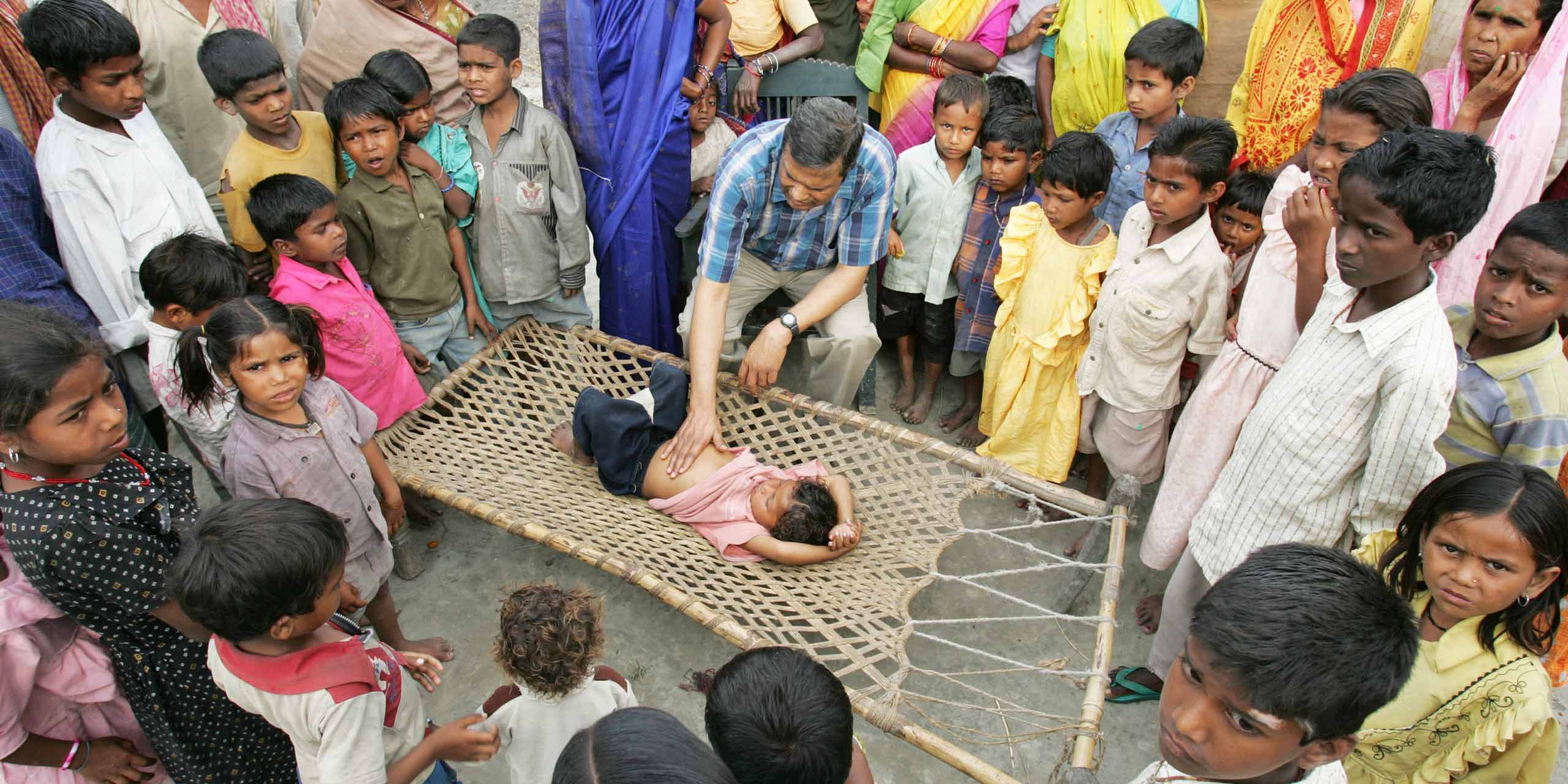
Ruhar state is one of the poorest states in India.
And a disease which existed in Ruhar now for hundreds of years is surging forward in another epidemic.

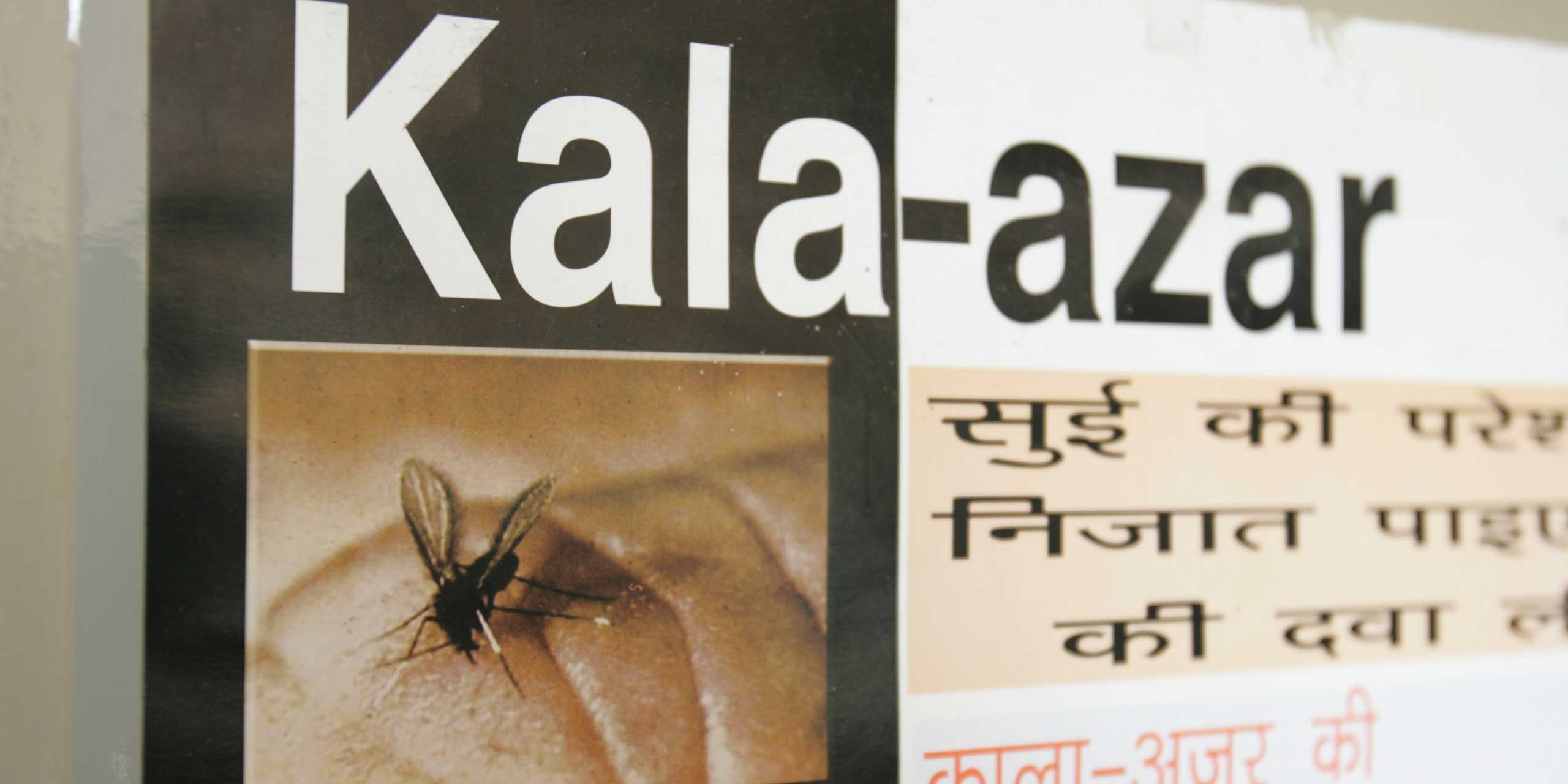
It's name is Kala-azar or black fever. People in this state who have tremendous poverty to begin with, and inadequate nutrition then have a fatal disease which is spread by the smallest of insects.

It is a disease that , it wipes out your bone marrow.
You don't make white cells, don't make red cells, don't make platelets.

You die a horrible death. Some people compare it to HIV.

The only therapy that existed is very toxic and often ineffective and costs hundreds of dollars.
These families are left with a choice of borrowing money, to go into debt for three generations, or allowing that family member to die.

I have been in communities and asked mothers and fathers, "What diseases are you afraid of?
Particularly for your children. Is it malaria? Is it diarrhea?

The answer is no.

They universally say, Kala-azar.
What I realized was that there was an antibiotic named Paromomycin, that would cure Kala-azar. The problem was that the pharmaceutical company had long ago stopped making the drug, because of low sales.

And, so, I decided that we should try to bring Paromomycin back to life and I knew that if we could succeed, it would be an ideal business model for a non-profit pharmaceutical company.


Matching orphan diseases with orphan drugs, drugs that already exist.
But that no one is developing or producing. What's beautiful about Paramomycin is it cures almost everyone, who receives it. It is extremely safe, we've know that for 50 years.

And it is It's very inexpensive. It is cheap. It is one tenth the cost of any other medicine available for Kala-azar.

In fact it's so cheap that if we could prove that it worked, the Indian government was willing to distribute it for free.

So the World Health Organization, WHO, and One World Health went together to Bihar state, to the capital Patna, and to the biggest hospital in Patna.


The trial that we performed at this hospital was exciting and a little bit scary for all of us.

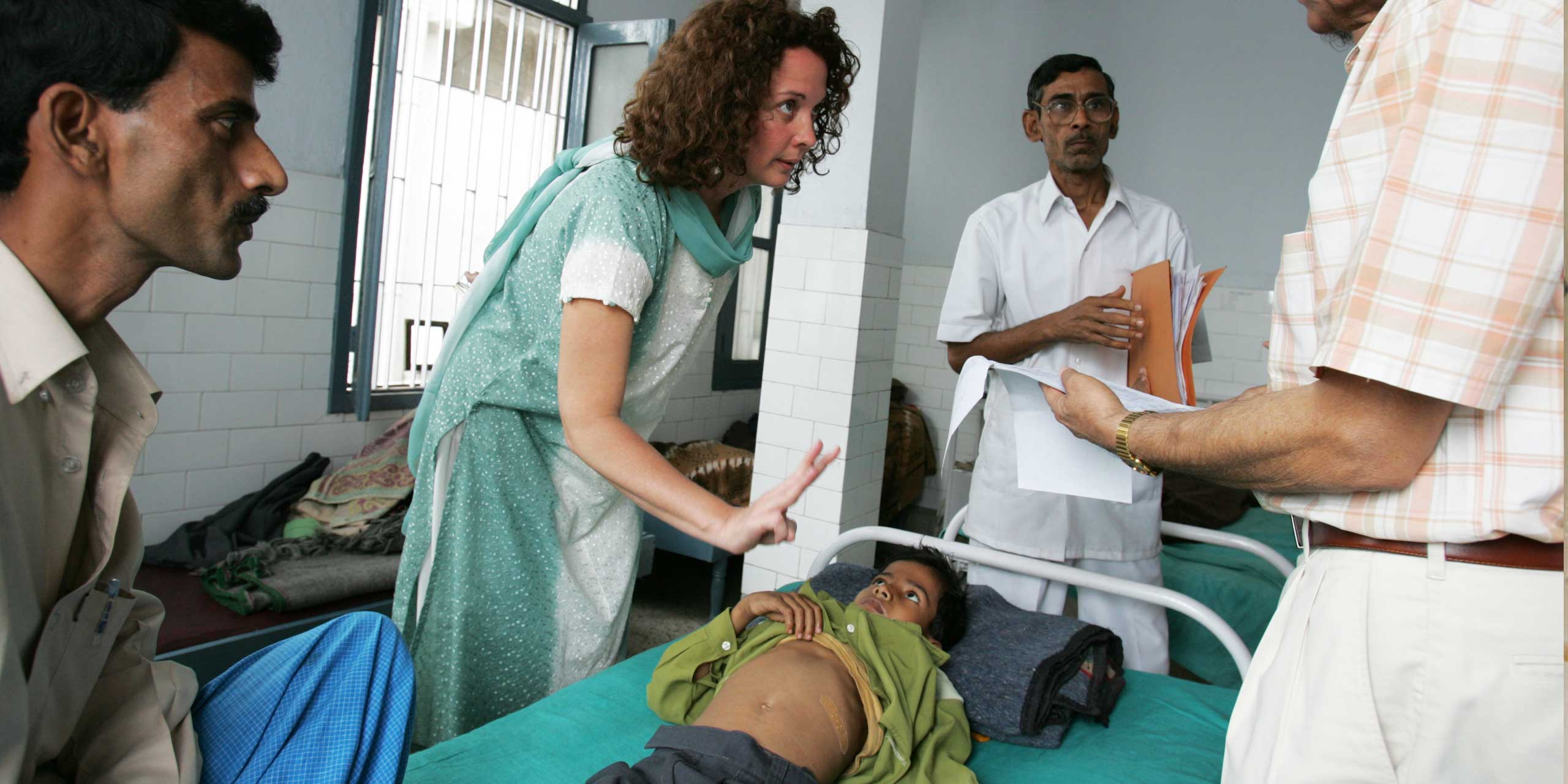
I watched patients and saw their excitement and at the same time their uncertainty , as to whether is investigational drug would be effective and would cure them of this disease.

And the patients who received our drug were sitting up in conversation. Awake, aware , hungry, which is rare in this disease. Appetite coming back, asking for more and more food, gaining their strength.

I was elated.
It was is a tremendous high. We had one chance to get it right . One chance with the government of India to show that we could figure out how to make a new drug for a disease the whole world had forgotten.

And this was going to be that drug.

Paromomycin is my child.
I've been giving birth to Paromomycin now for four years. And the labor is almost over. We expect to have Paromomycin approved by the government of India this year.

Now our goal is to match other orphan drugs with the many other orphan diseases that afflict hundreds of millions of people around the world.

We can't do this by ourselves.
We need partners, we need pharmaceutical companies, we need governments and we need people to distribute the product that we make. We need physicians who know how to treat patients.

There are lot of us who have to come together, but sometimes the first spark is the hope of a new medicine
 

© 2013 Skoll Foundation.