


Levers to Unlock New Capital
What internal and external levers can social enterprises activate to finance impact at scale? Root Capital on the challenges of blending colors of money inside an organization: Willy Foote, the…


Root Capital is a non-profit social investment fund that grows rural prosperity in poor, environmentally vulnerable places in Africa and Latin America by lending capital, delivering financial training, and strengthening market connections for small and growing agricultural businesses.
Across the developing world, the rural poor are excluded from the formal economy. Most of these people depend on agriculture as their primary source of income. Without access to capital and viable markets for their crops, millions of small-scale farmers are trapped in a cycle of poverty.
Root Capital clients are associations and private businesses that help create sustainable livelihoods by aggregating the products of hundreds or, in many cases, thousands of farmers. As of June 2015, Root had deployed more than $850 million in credit via 1,800+ loans to 1.2 million producers in Latin America, sub-Saharan Africa and Asia, sustainably managing 1.5 million hectares of land.
Root Capital’s lending is directed towards businesses that are too big for microfinance, but generally unable to secure credit from conventional commercial banks – “the missing middle” of developing-world finance.
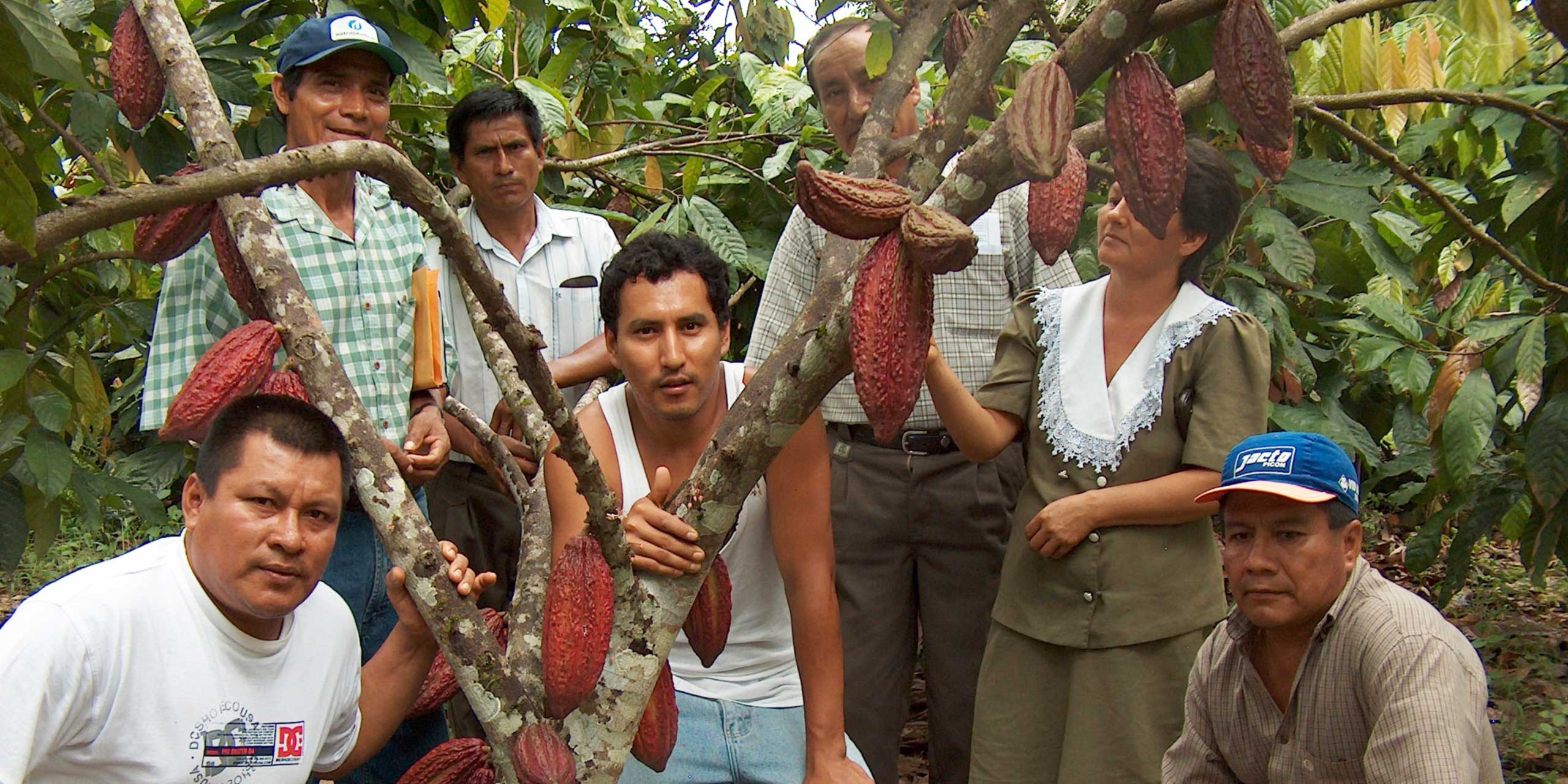
Access to capital and markets for sustainable products is the key to combat slash-and-burn farming, converting forests to pasture, and overharvesting wildlife.
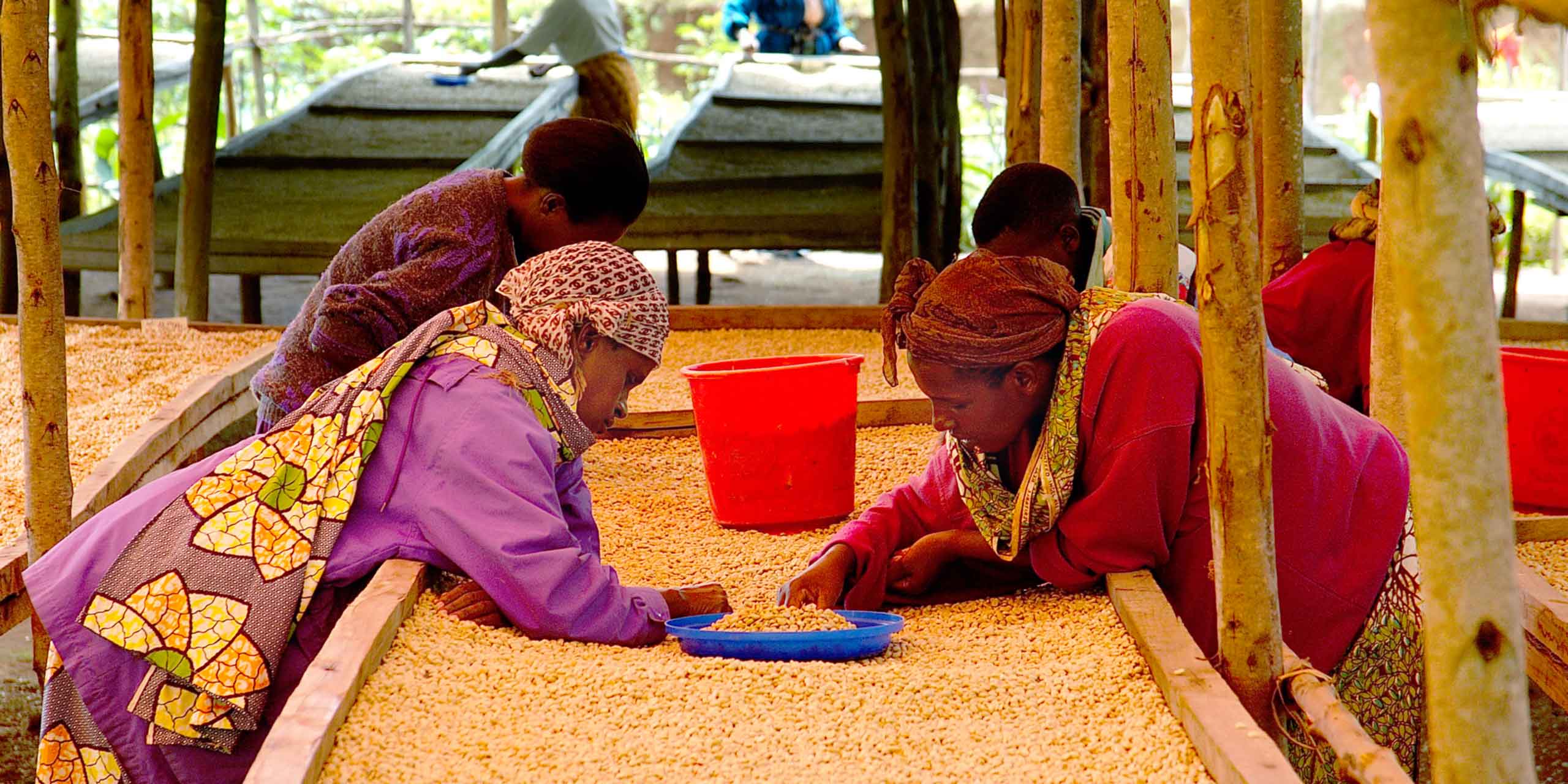
Root Capital identifies producers ready to build environmentally sustainable enterprises improving the lives of smallholder farmers.
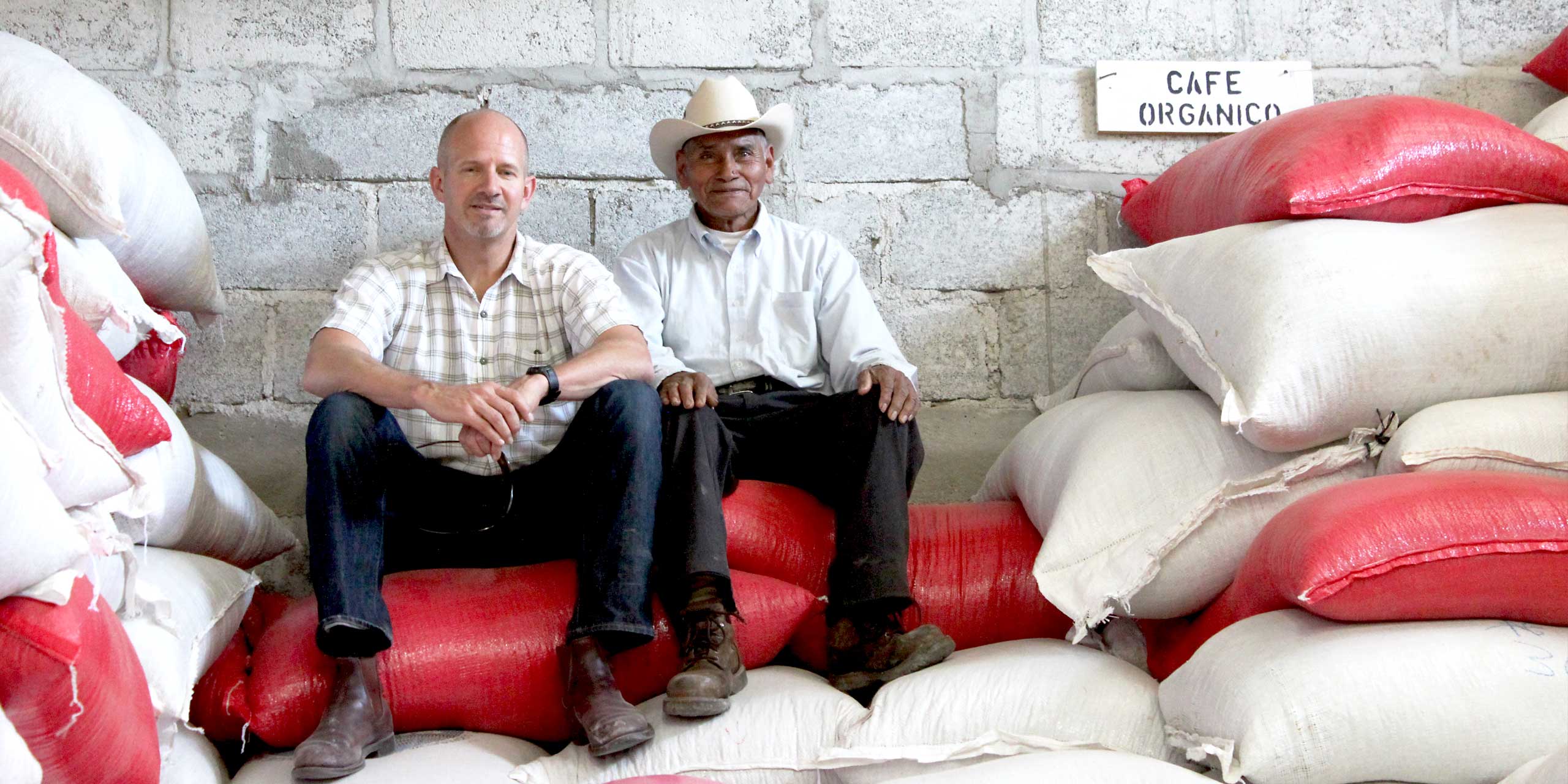
Root Capital opened the door to investments by large commercial and public actors in smallholder enterprises producing sustainable products.
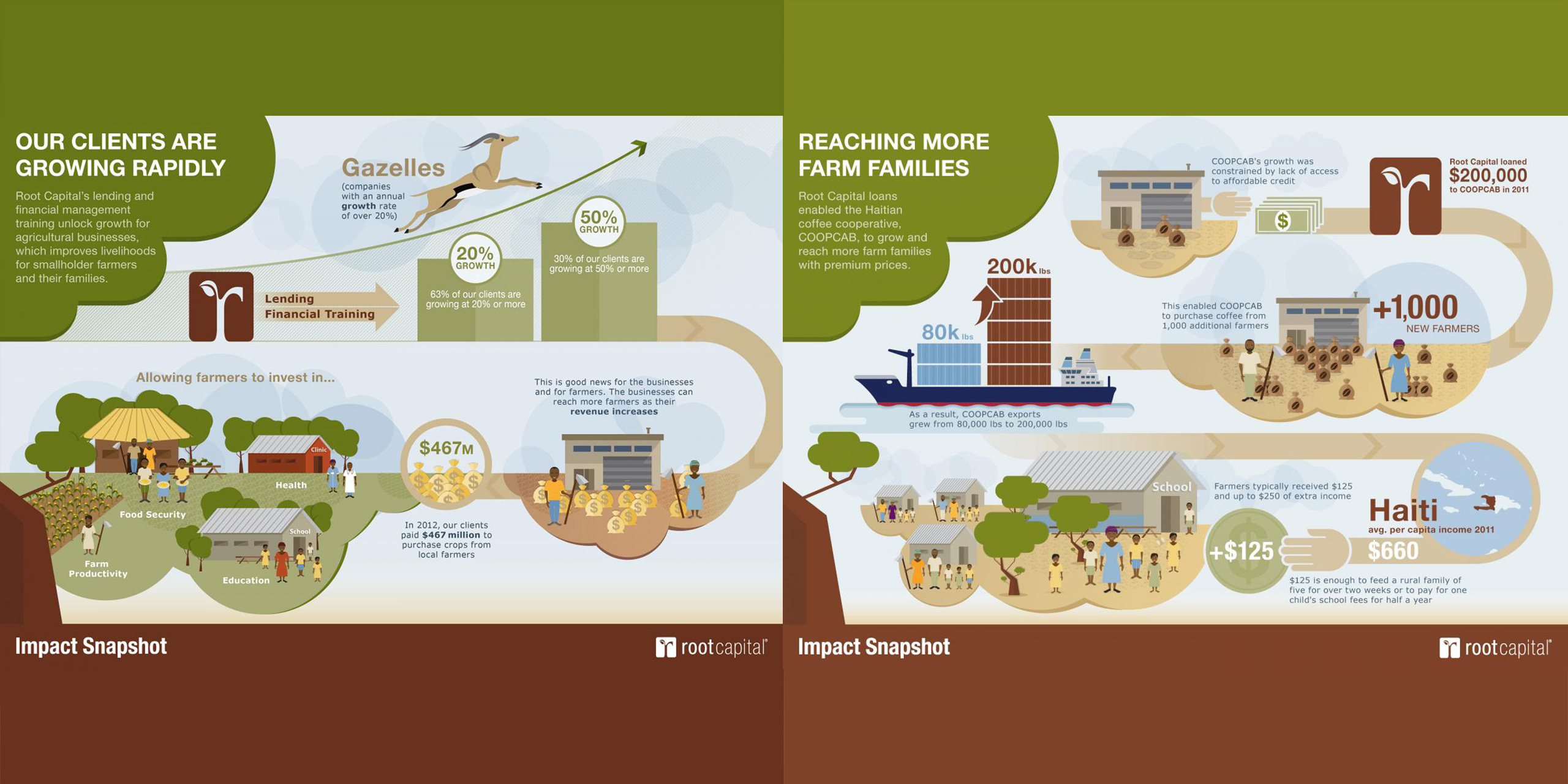
More than 400,000 farmers have benefited, and a movement to invest in smallholder farmers worldwide is growing.
Tens of millions of smallholder farmers gain access to markets that pay fair prices for sustainably produced goods, improving their economic livelihood, food security, gender equity, and environmental stewardship.
Demonstration and attraction of other investors to the sector
Increase the number of farmers served, either through direct lending or through off balance sheet partnerships. Document outcomes including impact and repayment rates in order to encourage other capital investors to replicate the model globally.

Founder and CEO, Root Capital
William “Willy” Foote was an investment banker during the Latin American growth years of the early 1990s. After the 1994 peso devaluation in Mexico, he spent two years in the country’s rural areas as a journalist, studying and writing about the financial crisis and its effects on people and the environment. He realized that farmers could adopt sustainable practices only if they had resources to sustain themselves during transition periods and could acquire skills, equipment and market knowledge to launch, run, and grow viable enterprises. They needed more than microcredit, but were still too small to be bankable by commercial lenders. This realization inspired him to develop a lending model to meet those needs, a model that became Root Capital. Willy is also an Ashoka Global Fellow, a 2008 Young Global Leader of the World Economic Forum, one of Forbes’ “Impact 30” in 2011, and part of the 2012 Henry Crown Fellowship Class of the Aspen Institute. Willy earned his M.S. in development economics from the London School of Economics and a B.A. from Yale University.




What internal and external levers can social enterprises activate to finance impact at scale? Root Capital on the challenges of blending colors of money inside an organization: Willy Foote, the…